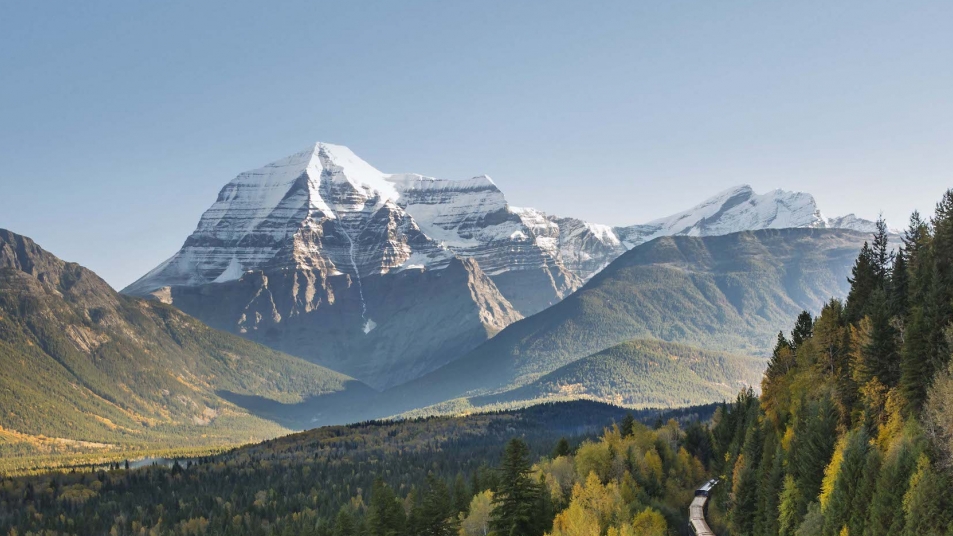
The Rocky Mountains: A Majestic Mountain Range

marydilip.info – The Rocky Mountains, a majestic mountain range that stretches across Western Canada, are a breathtaking tapestry of soaring peaks, pristine glaciers, and diverse wildlife. This iconic range has captivated explorers, adventurers, and nature enthusiasts for centuries, offering unparalleled beauty and recreational opportunities.

A Geological Marvel

The Rocky Mountains were formed millions of years ago through a process of tectonic plate movement. As the Earth’s crust shifted and collided, the mountains were thrust upward, creating a dramatic landscape of towering peaks and deep valleys. The range is characterized by its rugged terrain, including sharp peaks, steep cliffs, and expansive alpine meadows.

A Diverse Ecosystem

The Rocky Mountains are home to a diverse range of ecosystems, from lush forests to alpine tundra. The lower elevations are dominated by coniferous forests, while the higher elevations are characterized by alpine meadows and barren rock. This diverse ecosystem supports a wide variety of wildlife, including grizzly bears, black bears, elk, deer, mountain goats, and bighorn sheep. The mountains are also home to numerous bird species, such as eagles, hawks, and owls.

A Playground for Adventurers

The Rocky Mountains offer a plethora of outdoor recreational opportunities for adventurers of all levels. Hiking, backpacking, and camping are popular activities, with trails ranging from easy day hikes to challenging multi-day treks. The mountains are also a world-class destination for rock climbing, mountaineering, and ice climbing. In winter, the mountains transform into a winter wonderland, perfect for skiing, snowboarding, and snowshoeing.

A Cultural Tapestry

The Rocky Mountains have played a significant role in the cultural and historical development of Canada. Indigenous peoples have inhabited the region for thousands of years, and their rich cultural heritage is still evident today. European explorers and settlers were drawn to the mountains’ natural resources, and the region has become a symbol of Canadian identity.

Preserving the Mountains

Recognizing the importance of preserving the Rocky Mountains, numerous national and provincial parks have been established to protect the region’s natural beauty and biodiversity. These parks offer visitors the opportunity to experience the mountains in their pristine state and contribute to their conservation. By promoting responsible tourism and sustainable practices, we can ensure that the Rocky Mountains will continue to inspire and awe future generations.
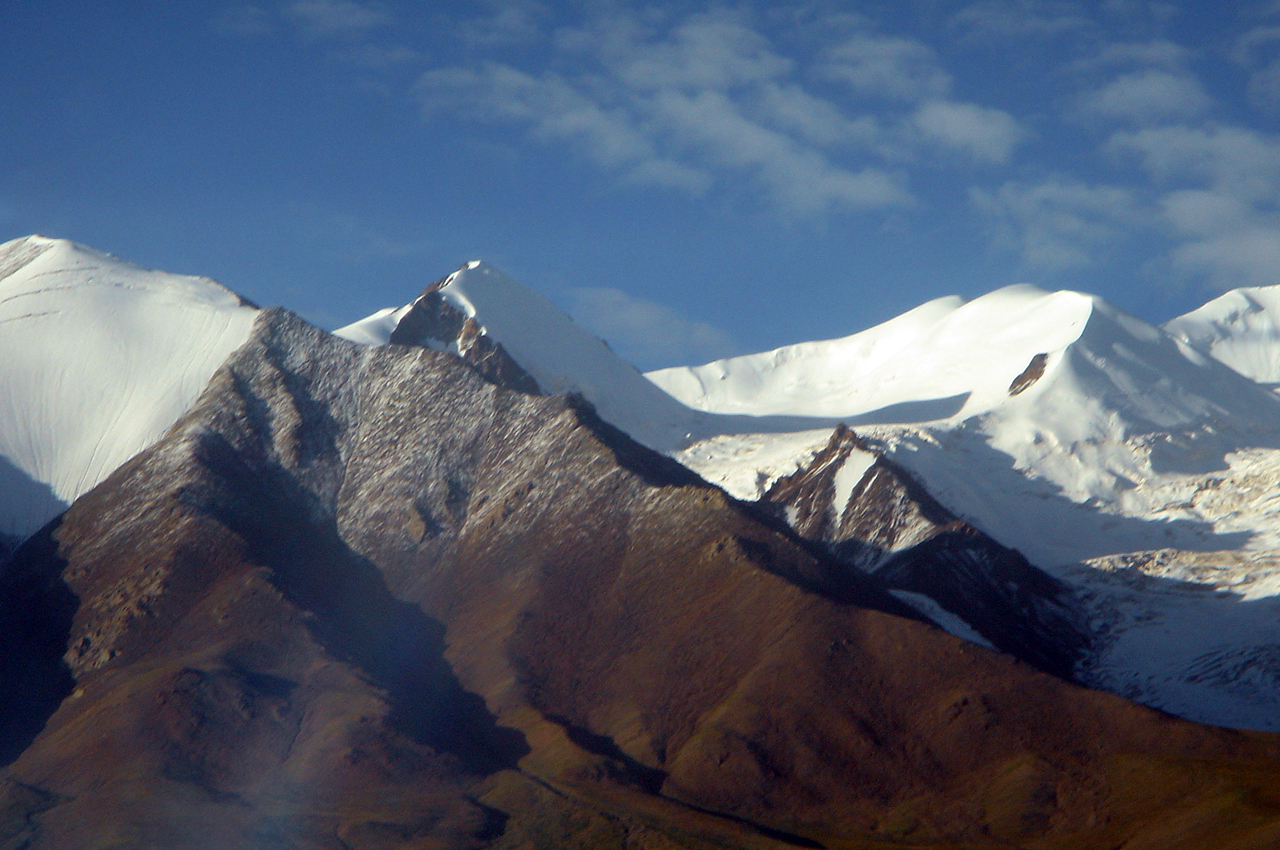
Exploring the Majestic Tanggula Mountains (唐古拉山)

marydilip.info – The Tanggula Mountains, known as 唐古拉山 in Chinese, are a stunning mountain range that forms part of the Tibetan Plateau. They are renowned for their breathtaking landscapes, unique geographical features, and cultural significance. Straddling the border between the Tibet Autonomous Region and Qinghai Province in China, this mountain range is both a natural wonder and a vital geographical marker.

Geographical Significance

The Tanggula Mountains stretch over 600 kilometers, with an average elevation exceeding 5,000 meters. They are one of the highest mountain ranges in the world, and their peaks are often snow-capped year-round. The Tanggula Pass, located within these mountains, is one of the highest railway passes in the world, traversed by the Qinghai-Tibet Railway, which connects China to the remote regions of Tibet.

Climate and Ecology

The climate in the Tanggula Mountains is harsh and cold, with long winters and short summers. Despite these challenging conditions, the region supports a unique ecosystem. The mountains are home to a variety of wildlife, including the Tibetan antelope, wild yaks, and snow leopards. The fragile alpine vegetation, consisting mainly of grasslands and shrubs, plays a crucial role in preventing soil erosion and maintaining the ecological balance.

Cultural and Historical Importance

The Tanggula Mountains hold significant cultural and spiritual value. They are considered sacred by local Tibetan communities, who believe that the mountains are the abode of deities. The Tanggula range also marks the boundary between the traditional Tibetan regions of Amdo and Kham. Historically, these mountains have been a natural barrier and a strategic location, influencing trade and cultural exchanges between Tibet and its neighboring regions.

Modern Infrastructure and Challenges

In recent years, the Tanggula Mountains have gained attention due to the construction of the Qinghai-Tibet Railway, which has made the remote areas more accessible. This engineering marvel has brought economic opportunities and increased tourism to the region. However, the construction and increased human activity pose challenges to the delicate ecosystem. Efforts are being made to balance development with environmental conservation.

Conclusion

The Tanggula Mountains are a remarkable blend of natural beauty, cultural heritage, and modern engineering. They continue to captivate explorers, scientists, and travelers with their majestic peaks and profound significance. As we admire these mountains, it is crucial to respect and preserve their unique environment for future generations to experience and appreciate.