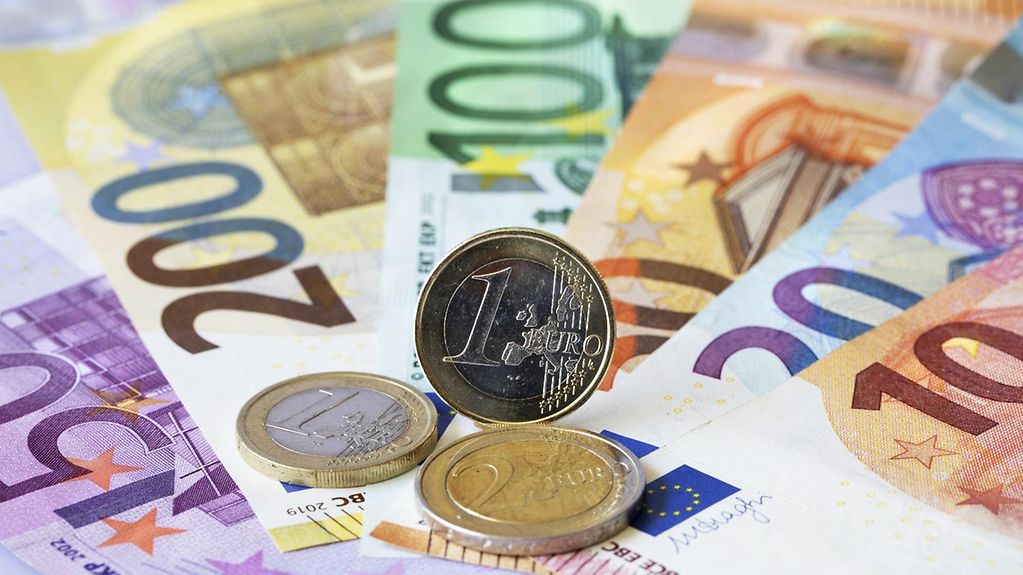
Euro (EUR): Mata Uang Resmi Zona Euro dan Pengaruhnya di Eropa

marydilip.infoEuro (EUR) adalah mata uang resmi yang digunakan oleh negara-negara anggota zona euro. Sejak diperkenalkan pada tahun 1999, Euro telah menjadi salah satu mata uang yang paling berpengaruh di dunia. Mata uang ini tidak hanya memengaruhi ekonomi negara-negara Eropa tetapi juga memiliki dampak yang signifikan pada perdagangan global, kebijakan ekonomi, dan hubungan internasional. Dalam artikel ini, kita akan membahas lebih dalam tentang Euro, fungsinya sebagai mata uang zona euro, serta pengaruhnya di Eropa dan dunia.

Sejarah dan Pembentukan Euro

Euro diperkenalkan sebagai bagian dari upaya integrasi ekonomi dan politik di Eropa. Sebelumnya, negara-negara Eropa menggunakan berbagai mata uang yang berbeda, yang menciptakan tantangan dalam hal stabilitas ekonomi dan perdagangan internasional. Kesepakatan untuk memperkenalkan mata uang tunggal ini dimulai dengan Penandatanganan Perjanjian Maastricht pada tahun 1992, yang mengatur penciptaan zona ekonomi dan moneter di Eropa.

Pada 1 Januari 1999, Euro mulai digunakan sebagai mata uang elektronik untuk transaksi non-tunai di 11 negara anggota Uni Eropa (UE), dan pada 1 Januari 2002, Euro mulai beredar sebagai uang tunai, menggantikan mata uang nasional seperti Deutsche Mark, Franc Prancis, dan lira Italia.

Negara-Negara yang Menggunakan Euro

Saat ini, 20 dari 27 negara anggota Uni Eropa menggunakan Euro sebagai mata uang resmi mereka. Negara-negara ini membentuk apa yang dikenal sebagai zona euro. Beberapa negara besar yang menggunakan Euro termasuk Jerman, Prancis, Italia, dan Spanyol. Negara-negara non-UE juga menggunakan Euro sebagai mata uang resmi atau diakui, seperti Kosovo dan Montenegro.

Namun, tidak semua negara di Uni Eropa menggunakan Euro. Negara seperti Inggris (sebelum Brexit) dan Swedia memilih untuk tidak bergabung dengan zona euro, meskipun mereka adalah bagian dari pasar tunggal Uni Eropa.

Fungsi dan Keuntungan Penggunaan Euro

Stabilitas Ekonomi

Salah satu tujuan utama dari pengenalan Euro adalah menciptakan stabilitas ekonomi di kawasan Eropa. Dengan menggunakan mata uang yang sama, negara-negara anggota zona euro dapat menghindari fluktuasi nilai tukar yang dapat merugikan perdagangan antar negara. Ini juga membantu dalam menjaga inflasi yang terkendali dan meningkatkan daya tarik kawasan Eropa sebagai destinasi investasi.

Kemudahan Perdagangan Antar Negara

Euro mempermudah perdagangan antar negara-negara anggota zona euro, karena menghilangkan kebutuhan akan konversi mata uang dan mengurangi biaya transaksi. Ini membuat Eropa menjadi kawasan yang lebih terintegrasi secara ekonomi, memungkinkan perusahaan untuk melakukan perdagangan tanpa harus mengkhawatirkan fluktuasi mata uang atau biaya tambahan.

Pengaruh dalam Kebijakan Moneter

Bersama dengan Bank Sentral Eropa (ECB), Euro memainkan peran penting dalam kebijakan moneter kawasan. ECB bertanggung jawab untuk menetapkan suku bunga dan kebijakan moneter yang mempengaruhi inflasi dan pertumbuhan ekonomi di seluruh zona euro. Keputusan-keputusan ini memiliki dampak langsung pada kehidupan sehari-hari warga negara-negara anggota.

Pengaruh Euro di Eropa

Peningkatan Integrasi Ekonomi

Salah satu dampak terbesar dari pengenalan Euro adalah peningkatan integrasi ekonomi di Eropa. Dengan adanya mata uang yang sama, negara-negara Eropa dapat lebih mudah bekerja sama dalam hal kebijakan fiskal dan moneter. Euro membantu memperkuat kerjasama ekonomi dan mendorong pertumbuhan di kawasan tersebut.

Dampak pada Pengangguran dan Pertumbuhan Ekonomi

Meskipun Euro membawa banyak keuntungan, pengaruhnya terhadap tingkat pengangguran dan pertumbuhan ekonomi tidak selalu positif di setiap negara. Beberapa negara, seperti Yunani dan Spanyol, telah menghadapi krisis ekonomi yang dipicu oleh kebijakan moneter yang diterapkan oleh Bank Sentral Eropa. Beberapa negara dengan ekonomi yang lebih lemah merasa terkekang oleh kebijakan yang berlaku untuk seluruh zona euro.

Krisis Utang Eropa

Salah satu tantangan terbesar yang dihadapi oleh kawasan Euro adalah krisis utang yang melanda beberapa negara anggota, seperti Yunani, Portugal, dan Irlandia. Krisis ini menciptakan ketegangan antara negara-negara yang lebih kuat secara ekonomi, seperti Jerman, dan negara-negara yang lebih lemah. Meskipun demikian, Euro dan kebijakan moneter yang diterapkan oleh ECB telah berperan penting dalam upaya pemulihan ekonomi di kawasan ini.

Euro dan Pengaruhnya di Dunia

Euro sebagai Mata Uang Cadangan Dunia

Selain menjadi mata uang resmi zona euro, Euro juga berperan sebagai mata uang cadangan dunia, setelah dolar AS. Euro digunakan dalam transaksi internasional, baik dalam perdagangan barang dan jasa maupun sebagai cadangan devisa oleh negara-negara di luar Eropa. Keberadaan Euro sebagai mata uang cadangan ini menunjukkan pengaruhnya yang besar dalam ekonomi global.

Pengaruh terhadap Pasar Keuangan Global

Euro juga mempengaruhi pasar keuangan global. Sebagai mata uang terbesar kedua di dunia setelah dolar AS, Euro sering digunakan dalam transaksi perdagangan internasional dan investasi. Fluktuasi nilai tukar Euro dapat mempengaruhi nilai mata uang lainnya dan juga dapat berdampak pada pasar saham dan obligasi internasional.

Hubungan dengan Negara Lain

Keberadaan Euro juga memengaruhi hubungan antara negara-negara zona euro dan negara-negara di luar kawasan Eropa. Dengan memperkenalkan mata uang tunggal, negara-negara Eropa telah meningkatkan kemampuan mereka untuk bernegosiasi dalam hal kebijakan ekonomi global. Selain itu, penggunaan Euro oleh negara-negara non-UE memperlihatkan pengaruhnya yang semakin besar di dunia.

Kesimpulan

Euro (EUR) telah berkembang menjadi mata uang yang sangat berpengaruh, baik di Eropa maupun di dunia. Sebagai mata uang resmi zona euro, Euro memainkan peran penting dalam ekonomi global, memfasilitasi perdagangan internasional, dan membantu menciptakan stabilitas ekonomi di Eropa. Meskipun ada tantangan dan krisis yang dihadapi negara-negara zona euro, pengaruh Euro terus terasa di pasar keuangan dan kebijakan moneter dunia. Ke depannya, Euro akan terus menjadi simbol integrasi Eropa dan kekuatan ekonomi global.


Kisah Inspiratif: Pasangan Colorado Temukan Kembali Buah Langka Setelah 20 Tahun Pencarian

marydilip – Setelah dua dekade penuh tantangan dan kegigihan, sepasang suami istri dari Colorado akhirnya berhasil menemukan kembali buah yang telah punah selama bertahun-tahun. Kisah mereka yang penuh semangat dan dedikasi ini menjadi inspirasi bagi banyak orang yang berjuang untuk melestarikan keanekaragaman hayati dan warisan pertanian.

Pasangan ini, John dan Mary Smith, memulai pencarian mereka pada tahun 2005 setelah membaca sebuah artikel tentang buah langka yang pernah tumbuh subur di daerah pegunungan Colorado. Buah tersebut, yang dikenal dengan nama “Colorado Mountain Peach”, pernah menjadi bagian integral dari kehidupan masyarakat lokal pada abad ke-19. Namun, karena berbagai faktor seperti perubahan iklim, penyakit tanaman, dan urbanisasi, buah ini perlahan menghilang dari muka bumi.

John dan Mary, yang memiliki latar belakang dalam bidang pertanian dan botani, merasa terpanggil untuk mengembalikan kejayaan buah tersebut. Mereka memulai perjalanan panjang dengan mengunjungi berbagai perpustakaan, arsip lokal, dan berbicara dengan penduduk tua yang masih mengingat keberadaan buah tersebut. Mereka juga melakukan perjalanan ke berbagai tempat di Colorado yang diyakini sebagai habitat asli dari buah tersebut.

Selama 20 tahun, pasangan ini menghadapi berbagai tantangan. Mereka harus berjuang melawan slot jepang cuaca ekstrem, medan yang sulit, dan beberapa kali hampir putus asa karena tidak menemukan hasil yang diharapkan. Namun, semangat mereka tidak pernah padam. Mereka terus mencari, belajar, dan beradaptasi dengan kondisi yang ada.

Akhirnya, pada musim semi tahun 2025, setelah bertahun-tahun pencarian, John dan Mary menemukan sebuah pohon tua di sebuah lembah terpencil di pegunungan Colorado yang masih menghasilkan buah tersebut. Mereka sangat gembira dan segera mengambil sampel untuk dianalisis lebih lanjut. Setelah dikonfirmasi oleh para ahli botani, buah tersebut memang adalah “Colorado Mountain Peach” yang telah lama hilang.

Penemuan ini tidak hanya menjadi kabar baik bagi John dan Mary, tetapi juga bagi komunitas lokal dan para pecinta buah di seluruh dunia. Keberhasilan mereka membuktikan bahwa dengan dedikasi dan kerja keras, keanekaragaman hayati yang hilang dapat ditemukan kembali. Pasangan ini berencana untuk bekerja sama dengan para ahli pertanian untuk mengembangbiakkan buah tersebut dan memperkenalkannya kembali ke masyarakat.

Kisah John dan Mary Smith adalah contoh nyata bagaimana semangat dan dedikasi dapat mengatasi berbagai rintangan. Pencarian mereka selama 20 tahun untuk menemukan kembali buah yang punah akhirnya membuahkan hasil, memberikan harapan baru bagi pelestarian keanekaragaman hayati dan warisan pertanian. Semoga kisah ini menginspirasi lebih banyak orang untuk berjuang demi kelestarian alam dan keberlanjutan masa depan.

The Medicine Wheel: Native American Healing Traditions

marydilip.info – The Medicine Wheel is one of the most important and revered symbols in Native American culture. It represents a holistic understanding of life and the interconnectedness of all things. The Medicine Wheel is not only a tool for spiritual and physical healing but also a profound symbol of balance, harmony, and unity. While its meaning and use can vary between different Indigenous cultures, its core principles are universal, focusing on the balance of the mind, body, spirit, and emotions.

This article explores the significance of the Medicine Wheel in Native American healing traditions, how it is used as a tool for personal and collective well-being, and the wisdom it offers for contemporary healing practices.

The Concept of the Medicine Wheel

The Medicine Wheel, often depicted as a circle divided into four sections, symbolizes the cyclical nature of life and the balance of various forces in the world. The circle itself represents wholeness, unity, and the interconnectedness of all living things. Each of the four quadrants within the wheel corresponds to a different aspect of life, often aligned with one of the four cardinal directions: North, South, East, and West. These directions are not only physical but also metaphorical, representing different stages of life, elements of nature, and aspects of personal development.

The Medicine Wheel is a sacred tool used to guide individuals toward a state of balance and healing. It emphasizes the importance of viewing life from multiple perspectives, encouraging a holistic approach to health and wellness. In many Native American traditions, the Medicine Wheel is used in ceremonies, rituals, and healing practices to restore harmony between the individual and the natural world.

The Four Directions: Symbols of Life’s Stages and Elements

The four quadrants of the Medicine Wheel are deeply symbolic, each representing a distinct aspect of existence. While interpretations may vary among different Native American tribes, the following is a commonly accepted representation:

1. East: The Dawn of Life and Spirituality

In the Medicine Wheel, the East represents new beginnings, the dawn of life, and the spiritual realm. It is associated with the rising sun, symbolizing renewal, growth, and enlightenment. The East is often linked with the spring season, a time of rebirth and fresh starts.

For individuals, the East represents the early stages of life—childhood and youth. It is a time of learning, curiosity, and spiritual awakening. The East encourages individuals to seek wisdom, to open their minds to new possibilities, and to develop a deeper understanding of themselves and the world around them.

2. South: The Nurturing of the Body and Emotions

The South is associated with the summer season, warmth, and abundance. It is a direction that symbolizes growth, vitality, and emotional well-being. The South is often linked to the nurturing of the body and emotional health, focusing on the importance of care and connection in relationships.

For individuals, the South represents adulthood—the years of strength, passion, and creativity. It is a time to cultivate relationships, care for oneself and others, and learn the importance of emotional balance. The South also emphasizes the need for compassion, love, and harmony in our connections with the world and others.

3. West: Reflection, Transformation, and Healing

The West is the direction of the setting sun, symbolizing reflection, transformation, and the autumn season. It is associated with the process of introspection, self-discovery, and the physical and emotional healing that comes from confronting one’s challenges and inner struggles. The West represents the waning years of life, a time of maturity, wisdom, and transformation.

In the Medicine Wheel, the West encourages individuals to confront their fears, acknowledge their pain, and undergo personal healing. It is a time for deep reflection, letting go of past wounds, and finding closure. The West teaches the importance of inner strength, resilience, and the wisdom gained through overcoming adversity.

4. North: Wisdom, Ancestors, and the Spiritual Realm

The North is often associated with winter, coldness, and stillness. It represents wisdom, introspection, and the connection to ancestors and the spiritual realm. The North is the direction of elderhood, the later years of life when individuals have gained knowledge, experience, and insight. It is also linked with the physical health of the body, the bones, and the immune system.

In this quadrant of the Medicine Wheel, individuals are called to embrace the wisdom of their elders, to honor their ancestors, and to seek guidance from the spiritual realm. The North represents the culmination of one’s journey through the other directions and offers an opportunity for spiritual growth, peace, and connection to the greater universe.

The Medicine Wheel in Healing Practices

The Medicine Wheel is more than just a symbolic representation; it is an active tool used in Native American healing practices. For many Indigenous communities, the Medicine Wheel is integral to understanding and addressing physical, emotional, mental, and spiritual health. It serves as a guide for individuals seeking to restore balance and harmony within themselves and in their relationships with others and the environment.

1. Physical Healing

The Medicine Wheel can be used in physical healing by addressing imbalances in the body. Each direction of the wheel corresponds to a different element, such as water, fire, earth, and air, which are believed to influence the body’s health. In some traditions, healing herbs, plants, and natural elements from the different directions of the Medicine Wheel are used in healing rituals or ceremonies.

2. Emotional and Mental Healing

The Medicine Wheel encourages emotional balance and mental clarity by helping individuals understand their emotions and thought patterns. By reflecting on the teachings of each direction, individuals can work through emotional pain, confusion, or stress. The wheel helps to identify where emotional imbalances may exist and guides individuals on the path toward healing, forgiveness, and peace.

3. Spiritual Healing

Spiritual healing is central to the Medicine Wheel, as it emphasizes the interconnectedness of all aspects of life—physical, emotional, mental, and spiritual. Spiritual healing through the Medicine Wheel involves reconnecting with the natural world, seeking guidance from the Creator, and restoring balance within the self. The Medicine Wheel is often used in ceremonies, such as sweat lodges or vision quests, to help individuals find clarity, strength, and guidance on their spiritual journeys.

4. Community Healing

The Medicine Wheel is not just an individual tool; it also plays a central role in community healing. Native American communities often come together to use the Medicine Wheel in collective healing practices, recognizing that the well-being of the individual is closely tied to the well-being of the group. Ceremonies, feasts, and communal gatherings are often centered around the Medicine Wheel, reinforcing the importance of community, unity, and collective healing.

The Medicine Wheel in Modern Times

While the Medicine Wheel has deep roots in traditional Native American healing practices, its principles continue to be relevant in today’s world. The holistic approach to health, which considers the balance of mind, body, spirit, and emotions, has gained recognition in many modern healing practices, including integrative medicine, wellness, and mindfulness.

Indigenous healers and elders continue to pass down the teachings of the Medicine Wheel to younger generations, ensuring its preservation and application in contemporary life. Many Native American communities also work to revive traditional healing practices, combining them with modern medicine to provide a more comprehensive approach to health and well-being.

Conclusion: The Enduring Wisdom of the Medicine Wheel

The Medicine Wheel offers a timeless and powerful framework for understanding health, healing, and the interconnectedness of all things. It encourages individuals to seek balance, recognize the cyclical nature of life, and embrace the wisdom of the past while navigating the challenges of the present. By honoring the teachings of the Medicine Wheel, we can cultivate harmony in our lives, our relationships, and our communities, while also respecting and nurturing the sacred connection between humanity and the natural world.

In a world that often focuses on division and disconnection, the Medicine Wheel reminds us of the importance of unity, balance, and wholeness. As we embrace the teachings of the Medicine Wheel, we can work toward a future where healing is not just an individual pursuit but a collective journey toward peace and well-being for all.

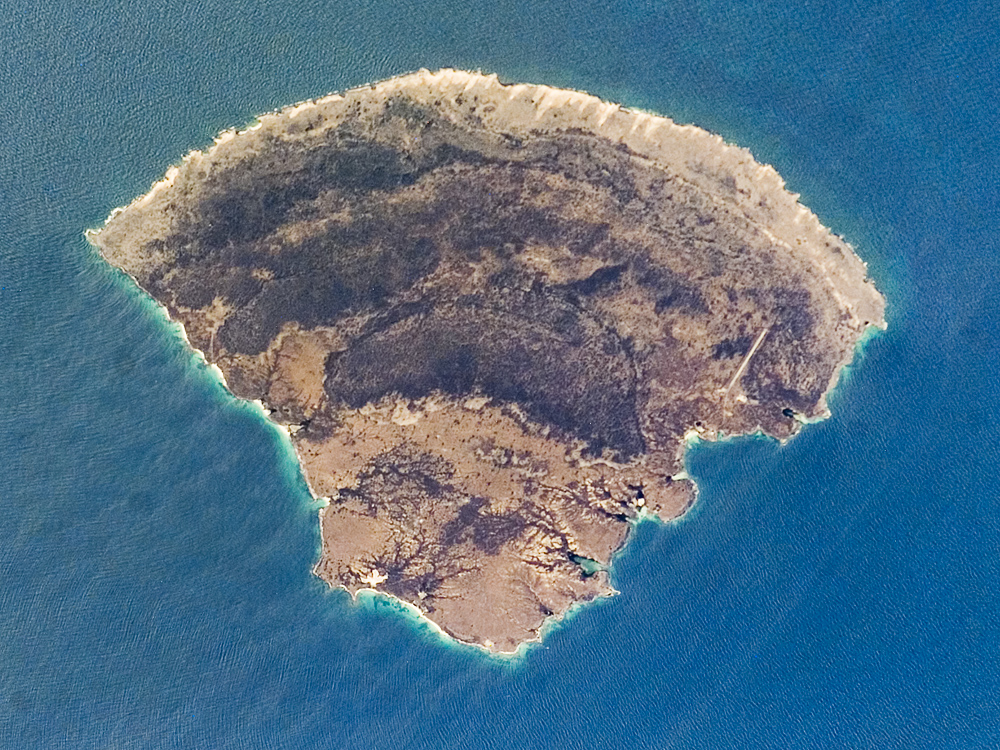
La Blanquilla: A Secluded Caribbean Paradise

marydilip.info – La Blanquilla, a small, uninhabited island in the Caribbean Sea, is a hidden gem off the coast of Venezuela. This remote island paradise is renowned for its pristine white sand beaches, crystal-clear waters, and abundant marine life, making it an ideal destination for those seeking a secluded and tranquil getaway.   

A Pristine Natural Beauty

La Blanquilla, or “White Island,” is named for its stunning white sand beaches that stretch along its coastline. These pristine beaches offer a serene setting for sunbathing, swimming, and simply relaxing. The island’s crystal-clear waters are perfect for snorkeling and diving, allowing visitors to explore vibrant coral reefs and encounter a diverse array of marine species.   

A Diver’s and Snorkeler’s Dream

The waters surrounding La Blanquilla are a haven for marine life, with a variety of fish, sea turtles, and other aquatic creatures. The island’s coral reefs are particularly impressive, offering a kaleidoscope of colors and intricate formations. Snorkelers can easily explore the shallow reefs, while divers can venture into deeper waters to discover hidden underwater caves and shipwrecks.

A Tranquil Retreat

La Blanquilla offers a unique opportunity to escape the hustle and bustle of modern life and immerse oneself in nature. With no permanent inhabitants, the island remains unspoiled and peaceful. Visitors can enjoy the tranquility of the island by hiking through its rugged terrain, birdwatching, or simply relaxing on the beach.   

A Sustainable Paradise

To preserve the pristine beauty of La Blanquilla, it is essential to practice responsible tourism. Visitors are encouraged to minimize their impact on the environment by avoiding littering, respecting wildlife, and conserving water. By following these guidelines, visitors can help ensure the long-term preservation of this natural paradise.

La Blanquilla is a truly special place, offering a unique blend of natural beauty, adventure, and tranquility. Whether you’re seeking a relaxing beach vacation, an exciting diving adventure, or simply a peaceful retreat, La Blanquilla is the perfect destination.

Cauca: A Tapestry of History and Nature – A Colonial Gem

Popayán: The White City

marydilip.info – Cauca, a department nestled in the heart of Colombia’s Andean highlands, is a region rich in history, culture, and natural beauty. Its capital city, Popayán, is a charming colonial town often referred to as the “White City” due to its pristine whitewashed buildings.   

A Colonial Gem

Popayán’s historic center is a masterpiece of colonial architecture, with its cobblestone streets, ornate churches, and beautiful plazas.

  • Plaza de Nariño: The central square, surrounded by historic buildings, including the Cathedral of Our Lady of Assumption and the Governor’s Palace.
  • Iglesia de San Francisco: A stunning church with a beautiful façade and intricate interior.
  • Museo Casa del Mortiño: This museum showcases the region’s history, culture, and art.

A Natural Paradise

Cauca’s diverse landscapes, ranging from snow-capped mountains to lush valleys, offer endless opportunities for outdoor adventure.

  • Parque Nacional Natural Puracé: A stunning national park with volcanoes, thermal springs, and diverse ecosystems.
  • Valle del Cauca: A fertile valley known for its coffee plantations and picturesque towns.
  • Rivers and Lakes: The department is home to numerous rivers and lakes, offering opportunities for fishing, boating, and water sports.

A Cultural Tapestry

Cauca’s rich cultural heritage is reflected in its music, dance, and traditional crafts.   

  • Festival de Música Religiosa: A renowned music festival featuring sacred music from around the world.
  • Indigenous Communities: The department is home to several indigenous communities, such as the Nasa, who preserve their traditional customs and beliefs.   
  • Local Cuisine: Savor the flavors of Cauca, with dishes featuring fresh local ingredients, such as trout, potatoes, and corn.

Zaporizhzhia Oblast: The Industrial Powerhouse of Ukraine

marydilip.info – Zaporizhzhia Oblast, located in the southeastern part of Ukraine, is a region renowned for its industrial might, rich history, and cultural diversity. Known as one of Ukraine’s key economic hubs, Zaporizhzhia Oblast plays a crucial role in the country’s development and prosperity. This article explores the defining features of Zaporizhzhia Oblast, focusing on its industrial landscape, historical significance, and cultural attractions.

Geography and Climate

Covering an area of approximately 27,200 square kilometers, Zaporizhzhia Oblast is characterized by its diverse landscapes, including steppe plains, river valleys, and the banks of the Dnieper River. The region enjoys a continental climate, with hot summers and mild winters, which supports both its industrial activities and agricultural production.

Historical Significance

Zaporizhzhia Oblast has a rich historical heritage, deeply connected to the legendary Cossacks, who established the Zaporizhian Sich on Khortytsia Island in the 16th century. This island, located in the Dnieper River, served as a fortress and center of the Cossack military and cultural life. The region’s history also includes periods of Russian and Soviet influence, shaping its industrial and cultural development.

Economy and Industry

As one of Ukraine’s most industrialized regions, Zaporizhzhia Oblast is a powerhouse of heavy industry and energy production. The region is home to the Zaporizhzhia Nuclear Power Plant, one of the largest in Europe, and the DniproHES hydroelectric station, which are key contributors to Ukraine’s energy sector. Metallurgy, machinery, and chemical industries thrive in the oblast, with major enterprises producing steel, aircraft engines, and various industrial equipment.

In addition to its industrial strength, Zaporizhzhia Oblast has a significant agricultural sector, with fertile lands supporting the cultivation of grains, sunflowers, and vegetables. Livestock farming and food processing also play important roles in the region’s economy.

Cultural Attractions and Tourism

Zaporizhzhia Oblast is rich in cultural and historical attractions, offering visitors a glimpse into its storied past and vibrant present. Khortytsia Island is a highlight for tourists, featuring the Zaporizhian Sich Historical and Cultural Complex, which celebrates the legacy of the Cossacks. The island’s natural beauty and historical significance make it a popular destination for both history enthusiasts and nature lovers.

The city of Zaporizhzhia, the administrative center, offers a variety of cultural experiences, including museums, theaters, and architectural landmarks. The Regional Museum of Local Lore and the Zaporizhzhia Art Museum are notable for their extensive collections and exhibitions.

Education and Infrastructure

Zaporizhzhia Oblast boasts a well-developed infrastructure, with an extensive transportation network that includes roads, railways, and an international airport, facilitating domestic and international trade. The region is home to several higher education institutions, including universities and technical colleges, which contribute to its skilled workforce and innovative capacity.

Conclusion

Zaporizhzhia Oblast is a dynamic and influential region that plays a pivotal role in Ukraine’s industrial and economic landscape. Its rich history, cultural diversity, and natural beauty make it a region of great significance and potential. Whether exploring its historical sites, experiencing its industrial prowess, or enjoying its cultural offerings, Zaporizhzhia Oblast provides a unique and enriching experience that reflects the spirit and progress of Ukraine.

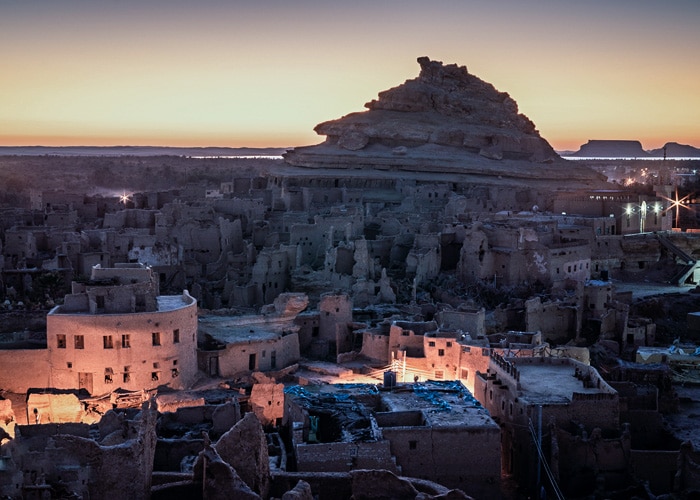
Egypt’s Oasis of Opportunity: Uncovering the New Valley

marydilip.info – The New Valley Governorate, also known as Al Wadi Al Jadid, is a vast and sparsely populated region in southwestern Egypt. Covering a significant portion of the country’s Western Desert, the New Valley is known for its oases, archaeological sites, and ambitious development projects. This article explores the historical significance, natural beauty, and economic potential of the New Valley.

Historical Significance of the New Valley

Ancient Settlements and Historical Sites

The New Valley is home to several ancient settlements and archaeological sites, reflecting its historical importance as a hub for trade and agriculture. Notable sites include the Dakhla and Kharga Oases, where remnants of Pharaonic temples, Roman forts, and early Christian monasteries can be found. These sites offer valuable insights into the lives of the people who inhabited this region over millennia.

The Role of Oases in History

The oases of the New Valley have historically served as vital stops for caravans and traders traversing the vast desert. These lush, fertile areas provided water and sustenance, making long-distance trade routes possible across North Africa. The historical significance of these oases continues to be a point of interest for archaeologists and historians.

Natural Beauty and Attractions

The Oases of the New Valley

The New Valley is characterized by its stunning oases, which are havens of greenery amidst the arid desert landscape. The Dakhla, Kharga, and Farafra Oases are known for their palm groves, hot springs, and unique geological formations. These natural wonders attract tourists seeking adventure and a connection with nature.

Unique Landscapes and Biodiversity

Beyond the oases, the New Valley boasts diverse landscapes, including sand dunes, rocky plateaus, and salt flats. The region is home to a variety of wildlife, including rare bird species and desert-adapted animals. Its unique biodiversity makes it an area of interest for ecological research and conservation efforts.

Economic Potential and Development

Agricultural and Renewable Energy Projects

The New Valley is part of Egypt’s ambitious plans to expand agricultural land and food production. The government has implemented projects to reclaim desert land for farming, utilizing modern irrigation techniques. Additionally, the region’s abundant sunshine and open spaces make it ideal for renewable energy projects, particularly solar power.

Infrastructure and Urban Development

Efforts are underway to improve infrastructure and promote urban development in the New Valley. These initiatives aim to attract investment, create job opportunities, and enhance the quality of life for residents. The development of new cities and transportation networks is part of a broader strategy to unlock the region’s economic potential.

Conclusion

The New Valley Governorate is a region of vast potential and historical richness. Its oases, archaeological sites, and development initiatives make it a unique part of Egypt’s landscape. As the New Valley continues to grow and evolve, it offers opportunities for sustainable development and cultural exploration, contributing to Egypt’s future while honoring its ancient past.

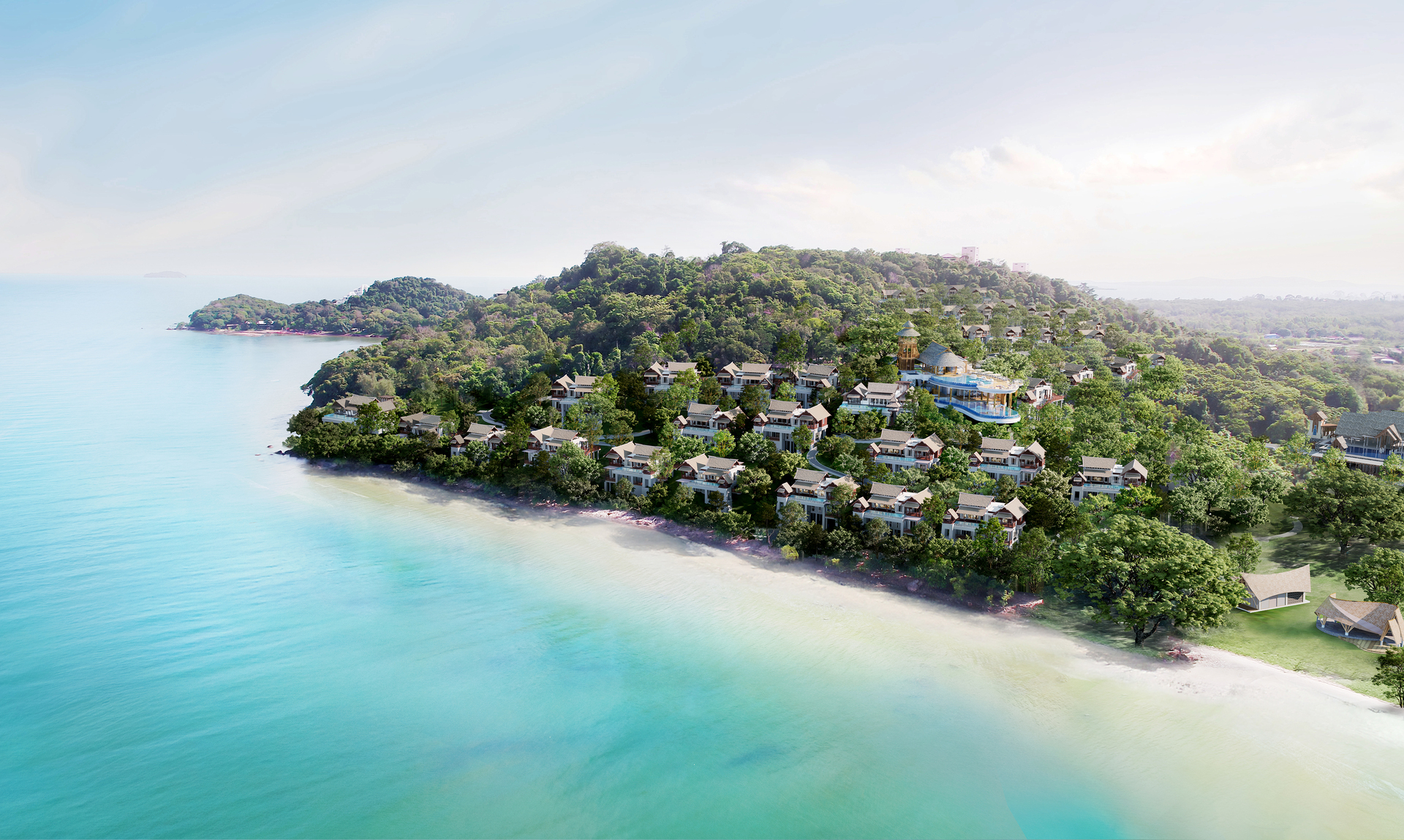
Unveiling Rayong: Thailand’s Coastal Retreat

marydilip.info – Rayong, a serene province located along Thailand’s eastern Gulf coast, is a hidden treasure that offers a perfect escape from the bustling tourist hubs. Known for its pristine beaches, delicious seafood, and tranquil atmosphere, Rayong provides a relaxing retreat for travelers seeking a more laid-back Thai experience.

Beaches and Islands of Rayong

Rayong boasts a picturesque coastline dotted with beautiful beaches that cater to different preferences. Mae Ramphueng Beach is popular for its long stretch of sandy shore and gentle waves, making it ideal for families and sunbathers. For those seeking a more secluded spot, Laem Mae Phim offers a peaceful environment with stunning sunsets. The province is also the gateway to the idyllic island of Koh Samet, known for its white sand beaches and clear waters, perfect for snorkeling and diving.

Cultural and Historical Significance

Rayong is rich in cultural heritage, with several temples and historical sites to explore. Wat Pa Pradu, with its unique reclining Buddha statue, and Wat Ban Don Shadow Play Museum, which showcases traditional Thai shadow puppetry, offer cultural insights into the region. The province’s history is also reflected in its annual festivals, such as the Rayong Fruit Festival, celebrating the area’s bountiful fruit harvests with colorful parades and local delicacies.

Culinary Delights and Local Produce

Rayong is renowned for its fresh seafood and diverse culinary offerings. The local markets and seaside restaurants serve an array of dishes, from spicy curries to grilled seafood, highlighting the region’s abundant marine resources. Rayong is also famous for its fruit orchards, particularly its sweet durians and mangosteens, which are a must-try for visitors.

Nature and Adventure

Beyond its beaches, Rayong offers opportunities for nature lovers and adventure seekers. Khao Chamao-Khao Wong National Park features lush forests, cascading waterfalls, and trails for hiking enthusiasts. The park is also home to diverse wildlife, providing a chance to explore Thailand’s natural beauty in a tranquil setting. Additionally, visitors can enjoy water activities such as kayaking and fishing in the province’s coastal waters.

Conclusion

Rayong, with its serene beaches, rich cultural experiences, and delicious cuisine, is a destination that offers a refreshing alternative to Thailand’s more crowded tourist locations. Whether you’re looking to relax by the sea, explore local traditions, or indulge in fresh seafood, Rayong promises a memorable and authentic Thai experience. As more travelers discover its charms, Rayong continues to grow as a sought-after coastal retreat.

The Northern Lights: A Norwegian Spectacle

marydilip.info – The Northern Lights, also known as the Aurora Borealis, are one of the most breathtaking natural phenomena on Earth. Norway, with its vast landscapes and pristine environments, offers some of the most spectacular views of this celestial wonder. Here, we’ll explore what makes the Northern Lights so special and why Norway is the perfect destination to witness them.

What Are the Northern Lights?

The Northern Lights are the result of collisions between gaseous particles in the Earth’s atmosphere with charged particles released from the sun’s atmosphere. These collisions cause bursts of light that can be seen in the high-latitude regions around the Arctic and Antarctic. The result is a mesmerizing display of green, pink, purple, and even red hues dancing across the sky.

Why Norway?

Norway is ideally located within the Arctic Circle, providing some of the best conditions for viewing the Northern Lights. The long winter nights and clear, dark skies make it an excellent destination for aurora seekers. The northern regions of Norway, such as Tromsø, Svalbard, and the Lofoten Islands, are particularly renowned for their stunning displays.

Best Time to See the Northern Lights in Norway

The optimal time to witness the Northern Lights in Norway is during the winter months, from late September to late March. During this period, the nights are longest and the skies darkest, providing the perfect backdrop for the vibrant lights. It’s essential to check the aurora forecasts and weather conditions, as clear skies are crucial for visibility.

Where to Go in Norway

Tromsø

Often referred to as the “Gateway to the Arctic,” Tromsø is one of the most popular destinations for Northern Lights enthusiasts. The city offers various tour options, including dog sledding and snowmobiling, which can enhance the aurora experience.

Svalbard

For those seeking a more remote and rugged experience, Svalbard offers an unparalleled view of the Northern Lights. The archipelago’s isolated location and lack of light pollution make it an ideal spot for viewing the auroras.

Lofoten Islands

The Lofoten Islands provide a dramatic backdrop for the Northern Lights, with their jagged peaks and serene fjords. Visitors can enjoy the spectacle while exploring the picturesque fishing villages and coastal landscapes.

Tips for Viewing the Northern Lights

  • Be Patient: The Northern Lights are unpredictable, so patience is key. Spend several nights in the area to increase your chances of witnessing the spectacle.
  • Dress Warmly: Winters in Norway can be extremely cold, so dress in layers and wear appropriate winter gear.
  • Capture the Moment: Bring a good camera and tripod to capture the beauty of the auroras. Use long exposure settings for the best results.

Conclusion

The Northern Lights are a captivating natural wonder that should be on every traveler’s bucket list. Norway, with its ideal location and breathtaking landscapes, provides the perfect setting for experiencing this magical spectacle. Whether you’re exploring the vibrant city of Tromsø, the remote wilderness of Svalbard, or the scenic Lofoten Islands, the Northern Lights promise an unforgettable adventure.

Kuil dan Kuil: Arsitektur Spiritual Jepang yang Menawan

marydilip – Jepang dikenal dengan kekayaan budaya dan tradisinya yang mendalam, dan salah satu aspek paling mencolok dari warisan ini adalah arsitektur kuil dan kuilnya. Kuil-kuil Jepang, yang sering disebut sebagai “jinja” (kuil Shinto) dan “tera” (kuil Buddha), tidak hanya merupakan tempat ibadah tetapi juga merupakan karya seni yang mencerminkan keindahan dan spiritualitas Jepang. Dalam artikel ini, kita akan menjelajahi berbagai elemen arsitektur kuil, makna simbolisnya, dan peran pentingnya dalam masyarakat Jepang.

Arsitektur kuil di Jepang memiliki akar sejarah yang dalam, yang berasal dari pengaruh dari negara-negara tetangga seperti Tiongkok dan Korea. Kuil-kuil pertama di Jepang dibangun sekitar abad ke-6 Masehi, seiring dengan penyebaran agama Buddha. Kuil-kuil ini, seperti Kuil Hōryū-ji, mencerminkan gaya arsitektur Tiongkok dengan atap melengkung dan struktur kayu yang megah.

Seiring waktu, arsitektur kuil Jepang berkembang menjadi bentuk yang unik, yang dikenal dengan gaya “Wafu.” Gaya ini menekankan keselarasan dengan alam, penggunaan bahan alami, dan proporsi yang harmonis. Kuil-kuil Shinto dan Buddha di Jepang menampilkan keindahan yang sederhana namun mendalam, yang menciptakan suasana spiritual yang menenangkan.

Elemen Utama Arsitektur Kuil

  1. Atap (Yane)
    Atap kuil Jepang sering kali melengkung dan terbuat dari bahan alami seperti kayu, jerami, atau ubin. Desain atap yang melengkung tidak hanya estetis, tetapi juga berfungsi untuk mengalirkan air hujan dan salju dengan baik. Atap kuil Shinto biasanya memiliki ujung yang menjulang tinggi, sementara atap kuil Buddha lebih datar.
  2. Pintu Masuk (Torii)
    Pintu masuk kuil Shinto yang dikenal sebagai “torii” adalah salah satu simbol paling dikenal dari agama Shinto. Torii sering kali terbuat dari kayu atau batu dan berfungsi sebagai tanda peralihan dari dunia sekuler ke dunia spiritual. Desain torii yang sederhana namun kuat mencerminkan keyakinan dalam kesucian tempat tersebut.
  3. Ruang Suci (Honden)
    Di dalam kuil, terdapat ruang suci yang disebut “honden.” Ini adalah tempat di mana dewa atau roh dihormati. Honden biasanya dibangun dengan desain yang sangat terawat, dengan dekorasi minimalis yang menekankan keindahan alam. Honden sering kali dikelilingi oleh taman atau elemen alam lainnya untuk menciptakan suasana yang tenang.
  4. Taman (Shakkei)
    Taman di sekitar kuil Jepang dirancang dengan cermat untuk menciptakan harmoni dengan lingkungan sekitar. Konsep “shakkei,” atau “mencuri pemandangan,” mengacu pada penggunaan lanskap di luar kuil untuk menambah keindahan dan kedalaman visual. Taman ini sering mencakup elemen air, batu, dan vegetasi yang dipilih dengan teliti.

Arsitektur kuil Jepang bukan hanya sekadar desain fisik; ia mencerminkan nilai-nilai spiritual dan filosofi yang mendasari budaya Jepang. Kuil-kuil ini menjadi tempat bagi praktik keagamaan, meditasi, dan perayaan tradisional. Pengunjung kuil sering kali merasa terhubung dengan alam dan spiritualitas saat berada di dalam atau di sekitar kuil.

Setiap elemen arsitektur, mulai dari pintu torii hingga ruang suci, memiliki makna simbolis yang dalam. Mereka mencerminkan rasa hormat terhadap alam, kepercayaan pada kekuatan spiritual, dan keinginan untuk mencapai harmoni antara manusia dan lingkungan. Ini menciptakan pengalaman yang unik bagi setiap orang yang mengunjungi kuil.

Kuil-Kuil Terkenal di Jepang

  1. Kuil Fushimi Inari Taisha
    Terletak di Kyoto, kuil ini terkenal dengan ribuan gerbang torii merah yang membentuk jalan setapak menuju puncak gunung. Kuil ini didedikasikan untuk dewa pertanian Inari dan merupakan salah satu kuil Shinto yang paling dihormati di Jepang.
  2. Kuil Kinkaku-ji (Paviliun Emas)
    Kuil ini terletak di Kyoto dan dikenal karena arsitekturnya yang megah dengan lapisan emas di atapnya. Kuil ini dikelilingi oleh taman yang indah dan kolam, menciptakan suasana yang damai dan menenangkan.
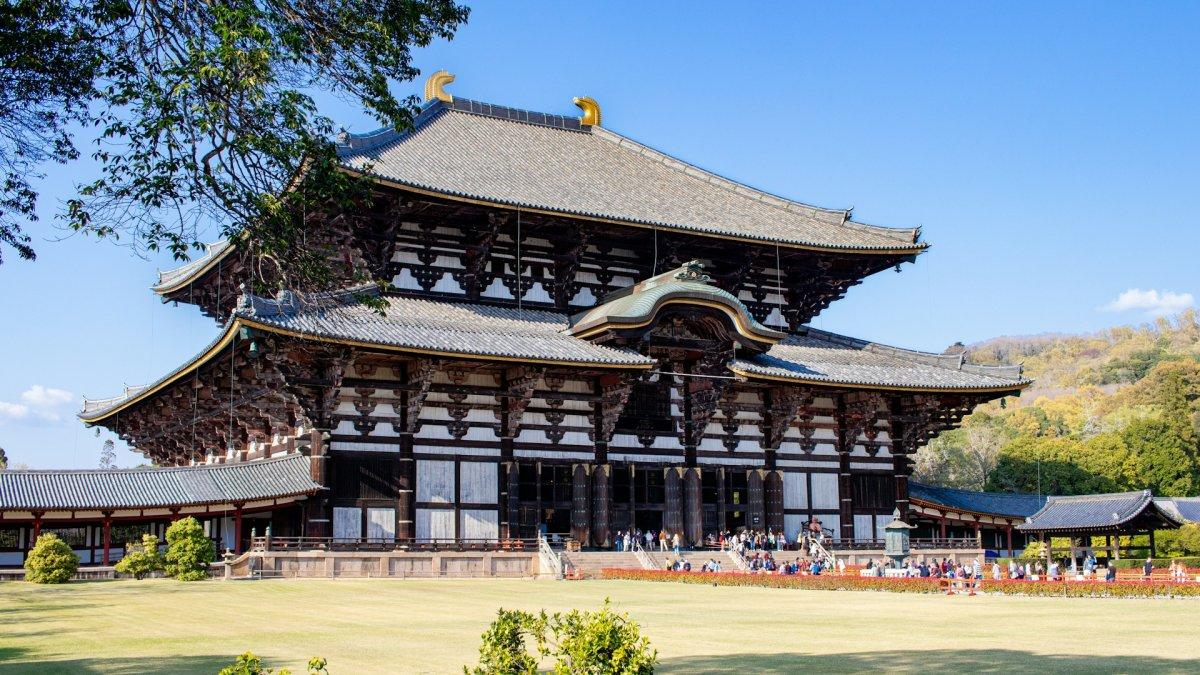
  3. Kuil Todai-ji
    Kuil ini terletak di Nara dan merupakan rumah bagi patung Buddha terbesar di situs slot server jepang. Arsitektur kuil ini mencerminkan kekuatan dan kebesaran agama Buddha, dengan struktur yang megah dan detail yang rumit.

Arsitektur kuil dan kuil di Jepang adalah cerminan dari warisan budaya yang kaya dan spiritualitas yang mendalam. Setiap elemen, dari desain hingga makna simbolis, menciptakan tempat yang tidak hanya berfungsi sebagai pusat ibadah, tetapi juga sebagai karya seni yang menawan. Kuil-kuil ini terus menjadi bagian integral dari kehidupan masyarakat Jepang, menarik pengunjung dari seluruh dunia yang ingin mengalami keindahan dan kedamaian yang ditawarkan oleh arsitektur spiritual ini.

Key Figures and Parties: Ukraine’s Political Landscape

marydilip.info – Ukraine’s political landscape is marked by a dynamic history and an evolving present. Since gaining independence in 1991, Ukraine has experienced significant political shifts, influenced by both internal developments and external pressures. This article explores the key figures and political parties that shape Ukraine’s political scene today.

Key Political Figures

Ukraine’s political arena is characterized by influential figures who have played pivotal roles in shaping the country’s direction. Among them, President Volodymyr Zelensky stands out as a central figure. Since taking office in 2019, Zelensky has been a symbol of political transformation, steering the country through challenging times, including the ongoing conflict with Russia. His leadership style, often characterized by direct communication and reform-oriented policies, has garnered both support and criticism.

Another notable figure is Petro Poroshenko, Zelensky’s predecessor, who remains an influential political presence. Poroshenko, a businessman and politician, served as President from 2014 to 2019, during which he focused on strengthening Ukraine’s ties with the West and implementing military reforms. Despite losing the presidency, he continues to exert influence through his political party, European Solidarity.

Major Political Parties

Ukraine’s political system is defined by a multi-party structure, with several parties playing significant roles. The Servant of the People party, founded by Volodymyr Zelensky, rose to prominence quickly, securing a majority in the 2019 parliamentary elections. Its platform focuses on anti-corruption, economic reforms, and decentralization, reflecting Zelensky’s campaign promises.

European Solidarity, led by Petro Poroshenko, is another major party. It promotes European integration, national security, and economic development. The party’s pro-European stance resonates with a segment of the Ukrainian electorate seeking closer ties with the European Union.

The Opposition Platform – For Life, a pro-Russian party, represents a contrasting political view. It advocates for improved relations with Russia and the protection of Russian-speaking Ukrainians’ rights. This party appeals to voters in Eastern Ukraine, where Russian influence is stronger.

Challenges and Opportunities

Ukraine’s political landscape is not without challenges. Corruption remains a persistent issue, undermining public trust in political institutions. The ongoing conflict with Russia and the annexation of Crimea pose significant security and territorial integrity challenges. Moreover, economic instability and social disparities add layers of complexity to the political environment.

However, Ukraine also has opportunities for growth and reform. The younger generation, increasingly active in politics, brings fresh perspectives and demands for transparency and accountability. The international community’s support, particularly from the European Union and the United States, provides avenues for economic assistance and political backing.

Conclusion

Ukraine’s political landscape is a tapestry of complex dynamics, shaped by historical legacies, key figures, and influential political parties. As the country navigates its path forward, balancing internal reforms with external challenges, the resilience and aspirations of its people continue to drive Ukraine toward a more stable and prosperous future.

The Natural Wonders of Albania

marydilip.info – Albania, a small country in the Balkans, is a treasure trove of natural beauty. From its stunning mountains and pristine beaches to its diverse ecosystems and ancient landscapes, Albania offers a rich tapestry of natural wonders waiting to be explored. Let’s dive into some of the most breathtaking natural attractions that this hidden gem has to offer.

The Albanian Alps: A Hiker’s Paradise

The Albanian Alps, also known as the Accursed Mountains, are a majestic range in the northern part of the country. These rugged peaks offer some of the most spectacular hiking opportunities in Europe. With trails that lead through lush forests, past idyllic villages, and up to panoramic viewpoints, the Alps are perfect for adventurers seeking both challenge and beauty. Valbona Valley and Theth National Park are highlights, offering dramatic landscapes and welcoming hospitality.

The Caves of Pellumbas: A Journey into the Earth

Located near Tirana, the capital city, the Caves of Pellumbas provide an intriguing underground exploration. Known as the Black Cave, this karst cave features impressive stalactites and stalagmites. Visitors can follow a scenic hike through the canyon to reach the cave, where they can enjoy both the natural beauty and the sense of adventure that comes with exploring these hidden depths.

Lake Ohrid: A UNESCO World Heritage Site

Straddling the border between Albania and North Macedonia, Lake Ohrid is one of Europe’s deepest and oldest lakes. It is renowned for its clear blue waters and rich biodiversity, including many endemic species. The lake’s shores are dotted with charming towns and historic sites, offering a perfect blend of natural and cultural experiences. Whether it’s swimming, boating, or simply relaxing by the water, Lake Ohrid is a serene getaway.

The Albanian Riviera: Sun, Sea, and Sand

Stretching along the Ionian Sea, the Albanian Riviera is famed for its stunning beaches and crystal-clear waters. With picturesque villages like Dhermi and Himara, this coastal region is perfect for those looking to unwind by the sea. The beaches are relatively uncrowded, offering a peaceful retreat with the backdrop of the dramatic Ceraunian Mountains. Enjoy sunbathing, water sports, or exploring hidden coves along this beautiful coastline.

Butrint National Park: Where History Meets Nature

Butrint National Park, a UNESCO World Heritage Site, is a unique blend of archaeological and natural wonders. Located in the south of Albania, the park is home to the ancient city of Butrint, with ruins dating back to Greek, Roman, Byzantine, and Venetian times. Surrounded by lush wetlands and diverse wildlife, visitors can explore the ruins amidst a stunning natural setting, making it a must-visit for history and nature enthusiasts alike.

Llogara National Park: Gateway to the Riviera

Situated at the confluence of the Adriatic and Ionian seas, Llogara National Park is a breathtaking area of dense forests and high mountain passes. The Llogara Pass offers stunning views over the Albanian Riviera and the sea beyond. The park is a haven for wildlife and offers various outdoor activities, including hiking and paragliding. It is an ideal starting point for exploring the stunning coastlines of the Riviera.

Conclusion

Albania’s natural wonders are as diverse as they are beautiful. From the towering peaks of the Albanian Alps to the tranquil waters of Lake Ohrid and the sun-kissed beaches of the Riviera, the country offers something for every nature lover. Whether you’re a seasoned adventurer or simply seeking a peaceful retreat, Albania’s landscapes promise unforgettable experiences and memories.

Progress and Challenges: Women’s Rights in Yemen

marydilip.info – In Yemen, the quest for women’s rights has been a long, arduous journey fraught with numerous challenges. The country, embroiled in a prolonged conflict, has witnessed a complex interplay of social, political, and economic factors that have significantly impacted the status of women. Despite these challenges, there have been efforts to advance gender equality and improve the situation for women in Yemen.

Historical Context

Yemen, as one of the poorest countries in the Arab region, has traditionally held conservative views regarding women’s roles in society. Historically, women have faced restrictions in various aspects of life, including education, employment, and political participation. Patriarchal norms and cultural practices have further compounded these challenges.

Progress Made

Despite the difficult circumstances, there have been some notable advancements in women’s rights in Yemen. Various international organizations, including UN Women and the United Nations Development Programme (UNDP), have been active in promoting gender equality and women’s empowerment. These efforts have focused on increasing women’s participation in decision-making processes and advocating for legal reforms to protect women’s rights.

Challenges Faced

The ongoing conflict in Yemen has exacerbated existing gender inequalities. Women and girls face heightened vulnerabilities due to displacement, poverty, and limited access to healthcare and education. The conflict has also led to an increase in gender-based violence and child marriages, further undermining women’s rights.

Socio-Economic Barriers

Economic instability has further restricted women’s opportunities for independence and empowerment. Many women have become the primary breadwinners for their families due to the loss of male family members in the conflict, yet they face significant barriers in accessing economic resources and opportunities.

Legal and Political Obstacles

Yemen’s legal framework still includes discriminatory laws that hinder women’s rights. Political instability and lack of representation in governance structures have made it challenging to implement necessary legal reforms. Efforts to include women in peacebuilding and political processes remain limited, highlighting the need for more inclusive policies.

Conclusion

The struggle for women’s rights in Yemen is ongoing and requires a concerted effort from both national and international communities. Addressing the root causes of gender inequality and promoting social change are essential for achieving sustainable progress. Despite the significant challenges, the resilience and determination of Yemeni women continue to inspire hope for a better future.

The Influence of French Culture on Lebanese Society

marydilip.info – The cultural landscape of Lebanon is a vibrant tapestry woven from various historical influences, with French culture playing a significant role. The French influence on Lebanese society dates back to the early 20th century and continues to manifest in various aspects of life, from language and education to cuisine and the arts. This article explores the depth and breadth of French cultural influence in Lebanon.

Historical Context: The French Mandate

The roots of French influence in Lebanon can be traced back to the aftermath of World War I, when the League of Nations granted France the mandate over Lebanon and Syria. This period, known as the French Mandate (1920-1943), laid the foundation for a lasting Franco-Lebanese connection. During this time, the French established modern infrastructure, reformed the educational system, and introduced French legal and administrative frameworks, which have left a lasting impact on Lebanese society.

Language and Education

One of the most evident influences of French culture in Lebanon is the widespread use of the French language. French is a prominent second language in Lebanon, used in education, business, and media. Many schools, especially private institutions, offer a French-based curriculum, and French is often taught alongside Arabic and English from an early age. This multilingual environment reflects Lebanon’s cosmopolitan identity and its connection to the Francophone world.

Culinary Influences

The French influence on Lebanese cuisine is subtle yet significant, adding a layer of sophistication to traditional dishes. French culinary techniques and ingredients have been integrated into Lebanese cooking, resulting in a fusion of flavors. French pastries, such as croissants and éclairs, are beloved staples in Lebanese patisseries, and fine dining restaurants often feature French-inspired menus. This culinary blending highlights the appreciation for French gastronomy within Lebanese society.

Arts and Fashion

French culture has also left its mark on the arts and fashion scenes in Lebanon. Beirut, often referred to as the “Paris of the Middle East,” is a hub for fashion designers who draw inspiration from French haute couture. The influence of French literature, cinema, and art is evident in Lebanon’s vibrant cultural scene, where French cultural institutions, such as the Institut Français, play a pivotal role in promoting cultural exchange and supporting local artists.

Lifestyle and Social Norms

French culture has influenced Lebanese lifestyle and social norms, particularly in urban centers like Beirut. The French penchant for café culture is mirrored in Lebanon’s bustling café scene, where people gather to socialize, work, and enjoy leisurely conversations. Additionally, French fashion trends and aesthetics are embraced by many Lebanese, reflecting a shared appreciation for style and elegance.

Challenges and Opportunities

While French influence is celebrated, it also presents challenges in terms of identity and cultural balance. Some view the emphasis on French culture as a colonial legacy that overshadows Lebanon’s Arab identity. However, many Lebanese see it as an opportunity for cultural enrichment and global connectivity. The ongoing dialogue between French and Lebanese cultures fosters mutual understanding and collaboration, contributing to Lebanon’s dynamic cultural mosaic.

The influence of French culture on Lebanese society is profound and multifaceted, shaping aspects of life from language and education to cuisine and the arts. This cultural interplay has enriched Lebanon, creating a unique blend of Eastern and Western traditions that continue to define the country’s identity. As Lebanon navigates its complex cultural landscape, the legacy of French influence remains a testament to the enduring bonds between the two nations.

The Role of Taiwan in Global Trade and Economy

marydilip.info – Taiwan, a dynamic island nation in East Asia, plays a significant role in the global trade and economic landscape. Known for its technological innovation and manufacturing prowess, Taiwan has become a critical player in the international market. This article explores Taiwan’s contributions to global trade and its influence on the world economy.

Technological Innovation and Manufacturing

Taiwan is a global leader in the production of semiconductors, which are essential components in modern electronics. The island manufactures approximately 90% of the world’s most advanced semiconductors, crucial for devices ranging from smartphones to automobiles2. Companies like Taiwan Semiconductor Manufacturing Company (TSMC) have positioned Taiwan at the forefront of the technology industry, making it an indispensable partner for tech giants worldwide.

Trade Relations and Economic Impact

Taiwan’s economy is heavily reliant on global trade, with exports accounting for a significant portion of its GDP6. The nation is a top trading partner for many countries, including the United States and China, and plays a vital role in global supply chains. Taiwan’s strategic location and trade networks make it a pivotal hub in the Asia-Pacific region, facilitating international commerce and economic collaboration.

Challenges and Opportunities

Despite its strengths, Taiwan faces challenges in maintaining its competitive edge in the global economy. Geopolitical tensions, particularly in relation to China, pose risks to Taiwan’s economic stability. However, Taiwan is actively seeking to diversify its trade partnerships and strengthen its economic resilience13. By investing in research and development, as well as pursuing new markets, Taiwan aims to continue its trajectory of economic growth and global influence.

Conclusion

Taiwan’s role in global trade and the economy is marked by its technological advancements and robust manufacturing sector. As a key player in international commerce, Taiwan contributes significantly to global supply chains and economic development. While challenges remain, Taiwan’s commitment to innovation and strategic partnerships ensures its continued importance on the world stage. Through these efforts, Taiwan not only bolsters its own economy but also enhances the interconnectedness of the global market.

The Art and Music of Pakistan

marydilip.info – Pakistan, a country rich in cultural heritage, boasts a vibrant tapestry of art and music that reflects its diverse history and traditions. From the intricate designs of traditional crafts to the soulful melodies of classical music, Pakistan’s artistic expressions offer a glimpse into its cultural soul. This article explores the multifaceted world of Pakistani art and music, celebrating the creativity and talent that define this nation’s cultural landscape.

Traditional Arts and Crafts

Pakistan’s traditional arts and crafts are renowned for their intricate beauty and craftsmanship. Each region of the country has its unique artistic expressions, influenced by local customs and historical traditions.

  1. Truck Art: One of the most iconic forms of Pakistani art is truck art. Known for its vibrant colors and elaborate designs, truck art transforms ordinary vehicles into moving canvases. This folk art form is celebrated both nationally and internationally for its creativity and cultural significance.
  2. Textile and Embroidery: Pakistan is famous for its exquisite textiles and embroidery. Regions like Sindh and Punjab are known for their intricate embroidery styles, such as Sindhi Ajrak and Punjabi Phulkari. These textiles not only embody artistic beauty but also carry cultural narratives passed down through generations.
  3. Ceramics and Pottery: The art of pottery in Pakistan dates back to the Indus Valley Civilization. Contemporary potters continue to create beautiful ceramic pieces, often incorporating traditional motifs and designs.

The Musical Heritage

Music in Pakistan is as diverse as its people, with influences ranging from ancient Sufi traditions to modern pop music. The country has produced many world-renowned musicians and singers who have contributed significantly to both local and global music scenes.

  1. Classical Music: Classical music in Pakistan is rooted in the rich traditions of South Asian classical forms such as Raag and Taal. Notable classical musicians like Ustad Nusrat Fateh Ali Khan have brought international acclaim to Pakistani music, particularly through Qawwali, a form of devotional music known for its powerful spiritual expression.
  2. Folk Music: Folk music varies across different regions, with each area having its distinctive style and instruments. Instruments like the dhol, tabla, and sitar are integral to Pakistani folk music. Celebrated folk singers like Abida Parveen and Reshma have kept these traditions alive with their enchanting performances.
  3. Contemporary and Pop Music: In recent years, Pakistan’s music scene has seen a surge in contemporary genres, with pop and rock gaining popularity among the youth. Platforms like Coke Studio have played a pivotal role in blending traditional and modern sounds, creating a unique fusion that resonates with audiences worldwide.

The Role of Art and Music in Society

Art and music in Pakistan are not merely forms of entertainment; they play a crucial role in social and cultural discourse. They serve as mediums for storytelling, preserving history, and fostering community identity.

  1. Cultural Preservation: Art and music are vital in preserving Pakistan’s rich cultural heritage. They help maintain the continuity of traditions and customs, passing them on to future generations.
  2. Social Commentary: Artists and musicians often use their work to comment on social and political issues, providing a voice to the marginalized and reflecting the realities of society.
  3. Community Building: Festivals and cultural events centered around art and music foster community spirit and bring people together, celebrating the diversity and unity of the nation.

Conclusion

The art and music of Pakistan are profound expressions of its cultural identity. They not only showcase the country’s rich heritage but also reflect its evolving contemporary landscape. By embracing and promoting these artistic traditions, Pakistan continues to inspire and captivate audiences both at home and across the globe. The vibrant colors and melodious tunes are testaments to the creative spirit and resilience of its people.

The Syrian Kurds: Identity and Autonomy

marydilip.info – The Syrian Kurds represent an important and distinct group within the complex tapestry of Syria’s population. With a rich cultural heritage and a long-standing desire for greater autonomy, the Kurds have played a significant role in the country’s recent history. Understanding their identity and aspirations is crucial for comprehending the broader dynamics of the Syrian conflict and the quest for regional stability.

Kurdish Identity in Syria

The Kurds are one of the largest ethnic minorities in Syria, primarily residing in the northern and northeastern parts of the country. Kurdish identity is deeply rooted in a rich cultural and linguistic heritage, with the Kurdish language, traditions, and customs playing a central role in community life. Despite sharing common cultural traits with Kurds in neighboring countries, Syrian Kurds have developed a unique identity shaped by their historical experiences in Syria.

Historical Context

The history of the Kurds in Syria is marked by periods of marginalization and political repression. Under various regimes, Kurds faced restrictions on cultural expression, language use, and political participation. Despite these challenges, Kurdish communities have maintained a strong sense of identity and solidarity, advocating for their rights and recognition within the broader Syrian society.

The Quest for Autonomy

The outbreak of the Syrian conflict in 2011 provided an opportunity for Syrian Kurds to pursue greater autonomy. The establishment of the Autonomous Administration of North and East Syria, also known as Rojava, marked a significant step towards self-governance. This region, predominantly Kurdish, has implemented a unique model of governance based on principles of democracy, gender equality, and multiculturalism.

Challenges and Achievements

The quest for autonomy has not been without challenges. Syrian Kurds have faced military threats from various actors, including ISIS and Turkish-backed forces. Despite these challenges, the Kurdish-led administration has made significant achievements in establishing local governance structures, providing essential services, and promoting social cohesion among diverse communities in the region.

The Role of International Actors

International actors have played a complex role in the Kurdish quest for autonomy. The Syrian Kurds have received support from some global powers, particularly in their fight against ISIS. However, geopolitical considerations and alliances have often complicated the support for Kurdish aspirations. Balancing Kurdish autonomy with regional stability remains a delicate task for the international community.

Future Prospects

The future of the Syrian Kurds and their quest for autonomy is closely tied to the broader resolution of the Syrian conflict. A sustainable political solution that acknowledges Kurdish rights and aspirations is essential for lasting peace and stability in Syria. Dialogue and negotiations involving all stakeholders, including the Kurdish leadership, are crucial for achieving a peaceful and inclusive future.

Conclusion

The Syrian Kurds, with their rich cultural identity and aspirations for autonomy, are a significant force in the quest for peace and stability in Syria. Their experiences and achievements highlight the importance of recognizing and respecting the rights of all ethnic and cultural groups within the country. As Syria moves towards recovery and reconciliation, the voices and aspirations of the Kurdish people must be an integral part of the national dialogue and future governance. Through mutual respect and cooperation, Syria can build a more inclusive and harmonious society for all its citizens.

Kamboja Mendorong Inisiatif Kewirausahaan Sosial untuk Mendorong Pembangunan Berkelanjutan

marydilip – Pemerintah Kamboja secara aktif mendorong inisiatif kewirausahaan sosial sebagai bagian dari upaya untuk mempercepat pembangunan berkelanjutan di negara tersebut. Inisiatif ini bertujuan untuk mengatasi masalah sosial dan lingkungan dengan pendekatan inovatif yang melibatkan sektor bisnis, komunitas, dan pemerintah.

Dalam beberapa tahun terakhir, kewirausahaan sosial semakin mendapat perhatian di Kamboja, terutama di kalangan generasi muda yang tertarik pada usaha yang tidak hanya menguntungkan secara finansial, tetapi juga berdampak positif pada masyarakat. Pemerintah dan organisasi non-pemerintah (LSM) di Kamboja telah mulai bekerja sama untuk menciptakan ekosistem yang mendukung para pengusaha sosial, baik melalui pelatihan, pendanaan, maupun kemitraan strategis.

Salah satu fokus utama dari inisiatif kewirausahaan sosial ini adalah pengembangan masyarakat pedesaan. Sebagian besar penduduk Kamboja tinggal di daerah pedesaan dan bergantung pada sektor pertanian. Namun, masalah kemiskinan dan akses terbatas ke layanan dasar, seperti pendidikan dan kesehatan, masih menjadi tantangan besar.

Para pengusaha sosial di Kamboja telah mengembangkan berbagai program untuk meningkatkan taraf hidup masyarakat pedesaan melalui pelatihan keterampilan, peningkatan hasil pertanian, dan pengembangan akses pasar. Salah satu contoh sukses adalah proyek yang menyediakan teknologi pertanian ramah lingkungan untuk petani di daerah terpencil, yang tidak hanya meningkatkan hasil panen tetapi juga menjaga kelestarian lingkungan.

Teknologi juga memainkan peran penting dalam mendukung pertumbuhan kewirausahaan sosial di Kamboja. Banyak pengusaha sosial menggunakan platform digital untuk memperluas jangkauan pasar, meningkatkan keterampilan tenaga kerja, serta memperkenalkan produk-produk lokal ke pasar internasional.

kamboja-mendorong-inisiatif-kewirausahaan-sosial-untuk-mendorong-pembangunan-berkelanjutan

Pemerintah Kamboja berkomitmen untuk meningkatkan infrastruktur digital, terutama di daerah pedesaan, guna mendukung pengembangan bisnis-bisnis yang berorientasi sosial. Melalui kemitraan dengan berbagai lembaga internasional dan perusahaan teknologi, Kamboja berupaya untuk membangun ekosistem kewirausahaan yang inklusif dan berbasis teknologi.

Dalam beberapa tahun terakhir, pemerintah Kamboja telah meluncurkan berbagai program untuk mendukung kewirausahaan sosial. Salah satunya adalah peluncuran dana kewirausahaan sosial yang bertujuan untuk memberikan akses modal bagi pengusaha sosial yang memiliki proyek-proyek inovatif. Selain itu, berbagai pelatihan dan lokakarya telah diadakan untuk memberikan bimbingan kepada calon pengusaha sosial mengenai cara mengelola bisnis yang berdampak sosial.

Selain itu, LSM dan lembaga internasional seperti United Nations Development Programme (UNDP) juga berperan aktif dalam memberikan dukungan teknis dan keuangan kepada pengusaha sosial di Kamboja. Mereka membantu menciptakan model bisnis yang berkelanjutan dan memberikan akses kepada jaringan internasional yang lebih luas.

Dengan semakin banyaknya inisiatif kewirausahaan sosial yang berkembang, slot kamboja diharapkan dapat mengurangi ketimpangan sosial dan meningkatkan taraf hidup masyarakat secara keseluruhan. Para ahli ekonomi dan pengamat sosial optimis bahwa inisiatif ini akan membawa dampak positif jangka panjang, terutama dalam hal menciptakan lapangan kerja, meningkatkan inklusi sosial, dan memperkuat ekonomi lokal.

Namun, masih banyak tantangan yang harus dihadapi, termasuk kurangnya kesadaran masyarakat terhadap konsep kewirausahaan sosial dan minimnya akses terhadap pendanaan. Meski demikian, dengan adanya dukungan yang terus menerus dari pemerintah, LSM, dan sektor swasta, Kamboja berpeluang untuk menjadi salah satu negara yang berhasil dalam mengintegrasikan kewirausahaan sosial sebagai bagian dari strategi pembangunan nasional.

Borneo’s Untamed Wilderness – Richness of Rainforests

marydilip.info – Borneo, the third-largest island in the world, is renowned for its breathtaking landscapes and unparalleled biodiversity. Straddling three countries—Malaysia, Indonesia, and Brunei—this island is a haven for nature enthusiasts and adventure seekers. Borneo’s untamed wilderness, with its dense rainforests, towering mountains, and diverse wildlife, offers a glimpse into a world largely untouched by modern civilization.

The Richness of Rainforests

Borneo is home to some of the oldest rainforests on the planet, estimated to be around 140 million years old. These lush forests are a critical habitat for a vast array of flora and fauna, many of which are endemic to the island. The dense canopy is teeming with life, from towering dipterocarp trees to vibrant orchids and medicinal plants. The rainforests of Borneo are not only a natural wonder but also play a crucial role in regulating the global climate and supporting biodiversity.

Unique Wildlife

The island’s rich biodiversity is one of its most captivating features. Borneo is home to endangered species such as the Bornean orangutan, pygmy elephant, and the elusive clouded leopard. The island also boasts a variety of primates, reptiles, and bird species, making it a paradise for wildlife enthusiasts. Efforts are continually being made to protect these unique species from threats such as habitat loss and poaching.

Majestic Mountains and Rivers

Borneo’s landscape is as varied as it is spectacular. The island is dominated by mountain ranges, with Mount Kinabalu standing as the highest peak in Southeast Asia. This UNESCO World Heritage Site offers breathtaking views and a challenging climb for adventurous trekkers. The island also boasts a network of rivers, including the mighty Rajang and Kinabatangan, which are vital for the communities living along their banks and serve as important ecosystems in their own right.

Indigenous Cultures and Traditions

Borneo is not only rich in natural beauty but also in cultural heritage. The island is home to a diverse range of indigenous communities, each with its own unique traditions and way of life. The Dayak, Iban, and Penan are just a few of the indigenous groups that have lived in harmony with the land for centuries. Their deep connection to the rainforest is reflected in their customs, art, and traditional knowledge, which are invaluable for conservation efforts.

Conclusion

Borneo’s untamed wilderness is a testament to the beauty and complexity of nature. Its rainforests, wildlife, and indigenous cultures form an intricate web of life that is both awe-inspiring and fragile. As the pressures of deforestation and climate change loom, preserving Borneo’s natural heritage has become more critical than ever. By protecting this unique wilderness, we ensure that future generations can continue to marvel at its wonders and learn from its profound ecological and cultural significance.

Laos’ Major Cities: Beyond Vientiane

marydilip.info – While Vientiane, the capital city of Laos, often takes the spotlight, the country is home to several other vibrant cities that offer unique cultural experiences and insights into Laotian life. Exploring these cities provides a broader understanding of Laos and its diverse heritage.

Luang Prabang: A Cultural Gem

Nestled in northern Laos, Luang Prabang is a city that seamlessly blends tradition with natural beauty. Recognized as a UNESCO World Heritage Site, Luang Prabang is known for its well-preserved architecture, including ancient temples and French colonial buildings. The city’s serene atmosphere, with its backdrop of misty mountains and the confluence of the Mekong and Nam Khan rivers, makes it a must-visit destination for those seeking cultural enrichment.

Savannakhet: A Blend of Old and New

Savannakhet, located in southern Laos, is the country’s second-largest city and an important commercial hub. The city’s architecture reflects its colonial past, with remnants of French influence evident in its buildings and streets. Savannakhet also boasts a growing modern infrastructure, making it a fascinating blend of the old and new. The city is a gateway for exploring the surrounding provinces, rich with natural beauty and historical sites.

Pakse: Gateway to the South

Pakse, situated at the confluence of the Xe Don and Mekong rivers, serves as the capital of Champasak Province. Known for its relaxed atmosphere, Pakse is the starting point for exploring the Bolaven Plateau, famous for its coffee plantations, waterfalls, and cool climate. The nearby Wat Phou, an ancient Khmer temple complex, provides a glimpse into the region’s historical significance and is another UNESCO World Heritage Site.

Thakhek: A Haven for Adventure

Located on the banks of the Mekong River, Thakhek is a city known for its natural attractions and adventure opportunities. It serves as a base for exploring the surrounding caves, limestone karsts, and national parks. The Thakhek Loop, a popular motorbike route, takes travelers through breathtaking landscapes and offers a chance to connect with the rural life of Laos.

Luang Namtha: A Gateway to Ecotourism

Luang Namtha, in the northwestern part of Laos, is a city that caters to eco-tourists and adventurers. Surrounded by dense forests and ethnic minority villages, it provides opportunities for trekking, cycling, and river kayaking. The Nam Ha National Protected Area, nearby, is a haven for biodiversity and traditional cultures, making Luang Namtha an ideal destination for those seeking an off-the-beaten-path experience.

Conclusion

Beyond Vientiane, Laos’ major cities offer a variety of experiences, from cultural exploration in Luang Prabang to adventure in Thakhek and ecotourism in Luang Namtha. Each city presents its own charm and attractions, contributing to the rich tapestry of Laotian culture and geography. Exploring these cities allows visitors to appreciate the diverse facets of Laos and its welcoming spirit.

The Vatican: The History and Legacy of the Papal States

marydilip.info – The history of the Vatican is inextricably linked with the broader narrative of the Papal States, a term that refers to the territorial possessions of the Holy See throughout central Italy and beyond. This article explores the origins, evolution, and eventual dissolution of the Papal States, shedding light on how this complex political entity shaped the landscape of Italy and influenced the course of European history.

Origins of the Papal States

The roots of the Papal States can be traced back to the early Middle Ages when the Pope began to exercise temporal power in addition to spiritual authority. This dual role was formalized in the 8th century with the Donation of Pepin, where the Frankish king Pepin the Short gifted lands in Italy to Pope Stephen II, marking the beginning of the Papal States.

Expansion and Consolidation

Over the centuries, the Papal States expanded through donations, conquests, and political maneuvering. By the height of their power in the 14th century, the Papal States encompassed a significant portion of central Italy, including key cities such as Rome, Bologna, and Perugia. The Renaissance period saw a flourishing of art, culture, and architecture within these territories, funded by the wealth of the Church and the patronage of the Popes.

The Papal States in the Modern Era

The 19th century brought significant challenges to the Papal States. The rise of Italian nationalism and the movement for Italian unification, known as the Risorgimento, posed a direct threat to the temporal power of the Pope. The capture of Rome in 1870 by Italian forces marked the end of the Papal States as a sovereign political entity. The Pope was left with only the Vatican and a few other small enclaves within Rome, leading to the “Prisoner in the Vatican” situation, where the Pope refused to recognize the Italian state and its control over Rome.

The Lateran Treaty and the Birth of Vatican City

The impasse was resolved in 1929 with the signing of the Lateran Treaty between the Kingdom of Italy and the Holy See. This treaty recognized the full sovereignty of the Holy See in the State of Vatican City, a tiny independent nation within Rome. The treaty also granted the Pope sovereignty over the Vatican and other properties in Rome, such as the Lateran Palace and the Castel Gandolfo summer residence.

Legacy of the Papal States

The legacy of the Papal States is multifaceted. Politically, their dissolution paved the way for the unification of Italy and the establishment of the modern Italian state. Culturally, the Papal States were instrumental in the preservation and promotion of art, architecture, and learning, leaving an indelible mark on the Italian peninsula and beyond. The Vatican City, as the successor to the Papal States, continues to be a center of spiritual and cultural significance, embodying the historical and artistic legacy of its predecessor.

Conclusion

The history of the Papal States is a testament to the complex interplay of spiritual and temporal power in the Catholic Church. From their origins in the early Middle Ages to their eventual dissolution in the modern era, the Papal States played a pivotal role in shaping the political, cultural, and religious landscape of Europe. Today, the Vatican City stands as a living museum, a reminder of the rich history and enduring influence of the Papal States.

The Third Largest Country by Total Area: The United States

marydilip.info – The United States of America (USA), commonly known as the United States (U.S.) or America, is the world’s third-largest country by total area, following Russia and Canada. This vast nation encompasses a diverse array of landscapes, climates, and cultures, making it a significant player on the global stage.

Geographical Overview

The United States spans a vast territory in North America, covering an area of approximately 9,833,520 square kilometers (3,796,742 square miles) when including its territorial waters. The country is composed of 50 states, the federal district of Washington, D.C., and several territories and possessions. The contiguous United States, often referred to as the “Lower 48,” covers an area of about 8,080,470 square kilometers (3,119,885 square miles).

Key States by Area

  • Alaska: The largest state, located in the northwest, is more than twice the size of Texas and is known for its vast wilderness and natural resources.
  • Texas: The second-largest state, known for its rich history and diverse economy, covers an area of about 695,662 square kilometers (268,581 square miles).
  • California: The third-largest state, famous for its varied landscapes from the Sierra Nevada mountains to the Pacific coastline, spans about 423,970 square kilometers (163,696 square miles).

Historical Context

The United States has a rich history that has shaped its current geographical boundaries. The original 13 colonies declared independence from British rule in 1776, leading to the formation of the United States. Over the years, the country expanded through various acquisitions, including the Louisiana Purchase in 1803, which nearly doubled its size.

Economic and Demographic Significance

The United States is not only vast in area but also in economic and demographic terms. It has been the world’s largest economy since the late 19th century, with a nominal GDP of over $27 trillion in 2023. The country’s population, as of 2020, was approximately 331 million, making it the third most populous nation globally.

Natural Features

The United States boasts a wide range of natural features, from the towering peaks of the Rocky Mountains to the vast plains of the Midwest. Key geographical landmarks include:

  • Mount Denali (formerly Mount McKinley): The highest point in North America, standing at 6,190 meters (20,310 feet).
  • Death Valley: The lowest point in North America, located at -86 meters (-282 feet) below sea level.
  • The Great Lakes: A system of five large freshwater lakes on the Canada–United States border, which are the largest group of freshwater lakes on Earth by total area.

Conclusion

The United States, as the third-largest country by total area, is a nation of immense diversity and significance. Its vast landscapes, rich history, and economic prowess make it a pivotal player in global affairs. Whether exploring its natural wonders, understanding its complex history, or engaging with its dynamic economy, the United States continues to captivate and influence the world.

Attractions and Experiences: Luxembourg’s Tourism

marydilip.info – Luxembourg, a small country nestled in the heart of Western Europe, is a hidden gem that offers a unique blend of historical, cultural, and natural attractions. Despite its modest size, Luxembourg boasts a rich tapestry of experiences that cater to a wide range of interests. From its medieval castles and vibrant capital city to its serene countryside and world-class cuisine, Luxembourg is a destination that promises unforgettable adventures.

The Capital City: Luxembourg City

The heart of Luxembourg’s tourism is its capital city, Luxembourg City, a UNESCO World Heritage site known for its fortifications, historic old town, and modern European flair. Key attractions include the Bock Casemates, a network of underground galleries and tunnels; the Palace of the Grand Dukes; and the Notre-Dame Cathedral. The city’s blend of medieval architecture and contemporary design makes it a fascinating place to explore.

Historical Castles and Fortresses

Luxembourg’s rich history is reflected in its numerous castles and fortresses scattered throughout the country. Notable examples include the Vianden Castle, perched high above the River Our, offering panoramic views and a glimpse into medieval life; the Bourscheid Castle, with its impressive fortifications and beautiful gardens; and the Clervaux Castle, now home to a photography museum that hosts international exhibitions.

Natural Wonders and Outdoor Activities

Luxembourg’s countryside is a paradise for nature lovers and outdoor enthusiasts. The Mullerthal Region, known as “Little Switzerland,” offers hiking and biking trails that wind through stunning landscapes of rock formations, deep valleys, and dense forests. The Ardennes region, with its rolling hills and tranquil rivers, is perfect for kayaking, fishing, and exploring the Haute Sûre Lake, the largest body of water in Luxembourg.

Culinary Delights

Luxembourg’s cuisine is a delightful mix of French, German, and Belgian influences, with a focus on fresh, local ingredients. Must-try dishes include the national dish, Judd mat Gaardebounen (smoked pork with broad beans), Quetschentaart (plum tart), and the famous Luxembourgish beer, Diekirch. The country’s wine regions, particularly the Moselle Valley, offer opportunities for wine tasting and exploring local vineyards.

Cultural Experiences

Luxembourg’s cultural scene is vibrant and diverse, with numerous festivals, museums, and art galleries. The Luxembourg City Film Festival, the Drai Eechelen Music Festival, and the Schueberfouer, one of Europe’s largest fun fairs, are just a few examples of the cultural events that take place throughout the year. The Grand Duke Jean Museum of Modern Art and the Luxembourg City History Museum are must-visit destinations for art and history enthusiasts.

Conclusion

Luxembourg’s tourism offers a rich tapestry of attractions and experiences that cater to a wide range of interests. From its historic capital city and medieval castles to its natural wonders and culinary delights, Luxembourg is a destination that promises unforgettable adventures. Whether you’re exploring the vibrant streets of Luxembourg City, hiking through the serene countryside, or indulging in the country’s rich cultural heritage, Luxembourg offers something for everyone.

From Taekwondo to Football: Singapore’s Sports Culture

marydilip.info – Singapore, a bustling metropolis known for its cultural diversity and modernity, also boasts a rich and dynamic sports culture. From traditional martial arts like taekwondo to the globally popular sport of football, the city-state offers a wide array of sporting activities that cater to diverse interests and communities.

The Rise of Taekwondo

Taekwondo, a martial art that originated in Korea, has found a niche in Singapore’s sports landscape. Despite not being as widely recognized as sports like swimming, table tennis, or badminton, taekwondo has dedicated practitioners who are passionate about promoting the sport. One such individual is Huang Mingwei, a national taekwondo athlete who has taken to social media to raise awareness and support for the sport. Huang’s efforts, including training with Norwegian athletes, highlight the growing interest in taekwondo among Singaporeans.

The Popularity of Football

Football, or soccer, stands out as the most popular sport in Singapore, captivating fans across all ages and communities. The sport’s widespread appeal is evident in the thousands of players and supporters who engage with it regularly. The country’s commitment to football is further underscored by its world-class facilities, such as the Sports Hub, which hosts international-class football events.

A Diverse Sporting Scene

Singapore’s sports culture is not limited to taekwondo and football. The country offers a variety of sports that cater to different preferences and skill levels. Outdoor sports like swimming, track and field, rugby union, and cycling are popular, as are indoor sports such as badminton, table tennis, and basketball. The recent rise of floorball, a relatively new sport in Singapore, indicates the city-state’s openness to embracing new sporting activities.

Government Support and Development

The Singapore government plays a crucial role in fostering a vibrant sports culture. Sport Singapore (SportSG), a statutory board under the Ministry of Culture, Community, and Youth, is the lead agency tasked with developing sports in the country. The government’s investments aim to rally communities together, foster national pride, and ensure broad access to sports for all Singaporeans.

Conclusion

Singapore’s sports culture is a testament to the country’s commitment to physical well-being and community engagement. From the dedicated taekwondo practitioners to the passionate football fans, the city-state’s sporting scene is diverse and inclusive. As Singapore continues to develop its sports infrastructure and support systems, the future looks bright for athletes and sports enthusiasts alike.

By embracing a wide range of sports and promoting inclusivity, Singapore is not only building a successful sporting culture but also fostering a sense of national pride and cohesion.

The Title of Count: A Noble Rank Across Cultures

marydilip.info – The title of Count, or “Гraf” in some languages, is a prestigious rank in the nobility systems of various countries. It is roughly equivalent to the English “Earl” and the German “Graf,” reflecting a similar standing in the hierarchical structure of aristocracy. This article explores the origins, significance, and variations of the title of Count across different cultures.

Origins and Historical Significance

The title of Count has its roots in the Roman Empire, where a “comes” was a companion or retainer of the emperor, often holding military or civil authority. Over time, the term evolved to denote a specific rank in the nobility, particularly in the Frankish and Germanic kingdoms that succeeded the Western Roman Empire.

In the medieval period, Counts were often rulers of counties, which were administrative divisions of a kingdom. They held significant power, including the right to raise armies, collect taxes, and administer justice within their territories. The title of Count thus signified a high level of authority and prestige.

Variations Across Cultures

England: The Earl

In England, the equivalent title to Count is “Earl.” This title dates back to the Anglo-Saxon period, where “eorl” referred to a man of noble birth or a chieftain. After the Norman Conquest, the title was retained and became one of the five ranks of the peerage, ranking above a Viscount and below a Marquess.

Germany: The Graf

In Germany, the title “Graf” is the direct equivalent of Count. It has a long history, with the first Counts being appointed by the Holy Roman Emperor to administer territories on his behalf. The title of Graf is one of the oldest and most respected in the German nobility, reflecting a similar status and responsibilities as the English Earl.

Other European Countries

In other European countries, variations of the title exist, such as “Conte” in Italy, “Comte” in France, and “Graaf” in the Netherlands. Each of these titles holds a similar position in the respective country’s nobility hierarchy, reflecting the widespread recognition of the rank of Count across the continent.

Modern Significance

Today, the title of Count retains its prestige, although the political and administrative powers associated with it have largely been diminished. In many countries, titles of nobility are now largely honorary, serving as a mark of distinction rather than a position of governance.

However, in some monarchies and aristocratic families, titles such as Count continue to play a role in social and ceremonial functions, maintaining a connection to the rich history of European nobility.

Conclusion

The title of Count, with its equivalents in different cultures, is a testament to the enduring legacy of European nobility. From its origins in the Roman Empire to its modern-day significance, the rank of Count has been a prominent feature in the social and political landscapes of many countries. Understanding the history and variations of this title provides insight into the complex tapestry of European aristocracy and its lasting impact on contemporary society.

Environmental Issues in the Solomon Islands

marydilip.info – The Solomon Islands, a nation comprising hundreds of islands in the South Pacific, faces a multitude of environmental challenges, with climate change and conservation at the forefront. The archipelago’s unique ecosystems, rich biodiversity, and reliance on natural resources make it particularly vulnerable to the impacts of global warming and environmental degradation.

Climate Change Threats

Climate change poses a significant threat to the Solomon Islands, with rising sea levels, increased frequency of extreme weather events, and coral bleaching affecting the livelihoods and habitats of its people. The Solomon Islands are experiencing the brunt of these changes, which are exacerbated by their low-lying topography and reliance on marine resources for sustenance and income.

Rising Sea Levels

One of the most immediate threats is the rise in sea levels, which is causing coastal erosion, saltwater intrusion into freshwater sources, and the loss of arable land. This not only affects the availability of fresh water and food but also threatens the very existence of some of the smaller islands.

Extreme Weather Events

The Solomon Islands are also experiencing an increase in the frequency and intensity of extreme weather events, such as cyclones and storms. These events can devastate communities, destroy crops and infrastructure, and lead to loss of life. The economic impact of such events is significant, with recovery often taking years and diverting resources from other development priorities.

Coral Bleaching

The coral reefs surrounding the Solomon Islands are under threat from coral bleaching, a result of increasing ocean temperatures. These reefs are not only crucial for marine biodiversity but also act as natural barriers against wave action, protecting coastal communities. The degradation of coral reefs thus has a dual impact, affecting both marine life and human settlements.

Conservation Efforts

In response to these challenges, the Solomon Islands government and various international organizations are working on conservation efforts to protect the environment and mitigate the impacts of climate change.

Protected Areas

The establishment of marine protected areas (MPAs) is a key strategy for conserving marine biodiversity. These areas provide sanctuaries for marine life to recover and reproduce, contributing to the resilience of coral reefs and fisheries.

Climate Change Adaptation

Adaptation measures, such as building sea walls and planting mangroves, are being implemented to protect coastal communities from rising sea levels and storm surges. These efforts aim to reduce the vulnerability of the most at-risk communities and infrastructure.

Renewable Energy

The transition to renewable energy sources, such as solar and hydro, is crucial for reducing the Solomon Islands’ carbon footprint and dependence on imported fossil fuels. This not only helps in mitigating climate change but also ensures a more sustainable and reliable energy supply for the nation.

Conclusion

The environmental issues facing the Solomon Islands are complex and require concerted efforts from both the local and international communities. While the challenges are significant, the resilience and ingenuity of the Solomon Islanders, coupled with international support, offer hope for the future. Conservation efforts and climate change adaptation strategies are vital for protecting the natural heritage of the Solomon Islands and ensuring the well-being of its people for generations to come.

Sierra Leone’s Health System: Past, Present, and Future

marydilip.info – Sierra Leone’s health system has undergone significant transformations over the past few decades, marked by both challenges and achievements. This article explores the historical context, current state, and future prospects of healthcare in Sierra Leone.

Historical Context

Pre-1993

Prior to 1993, Sierra Leone’s health system faced years of neglect, leading to a severe lack of infrastructure, resources, and trained personnel. The country’s health indicators were among the worst in the world, with high rates of maternal and child mortality, and limited access to basic healthcare services.

Health Reforms (1993-2014)

Starting in 1993, Sierra Leone embarked on a series of health reforms aimed at improving the overall health status of its population. These reforms included the decentralization of healthcare services, the introduction of community health workers, and the implementation of free healthcare for pregnant women, lactating mothers, and children under five years old. Despite these efforts, the country still faced significant challenges, including a lack of funding and human resources.

Ebola Outbreak (2014-2016)

The Ebola outbreak from 2014 to 2016 was a devastating blow to Sierra Leone’s health system. The epidemic exposed the vulnerabilities in the healthcare infrastructure and led to a significant loss of life. However, it also prompted international support and accelerated reforms aimed at strengthening the health system’s resilience and capacity to respond to future health crises.

Current State

Achievements

In recent years, Sierra Leone has made notable progress in several health indicators. The country has seen a decline in infant and under-five mortality rates, attributed to improved healthcare services and the reduction of morbidity and mortality from preventable diseases. The introduction of community health workers has also played a crucial role in extending healthcare services to remote areas.

Challenges

Despite these achievements, Sierra Leone’s health system still faces significant challenges. The country struggles with inadequate funding, a shortage of healthcare workers, and limited access to essential medicines and medical supplies. The ongoing COVID-19 pandemic has further strained the healthcare system, highlighting the need for continued investment and reform.

Future Prospects

Strategic Plans

Sierra Leone’s National Health Sector Strategic Plan 2021-2025 outlines a comprehensive approach to address the current challenges and build a more resilient health system. The plan focuses on improving healthcare infrastructure, enhancing the training and deployment of healthcare workers, and strengthening the health information system to better guide policy and program implementation.

International Support

International organizations, including the World Health Organization (WHO) and IMA World Health, continue to play a vital role in supporting Sierra Leone’s health system. These organizations provide technical assistance, funding, and resources to help the country achieve its health goals and improve the overall health status of its population.

Technological Advancements

The integration of technology in healthcare delivery is also seen as a key component of future reforms. Telemedicine and digital health solutions are being explored to improve access to healthcare services, especially in rural and underserved areas.

Conclusion

Sierra Leone’s health system has come a long way since the early 1990s, with significant improvements in health outcomes and the introduction of innovative healthcare models.

Micronesia’s Traditional Arts & Crafts

marydilip.info – Micronesia, a region in the western Pacific Ocean, is renowned for its rich cultural heritage, which is vividly expressed through its traditional arts and crafts. These crafts not only serve functional purposes but also hold deep cultural and historical significance. This article explores the diverse array of traditional arts and crafts found in Micronesia, highlighting their unique characteristics and the materials used in their creation.

Overview of Micronesian Arts and Crafts

Micronesian arts and crafts are known for their intricate designs and attention to detail. Artisans often use natural materials such as shells, wood, and fibers to create a wide range of items, from utilitarian objects to ceremonial pieces. The region’s crafts are deeply intertwined with its history and social fabric, reflecting the islanders’ connection to nature and their ancestors.

Types of Traditional Crafts

Wood Carvings

Wood carving is a prominent craft in Micronesia, with each island having its unique style and motifs. The carvings often depict mythological figures, animals, and everyday scenes, showcasing the islanders’ rich storytelling traditions. Canoe prows, in particular, are highly decorated and symbolize the importance of seafaring in Micronesian culture.

Weaving

Weaving is another essential craft, with artisans creating a variety of items such as mats, baskets, and fans. These items are made from natural fibers like pandanus and coconut leaves, which are dyed and woven into intricate patterns. The weavings are not only used for daily activities but also play a significant role in ceremonial and ritual practices.

Shell Crafts

Shell crafts are a distinctive feature of Micronesian arts, with shells being used to create jewelry, ornaments, and even tools. The intricate designs and vibrant colors of shell crafts make them highly prized both within the region and by collectors worldwide.

Storyboards

Storyboards, particularly from the islands of Palau and Yap, are large wooden panels carved with scenes depicting historical events, myths, and everyday life. These storyboards serve as visual narratives, preserving the islanders’ history and cultural heritage for future generations.

Cultural Significance

Micronesian arts and crafts are more than just decorative items; they are integral to the region’s cultural identity. They reflect the islanders’ deep connection to their environment and their ancestors, as well as their social and spiritual beliefs. Many crafts are created for specific ceremonies and rituals, reinforcing the community’s social bonds and cultural continuity.

Conclusion

Micronesia’s traditional arts and crafts are a testament to the creativity and ingenuity of its people. These crafts not only serve practical purposes but also embody the rich cultural heritage of the region. By preserving and promoting these traditional arts, Micronesia ensures that its unique cultural identity continues to thrive and inspire future generations.

For those interested in learning more about Micronesian arts and crafts, books like “Arts and Crafts of Micronesia” by Barbara Wavell provide detailed insights into the history and craftsmanship of these traditional arts.

Gilbertese and Its Dialects: The Language of Kiribati

marydilip.info – Kiribati, a nation comprising 33 atolls and reef islands in the Pacific Ocean, is home to a rich linguistic heritage. The primary language spoken by the I-Kiribati people is Gilbertese, also known as Kiribati. This article explores the intricacies of Gilbertese, its dialects, and the role of language in the cultural identity of Kiribati.

The Gilbertese Language

Gilbertese, a member of the Austronesian language family, is the official language of Kiribati. It is spoken by the majority of the population and is closely related to other languages in the region, such as Tuvaluan. Gilbertese has its own unique alphabet, which includes letters not found in the English alphabet, such as “r” with a macron (r̄) and “t” with a dot below (ṭ). These characters represent sounds specific to Gilbertese, reflecting the language’s distinct phonetic system.

Dialects of Gilbertese

Gilbertese is not a monolithic language but comprises several dialects, each associated with different islands or island groups within Kiribati. The main dialects include:

1. Northern Gilbertese

Spoken in the northern islands, this dialect is characterized by its distinct pronunciation and vocabulary. It is the most divergent from the standard Gilbertese spoken in the capital, Tarawa.

2. Central Gilbertese

Central Gilbertese is the dialect most closely associated with the standard form of the language. It is widely understood across Kiribati and is the basis for the written language and formal education.

3. Southern Gilbertese

Found in the southern islands, this dialect shares many features with Central Gilbertese but has unique variations in pronunciation and grammar.

4. Banaban

Banaban is the dialect spoken by the inhabitants of Banaba Island, which has been significantly influenced by the presence of phosphate mining and the subsequent relocation of its population. It retains unique linguistic features that set it apart from other Gilbertese dialects.

Language and Identity

The language of Kiribati plays a crucial role in the cultural identity of its people. It is a vehicle for the transmission of traditional knowledge, stories, and customs. Despite the challenges posed by globalization and the influence of English, Gilbertese remains a vital part of I-Kiribati life. Efforts are being made to preserve and promote the language through education, media, and cultural events.

Conclusion

Gilbertese and its dialects are integral to the cultural fabric of Kiribati. They reflect the diversity and richness of the I-Kiribati people’s heritage, serving as a unifying force across the scattered islands of the nation. As Kiribati navigates the complexities of the modern world, the preservation of its language is essential for maintaining the distinct identity and traditions of its people.

Role of the UN in Post-Conflict Kosovo: Peace and Reconstruction

marydilip.info – Following the Kosovo War of 1998-1999, the United Nations played a pivotal role in the peacebuilding and reconstruction efforts in the region. The conflict, which stemmed from ethnic tensions between the Albanian majority and the Serbian government, resulted in significant humanitarian crises, prompting international intervention. The UN’s involvement in post-conflict Kosovo was multifaceted, encompassing security, governance, economic development, and human rights.

Establishment of UNMIK

In June 1999, the UN Security Council passed Resolution 1244, which paved the way for the establishment of the United Nations Interim Administration Mission in Kosovo (UNMIK). UNMIK was tasked with substantial responsibilities, including maintaining peace and security, promoting human rights, and facilitating the return of refugees. Additionally, UNMIK was responsible for the administration of Kosovo, effectively governing the region until local institutions could be established.

Security and Stabilization

One of the primary roles of the UN in post-conflict Kosovo was ensuring security and stability. This was achieved through the deployment of the Kosovo Force (KFOR), a NATO-led international peacekeeping force. KFOR worked closely with UNMIK to maintain law and order, protect civilians, and deter potential conflicts. The presence of KFOR was crucial in the early post-conflict period, as it provided a secure environment for the return of refugees and the commencement of reconstruction efforts.

Governance and Institution Building

The UN also played a critical role in the establishment of governance structures and the promotion of democratic principles in Kosovo. UNMIK worked to create a multi-ethnic and representative provisional government, paving the way for the eventual establishment of local institutions. This process included the drafting of a Constitutional Framework, the organization of municipal and parliamentary elections, and the development of a legal system that respected human rights and the rule of law.

Economic Reconstruction and Development

Economic reconstruction was another key area of UN involvement in post-conflict Kosovo. The UN, through various agencies and with the support of international donors, initiated projects aimed at rebuilding infrastructure, revitalizing the economy, and creating employment opportunities. These efforts were crucial in addressing the immediate humanitarian needs of the population and laying the foundations for long-term economic stability.

Human Rights and Reconciliation

Promoting human rights and fostering reconciliation between ethnic communities were central to the UN’s mission in Kosovo. UNMIK established the Office of the Ombudsperson and the Human Rights Advisory Panel to address grievances and protect the rights of all individuals in Kosovo. Additionally, the UN supported initiatives aimed at fostering dialogue and understanding between the Albanian and Serbian communities, recognizing that reconciliation was essential for lasting peace.

Challenges and Criticisms

Despite its significant contributions, the UN’s role in post-conflict Kosovo was not without challenges and criticisms. Some critics argued that the UN’s governance structure was too centralized and did not sufficiently involve local actors, while others pointed to instances of corruption and inefficiency within UNMIK. Moreover, the UN faced difficulties in balancing the interests of the international community with the aspirations of the Kosovar people, particularly regarding the status of Kosovo.

Conclusion

The UN’s involvement in post-conflict Kosovo was a complex and challenging endeavor that required navigating a myriad of political, security, and humanitarian issues. While the organization faced criticism and encountered obstacles, its efforts were instrumental in stabilizing the region, promoting democratic governance, and laying the groundwork for economic recovery. The UN’s role in Kosovo serves as a case study in the complexities of post-conflict reconstruction and the challenges of international peacebuilding.

Democratic Republic of Timor-Leste: Resilience & Independence

marydilip.info – Nestled in the heart of Southeast Asia, the Democratic Republic of Timor-Leste (East Timor) is a testament to the resilience and determination of its people. With a history marked by colonization, occupation, and a hard-fought battle for independence, Timor-Leste has emerged as a beacon of hope and perseverance in the region. This article delves into the journey of Timor-Leste, from its colonial past to its status as a sovereign nation, highlighting the challenges and triumphs along the way.

A Turbulent History

Timor-Leste’s history is a narrative of resilience against adversity. The island of Timor was first colonized by the Portuguese in the 16th century, marking the beginning of a long period of foreign domination. This was followed by a brief Japanese occupation during World War II, after which the Portuguese re-established control.

The Struggle for Independence

The quest for independence gained momentum in the mid-20th century. In 1975, following the withdrawal of Portuguese forces, Timor-Leste declared its independence. However, this was short-lived as Indonesia invaded and annexed the territory, leading to a brutal occupation that lasted until 1999. During this period, the East Timorese people faced significant human rights abuses, with thousands dying in the conflict.

The Birth of a Nation

The turning point came in 1999 when, under international pressure, Indonesia allowed a referendum on independence. The East Timorese overwhelmingly voted for independence, leading to a transitional period under United Nations administration. On May 20, 2002, Timor-Leste officially became an independent nation, marking the end of a long and arduous journey.

Challenges and Progress

Since gaining independence, Timor-Leste has faced numerous challenges, including political instability, economic difficulties, and the task of rebuilding a nation devastated by conflict. However, the country has also made significant strides in various sectors, including education, healthcare, and infrastructure development.

A Beacon of Hope

Despite the challenges, Timor-Leste stands as a symbol of hope and resilience. The country’s journey from a colonized territory to an independent nation is a testament to the strength and determination of its people. Timor-Leste’s story is a reminder of the power of unity and perseverance in the face of adversity.

Conclusion

The Democratic Republic of Timor-Leste is more than just a nation; it is a symbol of the human spirit’s indomitable will to overcome oppression and strive for freedom. As Timor-Leste continues to navigate the path of nation-building, it carries with it the lessons of its past, guiding it towards a future of peace, prosperity, and independence. The journey of Timor-Leste is a powerful narrative of resilience, hope, and the unyielding quest for sovereignty.

From Soccer to Alpine Skiing: Swiss Sports

arydilip.info – Switzerland is a country known for its stunning landscapes, precision timekeeping, and a rich tradition in sports. From the fast-paced action of soccer to the breathtaking descents of alpine skiing, Swiss athletes have made their mark on the international sports scene. This article explores the diversity and excellence of Swiss sports, highlighting the country’s contributions to various athletic disciplines.

Soccer: The National Pastime

Soccer, or football as it is known globally, is one of the most popular sports in Switzerland. The Swiss Super League, the top tier of Swiss football, features professional clubs that compete for national titles and European qualification. The Swiss national team has also made notable appearances in international tournaments, including the FIFA World Cup and UEFA European Championship. With a strong youth development system and passionate fan base, soccer continues to be a beloved pastime in Switzerland.

Alpine Skiing: A Winter Wonderland

Alpine skiing is synonymous with Switzerland, thanks to the country’s world-renowned ski resorts and a long list of Olympic medalists. Swiss skiers like Roger Federer and Didier Cuche have dominated the slopes, showcasing the nation’s expertise in downhill, slalom, and giant slalom events. The Swiss Alps provide the perfect training ground for these athletes, who have brought home countless victories from international competitions.

Ice Hockey: A Frozen Tradition

Ice hockey is another winter sport where Switzerland excels. The National League (NL) is the country’s premier ice hockey competition, featuring teams that compete for the coveted championship title. The Swiss national ice hockey team has also performed admirably on the international stage, participating in the IIHF World Championships and the Winter Olympics. The country’s love for ice hockey is evident in the packed arenas and the fervent support for both club and national teams.

Tennis: Serving Up Success

Tennis is a sport where Switzerland has left an indelible mark, thanks in large part to the legendary Roger Federer. Federer’s numerous Grand Slam titles and his gentlemanly conduct on and off the court have made him a global icon. Switzerland has also produced other notable tennis players, contributing to the country’s reputation as a powerhouse in the sport. The Swiss Indoors Basel tournament is a highlight of the ATP Tour, attracting top players from around the world.

Cycling: Pedaling to Victory

Cycling is another area where Swiss athletes have excelled, with the Tour de Suisse being a prestigious event on the UCI World Tour calendar. Swiss cyclists like Fabian Cancellara and Tony Rominger have achieved significant success in both road racing and time trials. The country’s varied terrain provides an ideal training ground for cyclists, who compete in a range of events from mountain stages to individual time trials.

Conclusion

Switzerland’s sports landscape is as diverse as its geography, with excellence in a variety of disciplines. From the teamwork and strategy of soccer to the individual prowess in alpine skiing, Swiss athletes have demonstrated their capabilities on the world stage. The country’s commitment to sports, from grassroots development to elite competition, ensures that Switzerland will continue to be a prominent force in international athletics. Whether on the slopes, the courts, or the cycling tracks, Swiss sports are a testament to the nation’s dedication to excellence and fair play.

A Study of Federalism: Canada’s Political System

marydilip.info – Canada’s political system is a complex and fascinating structure, characterized by its federalism. This system divides powers between the national (federal) government and the provincial or territorial governments. This article delves into the intricacies of Canada’s federal system, examining its origins, functions, and the challenges it faces.

Origins of Canadian Federalism

The roots of Canadian federalism can be traced back to the British North America Act of 1867, now known as the Constitution Act, 1867. This act established the Dominion of Canada and outlined the division of powers between the federal government and the provinces. The federal system was designed to accommodate the diverse needs and interests of Canada’s regions while maintaining a strong central government.

Division of Powers

Canada’s federal system is based on a clear division of powers. The Constitution Act, 1867, assigns specific powers to the federal government and the provinces. The federal government is responsible for areas such as defense, trade, and immigration, while the provinces have jurisdiction over education, health care, and municipal affairs. This division is intended to ensure that each level of government can effectively address the issues within its scope.

The Role of the Constitution

The Constitution of Canada is the supreme law of the country and serves as the framework for the federal system. It outlines the distribution of powers and the principles that guide the relationship between the federal and provincial governments. The Constitution also includes mechanisms for resolving disputes, such as the Supreme Court of Canada, which plays a crucial role in interpreting the Constitution and settling conflicts between different levels of government.

Challenges and Tensions

Despite its strengths, Canada’s federal system faces several challenges. One of the most significant is the tension between national unity and regional autonomy. This tension is particularly evident in Quebec, where there is a strong movement for provincial sovereignty. Additionally, there are ongoing debates about the appropriate division of powers, especially in areas such as health care and environmental regulation, where federal and provincial interests often intersect.

Recent Developments and Reforms

In recent years, there have been efforts to reform and adapt Canada’s federal system to address contemporary challenges. These include discussions about constitutional amendments, the recognition of Indigenous rights, and the implementation of federal-provincial agreements to collaborate on shared priorities. These reforms aim to strengthen the federal system and ensure that it remains responsive to the changing needs of Canadians.

Conclusion

Canada’s federal system is a testament to the country’s commitment to balancing national unity with regional diversity. While it faces challenges, the adaptability and resilience of the federal system have allowed it to evolve and address the complexities of modern governance. As Canada continues to grow and change, the federal system will undoubtedly play a crucial role in shaping its future.

A Stock Market Milestone: The History of the S&P SL20 Index

marydilip.info – The S&P SL20 Index is a significant milestone in the evolution of the Sri Lankan stock market, representing a benchmark for the performance of the country’s largest and most liquid stocks. This index is a testament to the growing sophistication and integration of the Sri Lankan financial market into the global economy.

Origins and Development

The S&P SL20 Index was launched in 2011 by the Colombo Stock Exchange (CSE) in collaboration with S&P Dow Jones Indices, a leading global provider of financial market indices. The index was created to provide investors with a comprehensive and reliable benchmark for the performance of the Sri Lankan stock market. The S&P SL20 is designed to measure the performance of the 20 largest and most liquid stocks listed on the CSE, reflecting the overall health and direction of the Sri Lankan equity market.

Composition and Methodology

The S&P SL20 Index is carefully constructed to represent a broad range of sectors within the Sri Lankan economy. The selection of the constituent stocks is based on a rigorous methodology that considers factors such as liquidity, market capitalization, and trading activity. This ensures that the index accurately reflects the performance of the most significant and actively traded companies in the Sri Lankan market.

The index is reviewed and rebalanced quarterly, ensuring that it remains up-to-date with the changing dynamics of the market. This regular review process also ensures that the index remains representative of the largest and most liquid stocks, maintaining its relevance as a benchmark for investors.

Impact on the Sri Lankan Financial Market

The introduction of the S&P SL20 Index has had a profound impact on the Sri Lankan financial market. It has provided investors with a reliable and transparent benchmark for evaluating the performance of their investments. The index has also facilitated the development of index-based investment products, such as index funds and exchange-traded funds (ETFs), which allow investors to gain exposure to the Sri Lankan stock market with ease.

Moreover, the S&P SL20 Index has played a crucial role in attracting foreign investment to the Sri Lankan market. By providing a recognized and respected benchmark, the index has made the Sri Lankan market more accessible and appealing to international investors, contributing to the growth and development of the country’s capital market.

Future Prospects

As the Sri Lankan economy continues to grow and the financial market matures, the S&P SL20 Index is expected to play an even more significant role. The index is likely to see further development and refinement, with potential expansions to include a broader range of stocks or to create sector-specific indices. This will provide investors with more tools and benchmarks to navigate the Sri Lankan stock market, fostering greater investment and liquidity.

Conclusion

The S&P SL20 Index is a landmark achievement in the history of the Sri Lankan stock market, providing a critical benchmark for investors and contributing to the market’s development and integration into the global financial system. As the index continues to evolve, it will undoubtedly remain a key driver of innovation and growth in the Sri Lankan financial landscape.