marydilip.info – “Solaris” is a 1972 Soviet science fiction film directed by Andrei Tarkovsky. It is based on the 1961 novel of the same name by Polish author Stanisław Lem. The film is notable for its philosophical depth, meditative pace, and exploration of the human condition.
Plot Overview
Set in the distant future, the film follows psychologist Kris Kelvin, who is sent to a space station orbiting the mysterious planet Solaris. The planet is covered by a vast, sentient ocean that can materialize human thoughts and memories. Upon arrival, Kelvin finds the crew in disarray, haunted by manifestations of their innermost fears and desires.
Themes and Analysis
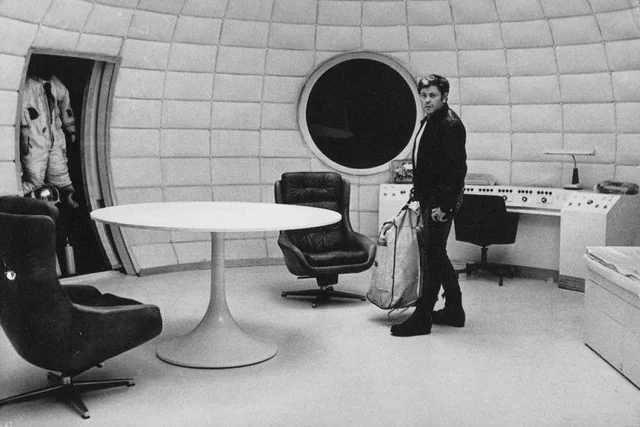
“Solaris” delves into themes of memory, guilt, and the nature of human consciousness. Tarkovsky uses the setting of space not as a backdrop for futuristic technology, but as a metaphorical landscape for exploring the depths of the human soul. The film contrasts the sterile, mechanical environment of the space station with the organic, enigmatic presence of Solaris’s ocean, symbolizing the tension between human rationality and emotional vulnerability.
Cinematic Techniques
Tarkovsky is renowned for his distinctive cinematic style, characterized by long takes, sparse dialogue, and evocative imagery. In “Solaris,” he employs these techniques to create an immersive atmosphere that encourages introspection. The film’s deliberate pacing allows viewers to engage deeply with the characters’ psychological journeys.
Reception and Legacy
Upon its release, “Solaris” received mixed reviews but has since been recognized as a masterpiece of science fiction cinema. It has been praised for its philosophical rigor and visual artistry. The film’s influence extends beyond the genre, inspiring filmmakers and scholars alike to consider the interplay between technology and humanity.
Conclusion
“Solaris” is more than a science fiction film; it is a profound meditation on what it means to be human. Through its exploration of memory and identity, Tarkovsky challenges audiences to reflect on their own experiences and perceptions. As a cinematic work, “Solaris” remains a timeless exploration of the human psyche, offering insights that resonate across generations.