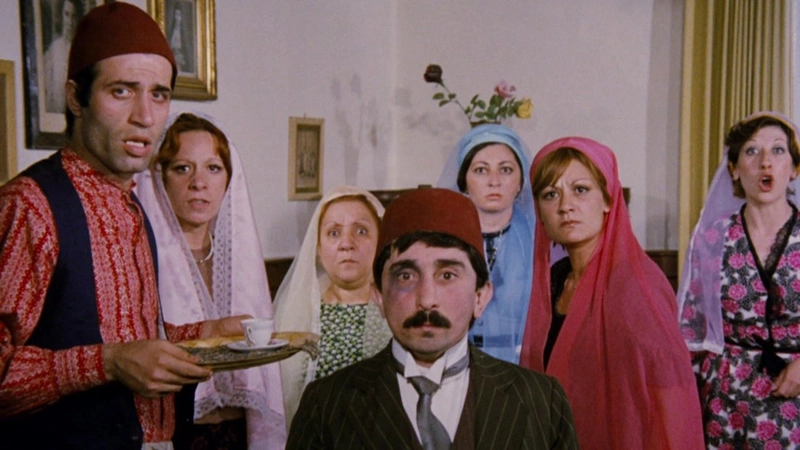
marydilip.info – Tosun Paşa, released in 1976, is a quintessential Turkish comedy directed by Kartal Tibet and starring the legendary Kemal Sunal. This uproarious farce, filled with slapstick humor, mistaken identities, and witty dialogue, has solidified its place as a beloved classic in Turkish cinema. The film’s enduring popularity stems from its absurd situations, memorable characters, and its ability to poke fun at social hierarchies and human folly. This article delves into the narrative, themes, characters, and lasting impact of this iconic comedy.
Narrative: A Hilarious Case of Mistaken Identity and Rivalry
The story of Tosun Paşa is set in 19th-century Egypt and revolves around two rival families vying for control of a fertile piece of land. The Tellioğulları and the Seferoğulları families are locked in a bitter feud, constantly trying to outsmart each other. The situation escalates when the local governor decides to award the coveted land to “Tosun Paşa,” a renowned and fearsome Ottoman official.
However, the real Tosun Paşa is nowhere to be found. In a desperate attempt to secure the land for themselves, the Tellioğulları family concocts a hilarious scheme: they dress up Şaban (Kemal Sunal), a simple and unassuming farmhand, as Tosun Paşa. This sets off a chain of chaotic events, as Şaban, completely out of his depth, tries to maintain the charade while navigating the treacherous world of Egyptian politics and family rivalries. The film’s narrative is driven by a series of misunderstandings, coincidences, and increasingly absurd situations, creating a constant stream of laughter.
Themes: Exploring the Absurdity of Human Behavior
Tosun Paşa explores several comedic themes:
- Mistaken Identity and Impersonation: The central premise of the film revolves around the classic comedic trope of mistaken identity. Şaban’s impersonation of Tosun Paşa leads to a series of hilarious situations, as he struggles to maintain the deception and avoid being exposed.
- Rivalry and Greed: The feud between the Tellioğulları and the Seferoğulları families serves as a driving force for the narrative, highlighting the absurdity of their relentless pursuit of land and power.
- Social Satire: While primarily a slapstick comedy, Tosun Paşa also offers subtle social commentary, poking fun at the corruption and inefficiency of local authorities and the absurdity of social hierarchies.
- The Triumph of the Underdog: Şaban, a simple and unassuming character, finds himself in a position of power due to a series of coincidences. His ability to navigate this unfamiliar world, despite his lack of experience, resonates with audiences and offers a lighthearted message about the potential for anyone to rise above their circumstances.
Characters: Memorable Figures of Turkish Comedy
The characters in Tosun Paşa are iconic figures in Turkish comedy, particularly Kemal Sunal’s portrayal of Şaban:
- Şaban (Tosun Paşa): Kemal Sunal’s portrayal of Şaban is the heart and soul of the film. His comedic timing, physical humor, and ability to portray a naive yet resourceful character have made him a beloved figure in Turkish cinema.
- The Tellioğulları Family: The members of the Tellioğulları family are portrayed as cunning and ambitious, constantly scheming to outsmart their rivals.
- The Seferoğulları Family: The Seferoğulları family are portrayed as equally ambitious and equally inept, providing a constant source of comedic conflict.
Lasting Impact: A Cultural Phenomenon
Tosun Paşa has become a cultural phenomenon in Turkey, remaining a highly popular and frequently rewatched film. Its slapstick humor, memorable characters, and witty dialogue have resonated with audiences for decades. The film’s enduring popularity is largely attributed to Kemal Sunal’s iconic performance, which has solidified his status as one of Turkey’s greatest comedic actors. The film’s simple yet effective storytelling and its focus on universal themes of rivalry, greed, and mistaken identity have cemented its place as a classic of Turkish comedy.
Conclusion: A Celebration of Laughter and Absurdity
Tosun Paşa is more than just a comedy; it is a celebration of laughter and absurdity. Its uproarious situations, memorable characters, and witty dialogue continue to entertain audiences of all ages. The film’s enduring legacy lies in its ability to bring joy and laughter to viewers while also offering subtle social commentary and a lighthearted message about the triumph of the underdog. It remains a staple of Turkish television and a beloved reminder of the golden age of Turkish comedy.

