The Ultimate Guide to Functional Trainers: Versatility – Efficiency

marydilip.info – Functional trainers have become increasingly popular in modern gyms and home workout spaces. These versatile pieces of equipment are designed to improve a wide range of physical capabilities, from strength and endurance to balance and coordination. Whether you’re a beginner just starting out or an advanced athlete aiming to take your training to the next level, a functional trainer can help you reach your fitness goals more effectively.

In this comprehensive guide, we will explore what functional trainers are, the benefits they offer, how to use them, and why they should be part of your fitness routine.

What is a Functional Trainer?

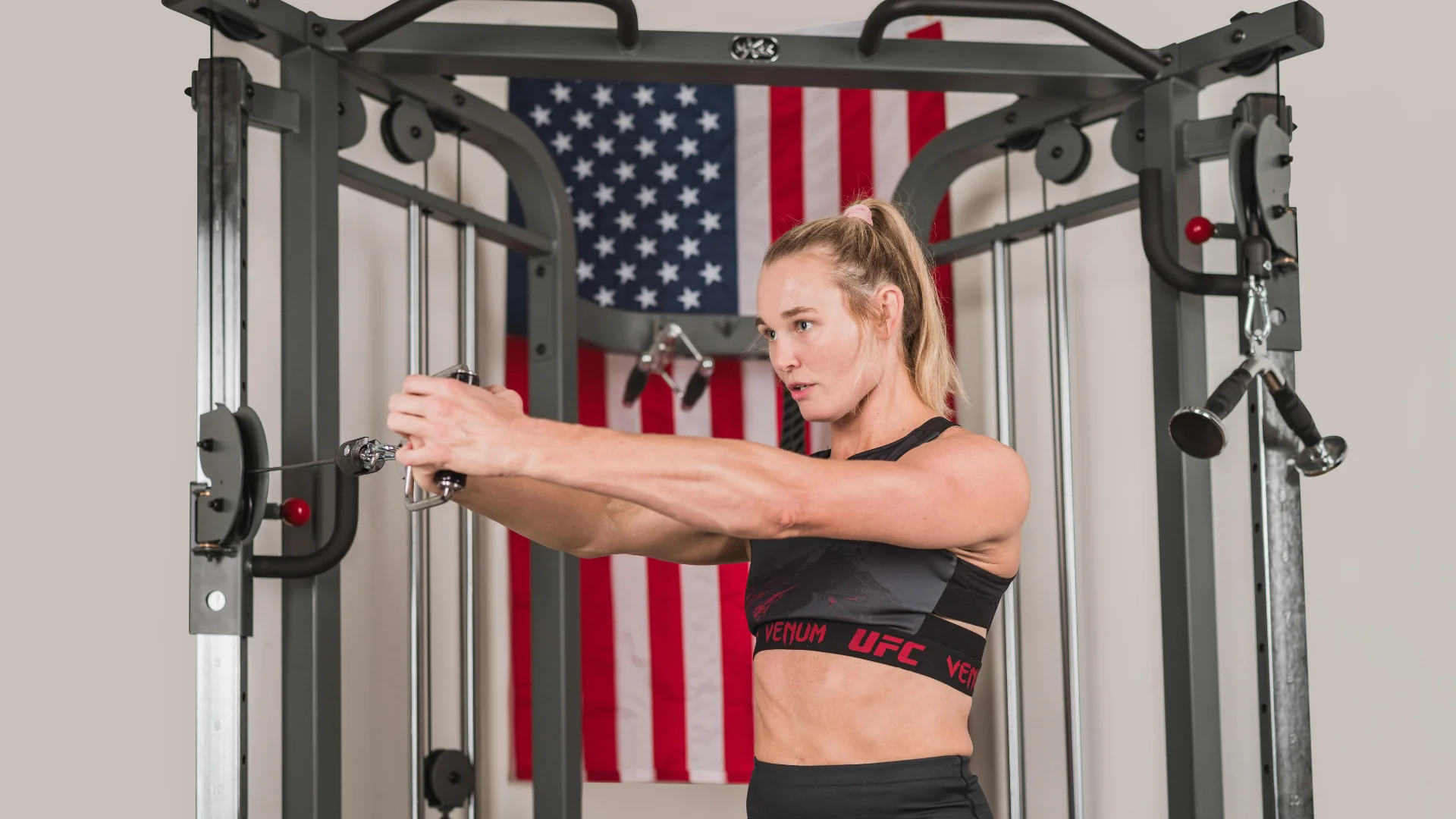
A functional trainer is a piece of gym equipment that uses adjustable cables and pulleys to allow for a wide range of movements, providing resistance for full-body workouts. The core concept behind functional trainers is to mimic everyday movements and activities to improve your ability to perform real-world tasks, whether it’s lifting groceries, climbing stairs, or playing sports.

The equipment typically consists of two adjustable cables that can be used simultaneously or independently, providing resistance for multiple exercises targeting various muscle groups. Functional trainers come with different setups, but they are generally compact, easy to use, and incredibly versatile, offering a full-body workout in a relatively small footprint.

Key Features of Functional Trainers

Functional trainers come with various features designed to increase their effectiveness and versatility. While there are different models and configurations, the following features are common among most systems:

1. Adjustable Cables and Pulleys

The defining feature of a functional trainer is its system of adjustable cables and pulleys. These cables can be set to different heights and resistance levels, allowing for customized training based on your fitness level and specific exercise goals. The pulleys allow for a wide range of movements, from horizontal to vertical and diagonal motions, mimicking real-life activities.

2. Dual Cable System

Most functional trainers come with two independent cables, meaning you can perform exercises that target each side of the body separately. This is especially helpful for balancing strength between the left and right sides and for unilateral exercises, such as one-arm rows or lunges.

3. Resistance Options

Functional trainers generally feature adjustable weight stacks, which provide variable resistance for your workouts. This allows you to increase the intensity of your workouts as you get stronger. Some trainers also feature plate-loaded options, where you add or remove weight plates for customization.

4. Compact Design

Despite their wide range of exercises and versatility, functional trainers are relatively compact. This makes them a great option for home gyms or fitness spaces with limited space, as they provide a full-body workout without taking up the room that traditional gym machines or free weights might.

5. Versatility of Exercises

A major advantage of functional trainers is their ability to offer a variety of exercises, from upper and lower body workouts to core exercises. The adjustable cables allow you to target almost any muscle group, and many functional trainers come with additional attachments, such as handles, ankle straps, and ropes, to further enhance the number of exercises you can perform.

6. Ergonomic and User-Friendly Design

Most functional trainers are designed with ease of use in mind. The controls are intuitive, and they typically offer smooth resistance adjustments. The ergonomic design ensures users can move naturally and efficiently during their workouts.

Benefits of Using Functional Trainers

Functional trainers offer a wide range of benefits that can enhance your fitness journey. Here are some of the top advantages of incorporating functional training into your routine:

1. Improved Strength and Conditioning

Functional trainers allow you to perform resistance exercises that target different muscle groups at once. This results in improved strength across your entire body, including stabilizer muscles. Strengthening these smaller muscles enhances balance and coordination, making functional trainers a powerful tool for building overall strength and conditioning.

2. Better Core Stability and Balance

One of the key benefits of functional training is its focus on core stability and balance. Many exercises require the use of your core muscles to maintain proper posture and alignment, even during dynamic movements. Over time, this helps improve your core strength and balance, which translates to better posture and reduced risk of injury in daily activities.

3. Increased Flexibility and Range of Motion

Functional trainers are designed to promote a full range of motion during exercises. Because the cables are adjustable and offer smooth, fluid movements, functional trainers allow you to work through various angles, improving joint mobility and flexibility. This is especially important for athletes or anyone involved in sports, as it enhances performance and reduces the risk of injury.

4. Enhanced Functional Movement Patterns

The goal of functional training is to improve your ability to perform everyday activities with ease and efficiency. The movements you perform on a functional trainer mimic real-life actions, such as reaching, lifting, twisting, and bending. By improving these functional movement patterns, you become better equipped to handle daily tasks and physical challenges.

5. Customized Workouts for All Fitness Levels

Whether you’re a beginner or an advanced athlete, functional trainers offer adjustable resistance levels and customizable exercises. You can start with lower resistance and gradually increase the intensity as your strength improves. This makes functional trainers suitable for people of all fitness levels.

6. Injury Prevention and Rehabilitation

Because functional trainers emphasize controlled, multi-directional movement, they can help prevent injuries by improving muscle imbalances, joint stability, and mobility. Additionally, functional trainers are often used in rehabilitation settings to help individuals recover from injuries. The ability to adjust resistance and modify movements makes them a valuable tool for safely rebuilding strength and range of motion after an injury.

7. Time Efficiency

Functional trainers allow you to perform compound movements that target multiple muscle groups simultaneously. This means you can get a full-body workout in a shorter amount of time compared to traditional gym equipment. With the ability to switch between exercises with ease, you can maximize your workout efficiency.

Common Exercises You Can Perform on a Functional Trainer

Functional trainers are extremely versatile and can be used for a wide variety of exercises. Here are some common exercises you can perform:

1. Cable Chest Press

To target the chest, shoulders, and triceps, you can perform a standing chest press. Set the pulleys at shoulder height, grasp the handles, and press them forward, ensuring that your core remains engaged throughout the movement.

2. Lat Pulldown

For the back and biceps, a lat pulldown is a great option. Set the pulleys high, grasp the handles, and pull them down to shoulder height, keeping your chest up and elbows wide. This exercise mimics the motion of a traditional lat pulldown machine.

3. Cable Row

A seated or standing cable row is great for building back strength. Set the pulleys at chest height and pull the handles toward your torso, squeezing your shoulder blades together as you complete the movement.

4. Lunges

You can use the functional trainer to add resistance to your lunges. Attach the handles to the low pulleys, stand facing the machine, and step forward into a lunge while holding onto the handles for extra resistance.

5. Woodchoppers

This rotational movement targets the core, especially the obliques. Attach a handle to the low pulley, grasp it with both hands, and rotate your torso as you pull the handle diagonally across your body in a chopping motion.

6. Cable Bicep Curls

To isolate the biceps, use a low pulley setting and perform curls by bending your elbows and bringing your hands toward your shoulders. This exercise focuses on building arm strength.

7. Cable Tricep Pushdowns

Attach a rope or handle to the high pulley and use it to perform tricep pushdowns. Keep your elbows at your sides as you push the handles downward, targeting the triceps.

8. Core Rotations

Using the functional trainer’s cables, you can perform rotational movements that engage your core. Set the pulley at a low position, hold the handle with both hands, and rotate your torso to each side for a challenging core exercise.

How to Choose the Right Functional Trainer

When selecting a functional trainer, there are several factors to consider to ensure you choose the right one for your needs:

1. Space Considerations

Make sure you have enough space to accommodate the functional trainer. While they tend to be more compact than other gym equipment, they still require enough clearance for movement during exercises. Measure your available space and check the dimensions of the trainer before purchasing.

2. Resistance Options

Different functional trainers offer varying resistance options, such as weight stacks or plate-loaded systems. Consider what works best for your fitness goals. If you prefer more precise resistance adjustments, a weight stack system might be ideal, while a plate-loaded system could be better for heavier lifting.

3. Adjustability

Look for a functional trainer with adjustable pulleys and resistance levels to tailor the workouts to your fitness level and goals. The more adjustability the machine offers, the more versatile it will be.

4. Build Quality

Choose a functional trainer made from high-quality materials that can withstand frequent use. Look for sturdy frames, smooth pulleys, and a solid resistance system to ensure durability.

5. Attachments and Accessories

Some functional trainers come with a variety of attachments, such as handles, ropes, ankle straps, and more. These accessories can enhance the variety of exercises you can perform, so consider what comes with the system.

Conclusion

Functional trainers are one of the most versatile and effective pieces of equipment you can add to your fitness routine. Whether you’re aiming to build strength, improve mobility, prevent injuries, or enhance overall performance, a functional trainer offers everything you need for a full-body workout. With its wide range of exercises, adjustability, and space-saving design, it’s a great option for both home gyms and professional fitness spaces.

Incorporating functional training into your routine can help improve your functional movement patterns, enhance your balance and coordination, and boost your overall strength. Whether you’re training for a sport, rehabilitating from an injury, or simply looking to stay fit, a functional trainer is an investment that will provide long-lasting benefits for your health and fitness journey.
Stretch Straps: The Ultimate Guide to Flexibility, Mobility

marydilip.info – Stretch straps, also known as stretching straps or yoga straps, have become essential tools in the fitness, rehabilitation, and wellness world. These simple yet powerful tools are designed to help individuals achieve a greater range of motion, improve flexibility, and prevent injuries. Whether you’re a yoga practitioner, athlete, or simply someone looking to improve your mobility, stretch straps can be a game-changer.

In this article, we’ll dive deep into what stretch straps are, their benefits, different types available, how to use them effectively, and how to incorporate them into your workout and stretching routines.

What Are Stretch Straps?

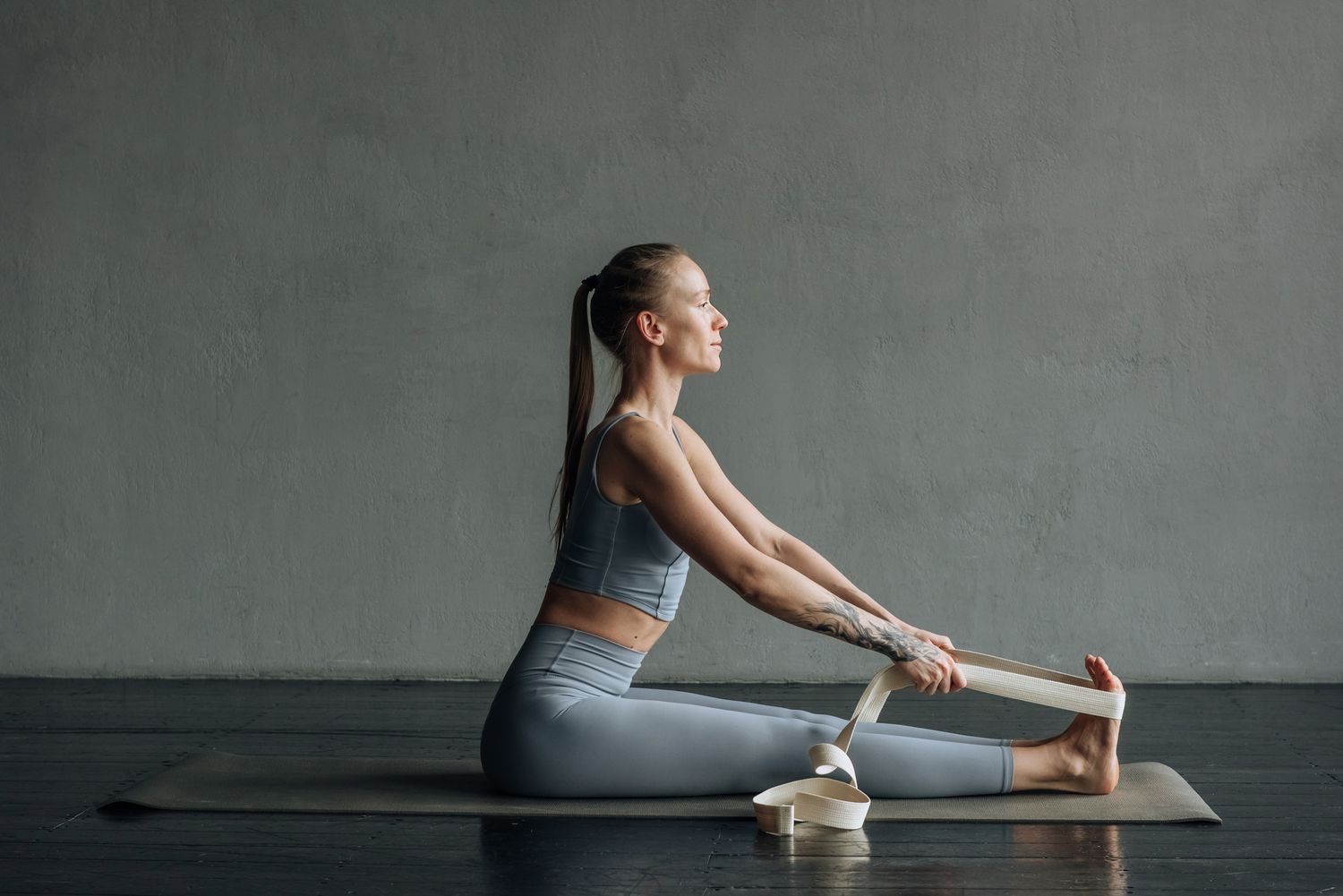
A stretch strap is a long, durable piece of fabric or nylon material with loops, buckles, or rings attached to help assist with stretching. They come in various lengths and widths, with adjustable loops or handles designed to help you target specific muscles, improve your flexibility, and deepen your stretches.

Stretch straps are often used in physical therapy, yoga, Pilates, and athletic training. They serve as a tool to enhance your flexibility and range of motion, especially for those who struggle with mobility or need help performing stretches correctly. These straps provide external support, allowing users to stretch more effectively and safely.

The Benefits of Stretch Straps

Stretch straps offer several benefits that make them an indispensable part of your fitness and rehabilitation routine. Let’s explore how they can enhance your overall well-being:

1. Improved Flexibility

The most obvious benefit of using a stretch strap is the improvement in flexibility. Stretching with the help of a strap allows you to achieve deeper stretches than you might be able to do without assistance. By lengthening your muscles safely, a stretch strap helps you increase flexibility, which is essential for improving performance in a variety of physical activities, including yoga, running, and weight training.

2. Greater Range of Motion

For individuals with tight muscles or limited mobility, a stretch strap can help improve the range of motion in specific joints. Whether it’s your shoulders, hips, or hamstrings, a stretch strap allows you to gently and gradually increase the range of movement, which can help prevent stiffness and enhance overall mobility. Greater joint mobility is important for maintaining a functional body and preventing injuries in daily life and sports.

3. Injury Prevention

Incorporating stretch straps into your routine can significantly reduce the risk of injury by helping you achieve proper alignment and deeper stretches. Stretching muscles with the assistance of a strap helps prevent overstretching, which can lead to strain or tears. It also encourages the body to move more efficiently, reducing the risk of muscle imbalances and injury during physical activities.

4. Targeted Stretching

Stretch straps allow for targeted stretching of specific muscle groups that may be difficult to isolate on your own. For example, using a strap during a hamstring stretch can help you isolate and stretch the hamstring muscle more effectively. The loops or handles on the strap can also be used to maintain a consistent stretch and prevent your body from compensating with improper posture.

5. Support During Yoga and Pilates

Stretch straps are often used in yoga and Pilates to assist with deepening poses and achieving proper alignment. For example, in yoga, a stretch strap can be used to extend the arms during poses like a seated forward fold or to support the legs during a reclining hand-to-foot stretch. The strap can help maintain posture and reduce the strain that might otherwise result from attempting a stretch without support.

6. Assistance for Those with Limited Mobility

For people who experience difficulty performing stretches due to lack of flexibility or injury, stretch straps are an ideal tool. These straps provide an easy way to modify and support stretches, making them more accessible for those with limited mobility or flexibility. Stretch straps also offer an alternative to deep stretching that might otherwise be too painful or difficult to perform.

7. Deepens the Stretch

Using a stretch strap allows you to deepen your stretches safely. When you apply gentle pressure with the strap, it helps lengthen the muscles and connective tissues further than you might be able to do on your own. This deepening effect increases the stretch intensity and helps release tension in tight areas more effectively.

8. Promotes Muscle Relaxation

Stretching with the aid of a strap promotes relaxation in your muscles by helping them lengthen slowly and safely. Holding a stretch for an extended period, particularly with the added support of a stretch strap, activates the parasympathetic nervous system (the body’s rest-and-digest system), which can help relieve tension and stress in both the body and mind.

Types of Stretch Straps

There are several different types of stretch straps available, each designed to offer various features for different needs. Here’s an overview of the most common types:

1. Basic Yoga Stretch Straps

These are the simplest and most common type of stretch strap, typically made of cotton or nylon material. They come in varying lengths, usually 6 to 10 feet, and often have a buckle, D-ring, or loop system for easy adjustment. Basic yoga stretch straps are excellent for improving flexibility and assisting with deep stretches during yoga practice.

  • Best for: General stretching, yoga, Pilates.
  • Material: Cotton, nylon.
  • Length: Usually 6 to 10 feet.
  • Adjustability: Adjustable buckle or loops.

2. Resistance Stretch Straps

Resistance stretch straps have a built-in elastic component that provides resistance during stretches. These straps add a dynamic element to your stretching routine, making them perfect for increasing strength as well as flexibility. They can be used to stretch muscles while simultaneously engaging them, which adds an extra challenge to your workout.

  • Best for: Strength-building and stretching.
  • Material: Elastic, rubberized material.
  • Length: Varies.
  • Adjustability: No buckle, as the strap is elastic.

3. Stretching Bands with Loops

Stretching bands with loops are similar to traditional yoga straps but have built-in loops at regular intervals along the length of the strap. These loops provide easy handholds or anchor points for specific stretches, making them ideal for individuals who need extra assistance with their stretches. These types of straps are often used for both static stretching and dynamic movements.

  • Best for: Targeted stretches, yoga, and Pilates.
  • Material: Cotton or nylon with built-in loops.
  • Length: Varies.
  • Adjustability: Pre-positioned loops.

4. Adjustable Stretch Straps with Handles

These straps feature adjustable loops with handles at each end, making them easier to grip and manipulate during stretches. The handles provide extra control, especially for individuals with limited flexibility or mobility. This type of strap is particularly useful for performing stretches that require both hands and feet simultaneously, like hamstring stretches or shoulder stretches.

  • Best for: Beginners, those with limited mobility, rehabilitation.
  • Material: Nylon or durable fabric with handles.
  • Length: Usually 6 to 10 feet.
  • Adjustability: Adjustable loops with handles.

5. Multi-Loop Stretching Straps

Multi-loop stretching straps are designed with multiple loops along the strap, which allows for multiple grip options during stretches. These straps are ideal for users who need more versatility and precision during their stretches. The multiple loops provide options for adjusting the intensity of stretches and can be used for dynamic stretches, yoga poses, and physical therapy exercises.

  • Best for: Versatile stretches, rehabilitation, strength training.
  • Material: Durable fabric or nylon.
  • Length: Varies.
  • Adjustability: Multiple loops for varied positioning.

How to Use a Stretch Strap

Using a stretch strap is relatively simple, but proper technique and form are key to maximizing the benefits of your stretches. Here are some basic steps and tips for using a stretch strap effectively:

1. Set Up the Strap

  • Loop the strap around the target muscle group. For example, place the strap around the balls of your feet for hamstring stretches or over your shoulders for shoulder stretches.
  • Hold the strap with both hands, keeping your arms extended, and gently begin to pull on the strap to deepen the stretch.

2. Focus on Proper Alignment

  • Be mindful of your posture while using the strap. Keep your spine neutral and avoid overstretching. Use the strap to assist your flexibility without forcing your body into discomfort.
  • Keep your breath steady and deep. Inhale as you prepare for the stretch and exhale as you deepen it.

3. Adjust the Intensity

  • Depending on your flexibility and comfort level, you can adjust the intensity of the stretch by pulling on the strap more or less. If you’re looking for a deeper stretch, gently pull on the strap to extend your muscles further.

4. Hold the Stretch

  • Hold the stretch for 20-30 seconds, gradually increasing the duration as you build flexibility. Make sure to relax and allow your body to ease into the stretch rather than forcing it.

5. Use the Strap for Support

  • The strap is meant to assist you in stretching by providing support. If you feel discomfort or resistance during a stretch, release some tension in the strap and allow your muscles to ease back into the stretch.

Stretch Strap Exercises

Here are some common and effective stretches using a stretch strap:

1. Hamstring Stretch

  • Lie on your back with your legs extended and loop the strap around the ball of one foot.
  • Hold the strap with both hands and gently extend your leg upward, keeping your knee straight.
  • Hold for 20-30 seconds, then switch legs.

2. Shoulder Stretch

  • Hold the strap with both hands, with your arms extended overhead.
  • Gently pull on the strap to deepen the stretch, extending your arms behind you to open up the shoulders.
  • Hold for 20-30 seconds, focusing on keeping your chest open and your spine aligned.

3. Hip Flexor Stretch

  • Loop the strap around the arch of one foot while lying on your back.
  • Gently pull the strap to raise your leg, bringing your foot toward your chest.
  • Hold for 20-30 seconds, feeling the stretch in your hip flexors.

Conclusion

Stretch straps are incredibly versatile tools that can enhance your flexibility, improve your range of motion, and help prevent injuries. Whether you’re using them for yoga, Pilates, physical therapy, or general stretching, they offer great support and help you achieve deeper, more effective stretches. With the variety of types and styles available, you can easily find a strap that suits your needs and goals. By incorporating stretch straps into your regular stretching routine, you can unlock greater mobility, boost your athletic performance, and maintain overall physical wellness.