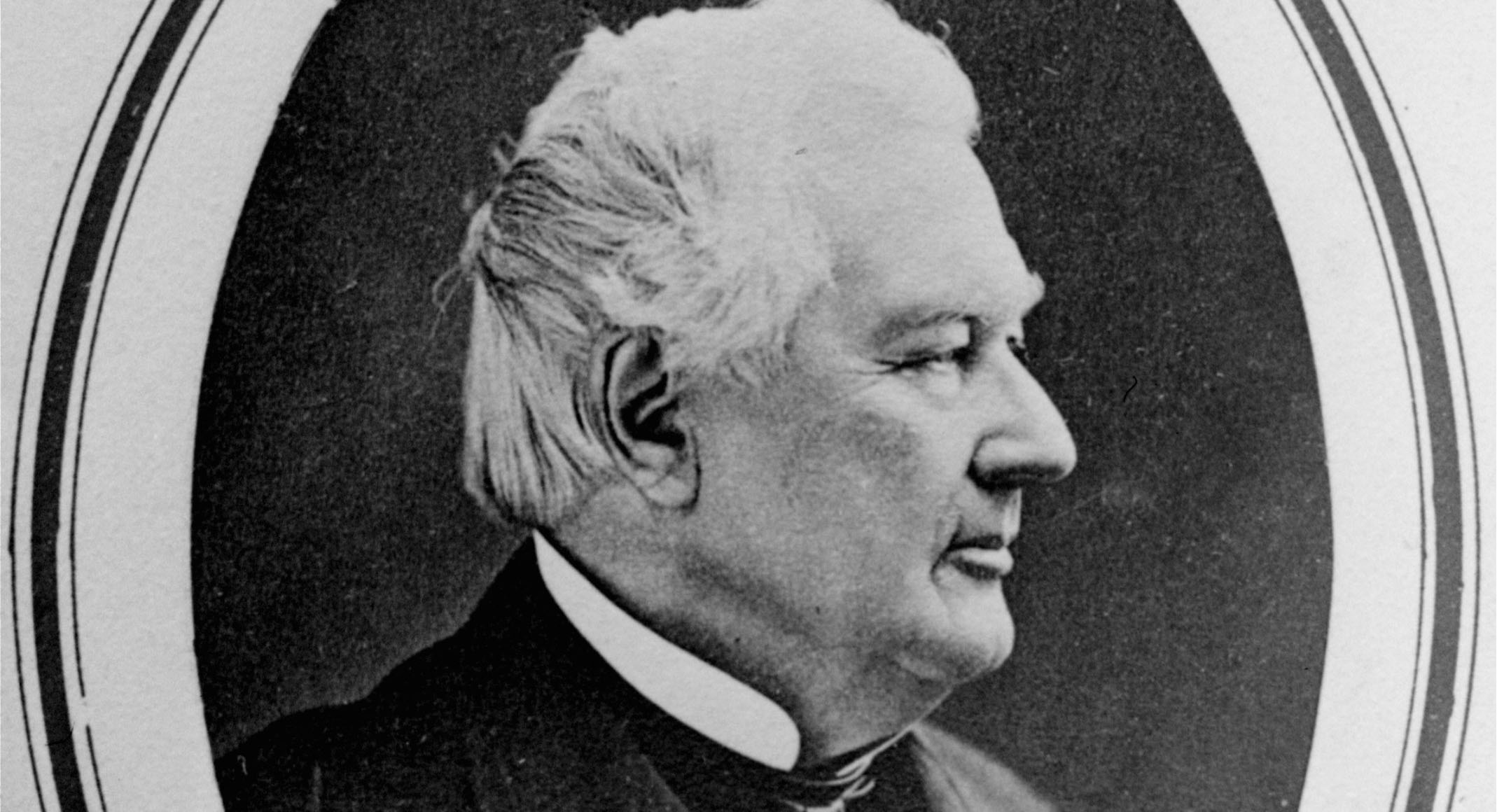
marydilip.info – Millard Fillmore, the 13th president of the United States, served from 1850 to 1853 during a period of intense national transformation and territorial growth. His presidency coincided with one of the most pivotal moments in American history—the westward expansion of the nation. This expansion not only shaped the country’s physical boundaries but also its political, economic, and cultural landscape. Fillmore’s approach to expansion was influenced by the complex issues of the time, such as slavery, economic growth, and foreign policy. While Fillmore is often remembered for his moderate stance on issues like slavery, his policies and actions during his presidency played a significant role in the United States’ territorial expansion.
Westward Expansion in the 19th Century
Manifest Destiny and the Drive for Growth
By the time Fillmore assumed the presidency in 1850, the concept of Manifest Destiny—the belief that the United States was destined to expand across the North American continent—was well entrenched in American society. This belief had spurred earlier territorial acquisitions, including the Louisiana Purchase in 1803 and the annexation of Texas in 1845. The acquisition of Oregon Territory (via treaties with Britain) in 1846 and the end of the Mexican-American War in 1848, which resulted in the Treaty of Guadalupe Hidalgo, set the stage for even greater expansion.
The desire for new land was driven by several factors, including economic opportunity, the discovery of gold in California, and the belief in spreading American ideals such as democracy and capitalism. As new territories were acquired, however, the question of how these territories would be incorporated into the Union—and whether they would allow slavery—became increasingly divisive, leading to political tensions that would eventually culminate in the Civil War.
Fillmore’s Role in Territorial Expansion
Although Millard Fillmore served for only three years, his presidency was marked by several key events related to the expansion of the United States. His role in westward expansion was intertwined with the broader political and social issues of the day, particularly the issue of slavery. As a moderate Whig, Fillmore was often caught between the interests of the North and South, both of which had competing visions for the future of the newly acquired lands.
The Compromise of 1850
One of the most significant events during Fillmore’s presidency was his support for the Compromise of 1850, a series of legislative measures aimed at settling disputes over the expansion of slavery into the newly acquired territories from the Mexican-American War. The Compromise was introduced by Senator Henry Clay and consisted of five separate bills, each addressing key issues that threatened to divide the nation.
Fillmore’s support for the Compromise was crucial in its passage. The legislation included the following provisions:
- California’s Admission as a Free State: California entered the Union as a free state, disrupting the balance between free and slave states.
- The Fugitive Slave Act: This law required that escaped slaves be returned to their owners, even if they were found in free states, and imposed heavy penalties on anyone who aided runaway slaves.
- Territorial Organization: The territories of New Mexico and Utah were organized with the option of popular sovereignty, meaning the residents of these territories could decide for themselves whether to permit slavery.
- The Abolition of the Slave Trade in Washington, D.C.: While slavery itself remained legal in the capital, the sale of slaves was banned within the district.
Although the Compromise of 1850 did not resolve the issue of slavery once and for all, it temporarily eased tensions and delayed a full-blown sectional crisis. Fillmore’s endorsement of the Compromise helped ensure that California and other territories were integrated into the Union, but it also highlighted the delicate balancing act the nation faced in trying to maintain a union in the midst of deepening divisions over slavery.
The Gadsden Purchase (1853)
While Fillmore’s presidency is often associated with the Compromise of 1850, another key event related to expansion occurred just after he left office: the Gadsden Purchase. This land acquisition, completed in 1853, involved the United States purchasing more than 29,000 square miles of land from Mexico for $10 million. The land was located in what is now southern Arizona and New Mexico and was purchased to facilitate the construction of a southern transcontinental railroad.
Although the purchase itself occurred after Fillmore’s departure from office, it was initiated under his administration, and his Secretary of War, Jefferson Davis, played a significant role in the negotiations. The Gadsden Purchase was important for several reasons:
- It secured the southern route for the transcontinental railroad, which would be a crucial element in the development of the western territories.
- It settled lingering border disputes with Mexico and further defined the U.S.-Mexico border.
- It contributed to the ongoing debate over the expansion of slavery into new territories. Many southerners believed that the acquisition of new lands could be used to expand slavery, and the Gadsden Purchase was viewed by some as part of this effort.
The Gadsden Purchase was controversial, particularly in the North, where opponents viewed the acquisition as an attempt to extend slavery’s reach. However, it remains an important part of the U.S. territorial expansion, helping to define the nation’s southwestern borders.
Foreign Expansion: Fillmore’s Role in Opening Japan
While Fillmore is primarily remembered for his role in domestic territorial expansion, he also made significant strides in expanding America’s influence on the global stage. His foreign policy achievements helped to solidify the United States’ position in the world and set the stage for future American expansion.
The Opening of Japan: The Perry Expedition
Perhaps the most notable foreign policy event of Fillmore’s presidency was the Perry Expedition to Japan. In the early 19th century, Japan had been largely closed off to foreign trade and interaction, adhering to a policy of isolationism. However, by the 1850s, the United States was eager to open trade relations with Japan, as it sought new markets and strategic ports in the Pacific.
Fillmore sent Commodore Matthew Perry to Japan in 1852 to negotiate a treaty that would open the country to American trade. Perry arrived in Japan in 1853 with a fleet of ships, presenting the Japanese with a letter from President Fillmore that urged the Japanese to open their ports to U.S. ships. The show of force, combined with diplomatic pressure, led to the signing of the Treaty of Kanagawa in 1854, which marked the beginning of Japan’s opening to the West.
The Treaty of Kanagawa had significant implications for U.S. foreign policy:
- It granted the U.S. the right to trade at two Japanese ports.
- It marked the beginning of a more active American presence in the Pacific.
- It helped the United States expand its global influence and gain access to critical resources and markets in Asia.
While Fillmore did not live to see the full extent of the consequences of the Treaty of Kanagawa, his decision to send Perry to Japan was a landmark moment in the history of U.S. foreign policy and expansion.
The Legacy of Fillmore’s Expansionist Policies
Millard Fillmore’s presidency was shaped by the desire to expand the United States both territorially and globally. His efforts to balance the interests of different regions within the country, particularly over the issue of slavery, were instrumental in maintaining the Union during a time of great political strife. His support for the Compromise of 1850, which included provisions for admitting new territories into the Union, played a significant role in the expansion of the United States to the Pacific.
While his role in territorial expansion was crucial, Fillmore’s foreign policy also contributed to the United States’ growth on the world stage. The opening of Japan, a nation that would later become an important global power, helped cement the United States as an emerging player in the Pacific region.
Ultimately, Fillmore’s approach to expansion was marked by a pragmatic desire to keep the nation unified while pursuing the economic and strategic benefits of growth. His policies, both domestic and foreign, left a lasting impact on the trajectory of American development in the 19th century. While his presidency may be often overlooked, his role in shaping the United States’ physical and geopolitical boundaries cannot be underestimated.
Conclusion: Millard Fillmore’s Vision for Expansion
Millard Fillmore’s approach to the expansion of the United States was characterized by moderation, pragmatism, and a strong belief in the economic and strategic benefits of territorial growth. While his presidency may have been short-lived, his policies and decisions played a significant role in shaping the United States during a critical time in its history. Through domestic compromises and strategic foreign policy moves, Fillmore helped to ensure that the nation would continue to grow both geographically and internationally, even as it faced deep divisions over the issue of slavery. His legacy in the expansion of the United States remains an important chapter in the nation’s story of growth and transformation.
