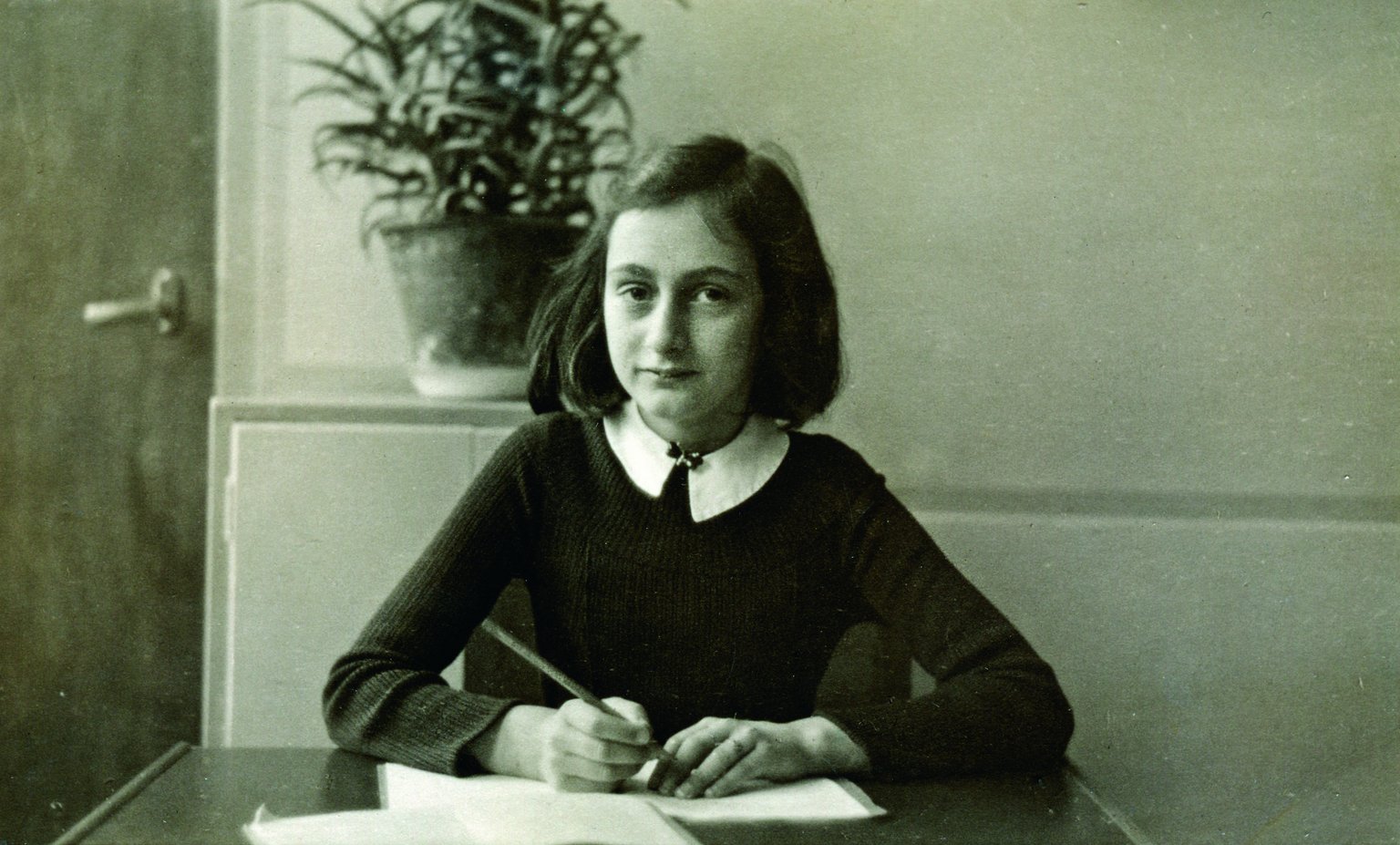
marydilip.info – Anne Frank, a Jewish girl whose life was tragically cut short during the Holocaust, has become one of the most iconic figures representing the human cost of World War II. Her poignant diary, written while hiding from the Nazis, is a testament to the strength of the human spirit, the horrors of war, and the enduring power of words. Anne’s story continues to inspire millions around the world and serves as a crucial reminder of the consequences of prejudice, hatred, and intolerance.
This article explores Anne Frank’s life, her time in hiding, the publication of her diary, and her lasting impact on the world.
Early Life of Anne Frank
Anne Frank was born on June 12, 1929, in Frankfurt, Germany, to Otto Frank and Edith Frank. She had one older sister, Margot, who was born in 1926. The Frank family was originally from Germany, but they fled to the Netherlands in 1933, after Adolf Hitler came to power and the Nazis began persecuting Jews. The family settled in Amsterdam, where Otto Frank worked as a businessman and the family lived a relatively peaceful life in comparison to the growing tensions in Germany.
The Rise of Anti-Semitism and the Frank Family’s Move to Amsterdam
The rise of Nazi power and the increasing discrimination against Jews in Germany were major factors in the Frank family’s decision to move to the Netherlands. Initially, the family found refuge in Amsterdam, where Anne attended school and enjoyed a relatively happy childhood. However, in 1940, the Nazis invaded the Netherlands, and the situation for Jewish people worsened dramatically. Anti-Semitic laws were implemented, and Jews were forced into increasingly restrictive living conditions.
The Frank Family’s Flight to Hiding
In 1942, as the war escalated and the persecution of Jews intensified, Anne’s sister Margot received a summons to report to a Nazi labor camp. The Frank family realized that their lives were in imminent danger. They decided to go into hiding in the “Secret Annex,” a hidden space located behind Otto Frank’s business in Amsterdam. They were joined by another Jewish family, the Van Pels, and later by Fritz Pfeffer, a dentist. The family was helped by Otto Frank’s employees and other trusted individuals who risked their lives to provide food, supplies, and information.
The Secret Annex: Anne’s Life in Hiding
The Frank family and their fellow refugees spent more than two years in hiding, living in constant fear of discovery. The small, cramped quarters of the Secret Annex became their refuge, where they had to remain silent during the day to avoid detection by the building’s workers. Anne, who had just turned 13 when the family went into hiding, spent much of this time writing in her diary, which she had received as a gift on her birthday.
Writing in the Diary
Anne Frank’s diary, known as The Diary of a Young Girl, was her constant companion during the time she spent in hiding. She wrote about her thoughts, emotions, experiences, and her relationships with the other people in the annex. She also recorded her deep personal reflections on the world around her, as well as her aspirations and frustrations. The diary allowed Anne to process her difficult and often terrifying circumstances, and it became a safe space where she could express herself freely.
In the diary, Anne also reflected on her own growth as a person, sharing her ambitions to become a writer and the challenges of growing up in such an extraordinary and difficult time. She was highly introspective, and her observations revealed a sharp, mature understanding of the complexities of human nature and the devastating effects of hatred and prejudice.
The People in the Secret Annex
Life in the Secret Annex was far from easy. The people in hiding were forced to live in close quarters and rely on each other for support and survival. Tensions often ran high, as the individuals had to cope with fear, scarcity, and the strain of living under constant threat.
Anne’s relationships with the other members of the annex were complex. She had a close bond with her sister Margot, although they often lived in each other’s shadows. Anne’s relationship with her mother, Edith, was more strained, and she often expressed frustration with her mother’s quiet and passive demeanor. Her relationship with her father, Otto Frank, was much closer, and he became a source of support and encouragement for her throughout their time in hiding.
Anne also developed a close, complicated relationship with Peter Van Pels, the teenage son of the family who was hiding with them. While their relationship was initially awkward, over time, Anne and Peter began to confide in each other and share their thoughts and feelings.
The Role of the Helpers
Anne’s family and their companions in hiding were able to survive in large part due to the help of a group of trusted individuals who risked their lives to provide food, supplies, and information. The Frank family’s most important helpers included Miep Gies and her husband Jan, who worked for Otto Frank and brought supplies to the annex. Other helpers included Victor Kugler, Johannes Kleiman, and Gerrit van der Veen, who all supported the family’s efforts to stay hidden from the Nazis.
These individuals risked their own lives to help the Franks and others in hiding, demonstrating incredible courage and humanity in the face of one of history’s darkest periods.
The Arrest and Deportation
On August 4, 1944, the unthinkable happened: the Frank family’s hiding place was betrayed. The police raided the Secret Annex, arresting all of its occupants. The exact identity of the person who betrayed them is still a subject of debate, but it is believed that someone informed the Gestapo of the Frank family’s location.
Anne and her family were taken to the Westerbork transit camp in the Netherlands and later deported to Auschwitz, the notorious Nazi concentration and extermination camp. After a brief time in Auschwitz, Anne and her sister Margot were transferred to the Bergen-Belsen concentration camp in Germany. It was in Bergen-Belsen, in March 1945, that Anne and Margot both died from typhus, just weeks before the camp was liberated by Allied forces.
The Publication of Anne Frank’s Diary
Anne Frank’s diary was found by Miep Gies, one of the helpers who had assisted the Frank family during their time in hiding. Miep discovered the diary after the arrest and kept it safe. In 1947, after the war, Otto Frank, the sole surviving member of the family, worked with a publisher to have Anne’s diary published. The book was initially published in Dutch under the title Het Achterhuis (The House Behind), and later translated into numerous languages. The English translation was published in 1952 under the title The Diary of a Young Girl.
The diary quickly gained widespread attention, and Anne’s powerful words became a symbol of the Holocaust. Her reflections on the horrors of war, her hopes for a better world, and her courage in the face of unimaginable adversity resonated with readers of all ages and backgrounds. Anne Frank’s diary has since become one of the most widely read and influential books in the world, reaching millions of readers and preserving Anne’s legacy for future generations.
Anne Frank’s Legacy
Anne Frank’s diary is not just a record of one girl’s life during the Holocaust; it is a profound and universal testament to the resilience of the human spirit and the impact of hatred and discrimination. Through her writing, Anne has become a voice for the millions of people who suffered and died during the Holocaust.
The Anne Frank House and Museum
Today, the Anne Frank House in Amsterdam serves as a museum dedicated to her life and legacy. Visitors can tour the Secret Annex, where Anne and her family lived in hiding, and learn about Anne’s life, her writing, and the history of the Holocaust. The museum is a place of reflection, education, and remembrance, ensuring that Anne Frank’s story continues to resonate with people around the world.
Anne Frank’s Impact on Education and Remembrance
Anne Frank’s diary has had a lasting impact on Holocaust education, and her story is included in school curricula around the world. Her words continue to inspire conversations about prejudice, tolerance, and human rights, and her legacy serves as a reminder of the importance of combating hatred and intolerance in all forms.
Through her diary, Anne Frank has given a voice to the countless victims of the Holocaust, reminding us of the power of memory and the importance of ensuring that such atrocities are never forgotten.
Conclusion
Anne Frank’s life and legacy serve as a poignant reminder of the horrors of the Holocaust, the resilience of the human spirit, and the enduring power of words. Through her diary, Anne Frank has become an icon of hope, humanity, and the fight against hatred. Her story continues to inspire millions, urging us to stand up for justice, equality, and human dignity.