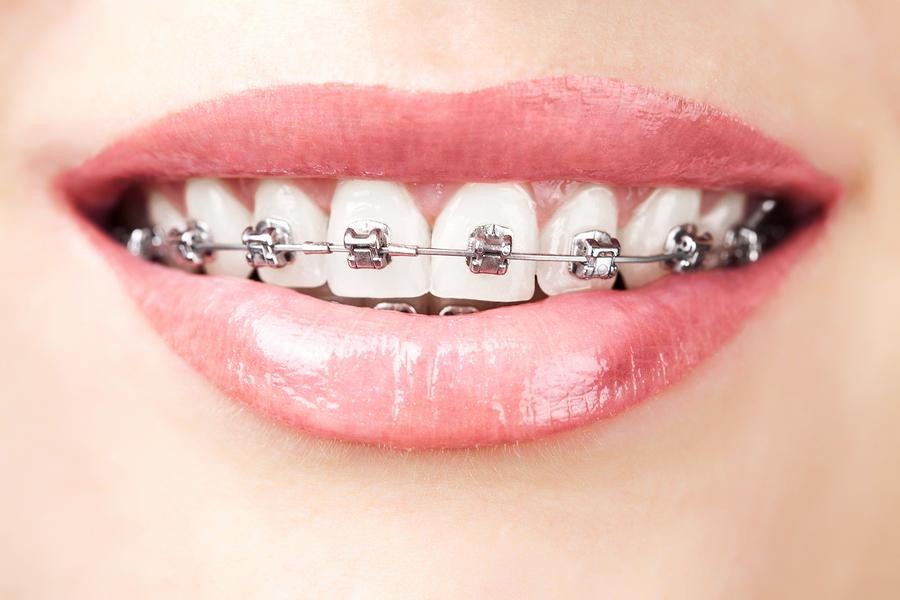
Braces and Beyond: Orthodontic Treatments for the Mouth

marydilip.info – Orthodontic treatment has evolved significantly over the years, offering a range of solutions designed to correct dental irregularities and improve both oral health and aesthetics. While traditional braces remain a popular choice, advancements in orthodontics have introduced innovative alternatives that cater to diverse needs and preferences. This article delves into various orthodontic treatments available today, highlighting how they contribute to enhancing the health and appearance of the mouth.

The Purpose of Orthodontic Treatments

Orthodontic treatments aim to correct misaligned teeth and jaws, addressing issues such as crowding, spacing, overbites, underbites, and crossbites. By aligning the teeth and jaws properly, these treatments improve the functionality of the mouth, facilitate better oral hygiene, and enhance the overall appearance of the smile.

Traditional Braces: A Time-Tested Solution

Metal Braces: Traditional metal braces are the most common form of orthodontic treatment. They consist of metal brackets affixed to the teeth and connected by wires and elastic bands. Over time, these components apply gentle pressure to move the teeth into their desired positions. Metal braces are highly effective for treating complex orthodontic issues and are often recommended for children and teenagers.

Ceramic Braces: Similar to metal braces, ceramic braces use brackets and wires but are made from tooth-colored or clear materials, making them less noticeable. They provide a more aesthetically pleasing option for individuals concerned about the appearance of traditional metal braces.

Modern Alternatives to Traditional Braces

Invisalign: Invisalign is a popular alternative to traditional braces, especially among adults and teens who prefer a discreet treatment option. Invisalign uses a series of clear, removable aligners custom-made to fit the patient’s teeth. The aligners gradually shift the teeth into place, offering the benefit of easy removal for eating and cleaning.

Lingual Braces: Lingual braces are similar to traditional braces but are placed on the inner surfaces of the teeth, making them virtually invisible from the outside. They provide an effective solution for those who require orthodontic treatment but want to maintain a natural appearance during the process.

Emerging Technologies in Orthodontics

Self-Ligating Braces: Self-ligating braces use a specialized clip instead of elastic bands to hold the wire in place, reducing friction and allowing for more efficient tooth movement. These braces often result in shorter treatment times and require fewer adjustments.

3D Imaging and Customization: Advances in digital technology, such as 3D imaging and computer-aided design, have revolutionized orthodontics. These technologies allow for precise planning and customization of treatment, ensuring optimal results tailored to each patient’s unique dental structure.

The Benefits of Orthodontic Treatment

Orthodontic treatment offers numerous benefits beyond a beautiful smile. Properly aligned teeth are easier to clean, reducing the risk of cavities and gum disease. Improved jaw alignment can alleviate issues such as jaw pain, speech problems, and difficulty chewing. Furthermore, a well-aligned bite contributes to the long-term health and stability of the teeth and gums.

Conclusion

Orthodontic treatments have come a long way, offering a variety of options to suit individual needs and preferences. Whether through traditional braces or modern alternatives like Invisalign and lingual braces, orthodontics plays a crucial role in enhancing both the function and aesthetics of the mouth. As technology continues to advance, patients can look forward to even more effective and comfortable solutions for achieving their ideal smile.

Beyond Beauty: Health Risks of Makeup Products

marydilip.info – In today’s world, makeup has become an essential part of daily routines for many individuals, enhancing natural features and boosting confidence. However, beneath the allure of vibrant colors and flawless finishes lies a realm of potential health risks associated with the use of various makeup products. It is crucial to understand these risks to make informed decisions about the cosmetics we choose to apply on our skin.

Understanding the Ingredients

One of the primary concerns with makeup products is the ingredients they contain. Many cosmetics are formulated with a cocktail of chemicals, some of which can pose serious health risks. Common ingredients like parabens, phthalates, and formaldehyde-releasing preservatives are often used as preservatives or to enhance the texture and longevity of the product. However, these chemicals have been linked to hormonal disruptions and other health issues. It is essential to read labels carefully and opt for products that use safer, natural alternatives whenever possible.

Allergic Reactions and Skin Irritations

Another significant health risk associated with makeup products is the potential for allergic reactions and skin irritations. Ingredients such as fragrances, dyes, and certain preservatives can trigger allergic responses in sensitive individuals, leading to redness, itching, and even more severe reactions like contact dermatitis. Conducting patch tests before trying a new product can help identify potential allergens and prevent adverse reactions.

The Impact on Respiratory Health

Makeup products, especially powders and sprays, can also affect respiratory health. The fine particles in these products can be inhaled, potentially causing respiratory issues over time. Talc, a common ingredient in many powdered products, has been under scrutiny for its possible links to respiratory problems and even cancer. Ensuring proper ventilation while applying makeup and opting for talc-free products can help mitigate these risks.

Long-term Health Concerns

Beyond immediate reactions, prolonged use of certain makeup products may contribute to more serious long-term health concerns. Some studies suggest that regular exposure to certain chemicals in cosmetics may increase the risk of developing cancer or reproductive issues. While the levels of these chemicals in individual products may be low, cumulative exposure over time is a concern that should not be overlooked.

Making Safer Choices

To minimize health risks, it is important to make informed choices when selecting makeup products. Opt for brands that prioritize transparency and safety, using natural and organic ingredients. Look for certifications from reputable organizations that verify the safety of cosmetic products. Additionally, maintaining good hygiene practices, such as regularly cleaning makeup brushes and replacing old products, can prevent bacterial growth and reduce the risk of skin infections.

Conclusion

While makeup can be a powerful tool for self-expression and confidence, it is vital to be aware of the potential health risks associated with its use. By understanding the ingredients, recognizing potential allergens, and making safer choices, individuals can enjoy the benefits of makeup while safeguarding their health. Remember, beauty should never come at the cost of well-being.

Laos’ Major Cities: Beyond Vientiane

marydilip.info – While Vientiane, the capital city of Laos, often takes the spotlight, the country is home to several other vibrant cities that offer unique cultural experiences and insights into Laotian life. Exploring these cities provides a broader understanding of Laos and its diverse heritage.

Luang Prabang: A Cultural Gem

Nestled in northern Laos, Luang Prabang is a city that seamlessly blends tradition with natural beauty. Recognized as a UNESCO World Heritage Site, Luang Prabang is known for its well-preserved architecture, including ancient temples and French colonial buildings. The city’s serene atmosphere, with its backdrop of misty mountains and the confluence of the Mekong and Nam Khan rivers, makes it a must-visit destination for those seeking cultural enrichment.

Savannakhet: A Blend of Old and New

Savannakhet, located in southern Laos, is the country’s second-largest city and an important commercial hub. The city’s architecture reflects its colonial past, with remnants of French influence evident in its buildings and streets. Savannakhet also boasts a growing modern infrastructure, making it a fascinating blend of the old and new. The city is a gateway for exploring the surrounding provinces, rich with natural beauty and historical sites.

Pakse: Gateway to the South

Pakse, situated at the confluence of the Xe Don and Mekong rivers, serves as the capital of Champasak Province. Known for its relaxed atmosphere, Pakse is the starting point for exploring the Bolaven Plateau, famous for its coffee plantations, waterfalls, and cool climate. The nearby Wat Phou, an ancient Khmer temple complex, provides a glimpse into the region’s historical significance and is another UNESCO World Heritage Site.

Thakhek: A Haven for Adventure

Located on the banks of the Mekong River, Thakhek is a city known for its natural attractions and adventure opportunities. It serves as a base for exploring the surrounding caves, limestone karsts, and national parks. The Thakhek Loop, a popular motorbike route, takes travelers through breathtaking landscapes and offers a chance to connect with the rural life of Laos.

Luang Namtha: A Gateway to Ecotourism

Luang Namtha, in the northwestern part of Laos, is a city that caters to eco-tourists and adventurers. Surrounded by dense forests and ethnic minority villages, it provides opportunities for trekking, cycling, and river kayaking. The Nam Ha National Protected Area, nearby, is a haven for biodiversity and traditional cultures, making Luang Namtha an ideal destination for those seeking an off-the-beaten-path experience.

Conclusion

Beyond Vientiane, Laos’ major cities offer a variety of experiences, from cultural exploration in Luang Prabang to adventure in Thakhek and ecotourism in Luang Namtha. Each city presents its own charm and attractions, contributing to the rich tapestry of Laotian culture and geography. Exploring these cities allows visitors to appreciate the diverse facets of Laos and its welcoming spirit.