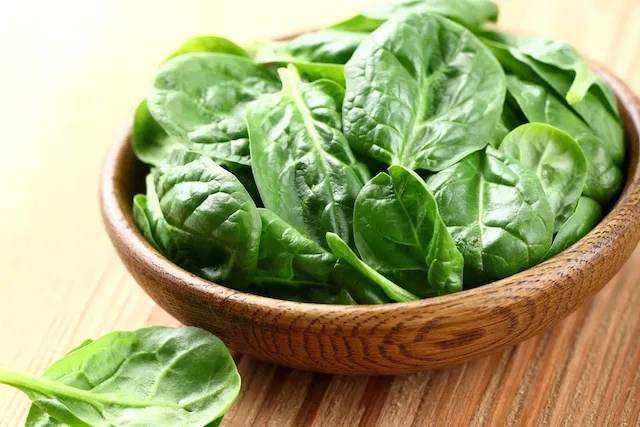
Spinach: The Leafy Green Superfood – Health Benefits

marydilip.info – Spinach, a leafy green vegetable, has long been celebrated for its nutritional value and versatility. From Popeye’s cartoonish strength to modern-day health trends, spinach has consistently been associated with a wide range of health benefits. In this article, we will delve into the nutritional profile of spinach, explore its various health benefits, and discuss how to incorporate it into your daily diet.

Nutritional Profile of Spinach

Spinach is a nutritional powerhouse, packed with essential vitamins, minerals, and antioxidants. Here’s a breakdown of its key nutrients:

  • Vitamin K: Essential for blood clotting and bone health.
  • Vitamin A: Important for vision, immune function, and cell growth.
  • Folate: A B-vitamin crucial for cell growth and development, particularly important during pregnancy.
  • Iron: Essential for oxygen transport in the blood.
  • Magnesium: Involved in numerous bodily functions, including muscle and nerve function.
  • Antioxidants: Spinach contains various antioxidants, including lutein and zeaxanthin, which promote eye health.

Health Benefits of Spinach

  1. Enhanced Vision:

    • The lutein and zeaxanthin in spinach help protect the eyes from damage caused by harmful blue light.
    • Regular consumption of spinach can reduce the risk of age-related macular degeneration.
  2. Boosted Immune System:

    • The vitamin C in spinach helps strengthen the immune system by combating harmful free radicals.
  3. Improved Blood Health:

    • The iron in spinach helps prevent iron deficiency anemia, which can lead to fatigue and other health problems.
    • The vitamin K in spinach is essential for blood clotting.
  4. Strong Bones:

    • The vitamin K and calcium in spinach support bone health, reducing the risk of osteoporosis.
  5. Digestive Health:

    • The fiber in spinach promotes healthy digestion, prevents constipation, and helps regulate blood sugar levels.

Incorporating Spinach into Your Diet

Spinach can be enjoyed in a variety of ways. Here are some ideas to incorporate it into your daily diet:

  • Raw Spinach: Add fresh spinach leaves to salads for a boost of nutrients and a crisp texture.
  • Sautéed Spinach: Sauté spinach with garlic and olive oil for a quick and easy side dish.
  • Spinach Smoothie: Blend spinach with fruits and yogurt for a nutritious and delicious smoothie.
  • Spinach Soups and Stews: Add spinach to soups and stews for a boost of flavor and nutrients.
  • Spinach Pasta: Incorporate spinach into pasta dishes, such as spinach and ricotta ravioli or spinach pesto.

Conclusion

Spinach, a versatile and nutrient-rich vegetable, has been a staple in diets for centuries. By incorporating it into your daily diet, you can reap the benefits of its essential nutrients and contribute to overall health and well-being. So, next time you’re looking for a healthy and delicious addition to your meals, consider the leafy green superfood, spinach.

Beyond Beauty: Health Risks of Makeup Products

marydilip.info – In today’s world, makeup has become an essential part of daily routines for many individuals, enhancing natural features and boosting confidence. However, beneath the allure of vibrant colors and flawless finishes lies a realm of potential health risks associated with the use of various makeup products. It is crucial to understand these risks to make informed decisions about the cosmetics we choose to apply on our skin.

Understanding the Ingredients

One of the primary concerns with makeup products is the ingredients they contain. Many cosmetics are formulated with a cocktail of chemicals, some of which can pose serious health risks. Common ingredients like parabens, phthalates, and formaldehyde-releasing preservatives are often used as preservatives or to enhance the texture and longevity of the product. However, these chemicals have been linked to hormonal disruptions and other health issues. It is essential to read labels carefully and opt for products that use safer, natural alternatives whenever possible.

Allergic Reactions and Skin Irritations

Another significant health risk associated with makeup products is the potential for allergic reactions and skin irritations. Ingredients such as fragrances, dyes, and certain preservatives can trigger allergic responses in sensitive individuals, leading to redness, itching, and even more severe reactions like contact dermatitis. Conducting patch tests before trying a new product can help identify potential allergens and prevent adverse reactions.

The Impact on Respiratory Health

Makeup products, especially powders and sprays, can also affect respiratory health. The fine particles in these products can be inhaled, potentially causing respiratory issues over time. Talc, a common ingredient in many powdered products, has been under scrutiny for its possible links to respiratory problems and even cancer. Ensuring proper ventilation while applying makeup and opting for talc-free products can help mitigate these risks.

Long-term Health Concerns

Beyond immediate reactions, prolonged use of certain makeup products may contribute to more serious long-term health concerns. Some studies suggest that regular exposure to certain chemicals in cosmetics may increase the risk of developing cancer or reproductive issues. While the levels of these chemicals in individual products may be low, cumulative exposure over time is a concern that should not be overlooked.

Making Safer Choices

To minimize health risks, it is important to make informed choices when selecting makeup products. Opt for brands that prioritize transparency and safety, using natural and organic ingredients. Look for certifications from reputable organizations that verify the safety of cosmetic products. Additionally, maintaining good hygiene practices, such as regularly cleaning makeup brushes and replacing old products, can prevent bacterial growth and reduce the risk of skin infections.

Conclusion

While makeup can be a powerful tool for self-expression and confidence, it is vital to be aware of the potential health risks associated with its use. By understanding the ingredients, recognizing potential allergens, and making safer choices, individuals can enjoy the benefits of makeup while safeguarding their health. Remember, beauty should never come at the cost of well-being.

Sierra Leone’s Health System: Past, Present, and Future

marydilip.info – Sierra Leone’s health system has undergone significant transformations over the past few decades, marked by both challenges and achievements. This article explores the historical context, current state, and future prospects of healthcare in Sierra Leone.

Historical Context

Pre-1993

Prior to 1993, Sierra Leone’s health system faced years of neglect, leading to a severe lack of infrastructure, resources, and trained personnel. The country’s health indicators were among the worst in the world, with high rates of maternal and child mortality, and limited access to basic healthcare services.

Health Reforms (1993-2014)

Starting in 1993, Sierra Leone embarked on a series of health reforms aimed at improving the overall health status of its population. These reforms included the decentralization of healthcare services, the introduction of community health workers, and the implementation of free healthcare for pregnant women, lactating mothers, and children under five years old. Despite these efforts, the country still faced significant challenges, including a lack of funding and human resources.

Ebola Outbreak (2014-2016)

The Ebola outbreak from 2014 to 2016 was a devastating blow to Sierra Leone’s health system. The epidemic exposed the vulnerabilities in the healthcare infrastructure and led to a significant loss of life. However, it also prompted international support and accelerated reforms aimed at strengthening the health system’s resilience and capacity to respond to future health crises.

Current State

Achievements

In recent years, Sierra Leone has made notable progress in several health indicators. The country has seen a decline in infant and under-five mortality rates, attributed to improved healthcare services and the reduction of morbidity and mortality from preventable diseases. The introduction of community health workers has also played a crucial role in extending healthcare services to remote areas.

Challenges

Despite these achievements, Sierra Leone’s health system still faces significant challenges. The country struggles with inadequate funding, a shortage of healthcare workers, and limited access to essential medicines and medical supplies. The ongoing COVID-19 pandemic has further strained the healthcare system, highlighting the need for continued investment and reform.

Future Prospects

Strategic Plans

Sierra Leone’s National Health Sector Strategic Plan 2021-2025 outlines a comprehensive approach to address the current challenges and build a more resilient health system. The plan focuses on improving healthcare infrastructure, enhancing the training and deployment of healthcare workers, and strengthening the health information system to better guide policy and program implementation.

International Support

International organizations, including the World Health Organization (WHO) and IMA World Health, continue to play a vital role in supporting Sierra Leone’s health system. These organizations provide technical assistance, funding, and resources to help the country achieve its health goals and improve the overall health status of its population.

Technological Advancements

The integration of technology in healthcare delivery is also seen as a key component of future reforms. Telemedicine and digital health solutions are being explored to improve access to healthcare services, especially in rural and underserved areas.

Conclusion

Sierra Leone’s health system has come a long way since the early 1990s, with significant improvements in health outcomes and the introduction of innovative healthcare models.