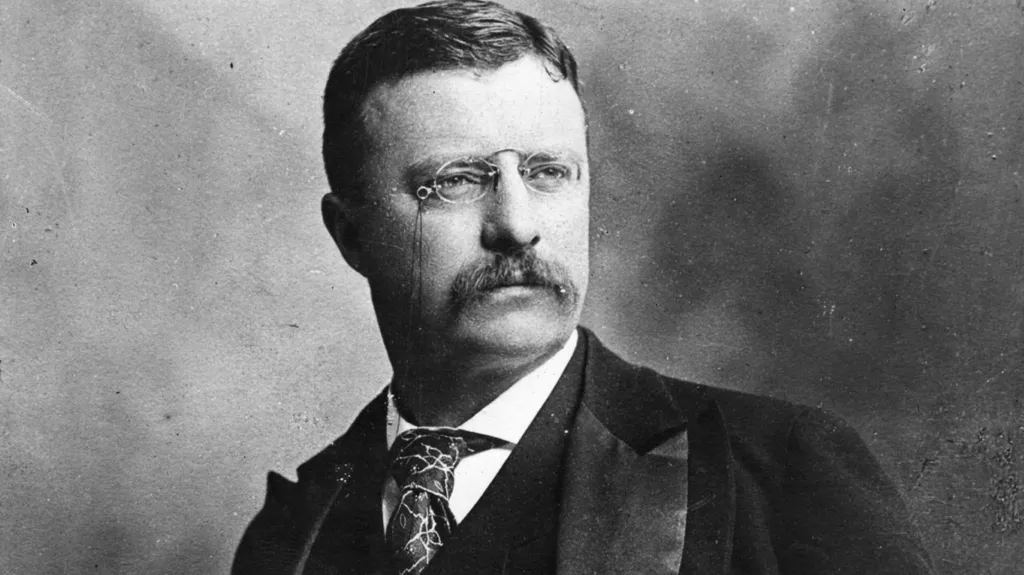
A Life Well Lived: The Adventures of Theodore Roosevelt

marydilip.info – Theodore Roosevelt, the 26th President of the United States, led a life full of adventure, passion, and unrelenting determination. Often characterized by his exuberant energy and unyielding optimism, Roosevelt approached every challenge with a vigor that set him apart from his peers and solidified his legacy as one of America’s most dynamic and transformative figures. His adventures spanned the globe and his life was a testament to the idea that living fully means engaging in the world with a bold heart and a restless spirit.

From his childhood battles with illness to his time as a war hero, his extraordinary presidency, and his later pursuits in exploration and writing, Theodore Roosevelt’s life was nothing short of legendary. He was a man who did not shy away from any opportunity, whether it was in the pursuit of knowledge, in the wilderness, in the political arena, or on the international stage. In this article, we will explore the many adventures of Theodore Roosevelt, illustrating how his life was a continuous journey of personal growth, national leadership, and global influence.

Early Adventures: Overcoming Adversity and Finding His Path

Childhood Struggles with Illness

Theodore Roosevelt was born on October 27, 1858, into a privileged family in New York City. Despite his affluent upbringing, Roosevelt’s early life was marred by significant physical challenges. As a child, he suffered from severe asthma, a condition that left him feeling weak and frail. This illness prevented him from participating in the typical childhood activities that most boys enjoyed. Instead of letting his physical limitations define him, Roosevelt was determined to overcome his struggles. His father, Theodore Roosevelt Sr., famously encouraged him to “make the best of it,” and this advice became a guiding principle for young Theodore.

Roosevelt’s early adventures were centered on his pursuit of better health. He embraced physical activities like boxing, weightlifting, hiking, and horseback riding as a means of building strength. By doing so, he not only overcame his asthma but also developed a lifelong passion for physical fitness and outdoor adventure. His commitment to the “strenuous life” became a defining characteristic of his personality and philosophy, motivating him throughout his life to engage with the world with energy and resilience.

The Adventurer in the Badlands

Theodore Roosevelt’s childhood adversity shaped his desire for personal growth, but it was his experiences in the American West that would help define his sense of adventure and his lifelong love of nature. In the early 1880s, following a series of personal tragedies—the death of his mother and his first wife—Roosevelt sought solace in the wilderness. He left New York behind and ventured to the Badlands of North Dakota, where he purchased a ranch and immersed himself in the rugged life of a frontier cowboy.

In the Badlands, Roosevelt engaged in a range of physical activities, including cattle ranching, hunting, and horseback riding. His time in the West provided him with the opportunity to strengthen his body and his mind, teaching him valuable lessons about leadership, resilience, and the challenges of life in the wilderness. During this period, Roosevelt also developed his deep love for conservation, an interest that would guide much of his political career. He observed the exploitation of natural resources and became an advocate for the protection of America’s wild lands.

Roosevelt’s time in the Badlands also provided him with the chance to hone his writing skills. He wrote about his experiences, publishing books such as Ranch Life and the Hunting Trail and The Wilderness Hunter, which chronicled his adventures in the West. These writings cemented Roosevelt’s reputation as an adventurer and intellectual, one who was not only physically active but also intellectually engaged with the world around him.

The Adventurous Politician: Leadership and Reform

A Hero in the Spanish-American War

Roosevelt’s sense of adventure was not limited to his personal life; it also fueled his political career. In 1898, when the Spanish-American War broke out, Roosevelt saw the opportunity to combine his passion for action with his political ambitions. At the time, he was serving as Assistant Secretary of the Navy under President William McKinley. Roosevelt was instrumental in preparing the U.S. Navy for war, but he longed for the chance to serve on the front lines.

In an extraordinary move, Roosevelt resigned his position as Assistant Secretary and organized a volunteer cavalry unit, known as the Rough Riders. Composed of cowboys, Native Americans, and college athletes, the Rough Riders fought bravely in Cuba during the war. Roosevelt’s leadership during the famous Battle of San Juan Hill propelled him to national fame. His courage and strategic acumen on the battlefield earned him the admiration of the American public and solidified his status as a war hero.

The Spanish-American War also marked the beginning of Roosevelt’s rise to the national political stage. His military service and public popularity helped propel him to the governorship of New York in 1898. This marked the start of his political career as a reformer and a champion of progressive ideals. Roosevelt’s time in the Rough Riders exemplified his deep belief that life should be lived with enthusiasm, and it was this same zest for life that he carried into his political endeavors.

A Bold Presidency: “Bully for Roosevelt!”

Theodore Roosevelt’s presidency (1901–1909) was characterized by his sense of adventure, bold decision-making, and willingness to take on the challenges of his time. Upon assuming the office following the assassination of President William McKinley, Roosevelt quickly set about using the presidency as a platform for reform and progress.

Roosevelt believed in an active, hands-on approach to governance. He viewed the presidency as a “bully pulpit,” using the office to promote his vision of a stronger, more equitable America. One of his first major acts was to take on corporate monopolies that had a stranglehold on the nation’s economy. Roosevelt’s “trust-busting” efforts broke up powerful corporations that were exploiting workers and stifling competition, a bold move that earned him both praise and criticism.

His presidency also marked significant advancements in social welfare and conservation. Roosevelt pushed for legislation to protect consumers, improve working conditions, and regulate food safety. He was instrumental in the creation of the national parks system and the establishment of the U.S. Forest Service, which helped preserve millions of acres of public land for future generations. His commitment to conservation was one of the defining elements of his presidency, and his work laid the groundwork for the modern environmental movement.

In foreign affairs, Roosevelt was just as adventurous. His famous slogan “Speak softly and carry a big stick” epitomized his approach to diplomacy. Roosevelt believed in asserting American power on the global stage, and his role in negotiating peace between Russia and Japan earned him the Nobel Peace Prize in 1906. He also oversaw the construction of the Panama Canal, a monumental engineering project that connected the Atlantic and Pacific Oceans and revolutionized global trade.

The Adventurer in Later Life: Exploration and Writing

A Return to Exploration

Even after leaving the White House, Theodore Roosevelt’s life continued to be defined by adventure. In 1913, at the age of 55, Roosevelt embarked on one of the most daring expeditions of his life. He traveled to the Amazon River Basin in South America on a scientific exploration mission, a trip that would test his physical endurance and his resolve like never before. Accompanied by a team of scientists and naturalists, Roosevelt navigated treacherous rivers and jungles, battling illness, dangerous wildlife, and harsh conditions. The expedition was a grueling one, and Roosevelt’s health was severely compromised, but he completed the journey and later chronicled his experiences in the book Through the Brazilian Wilderness.

The Amazon expedition demonstrated Roosevelt’s belief that life was meant to be lived boldly. Despite his declining health, he showed a remarkable willingness to continue challenging himself and engaging with the world around him. His exploration of the Amazon also solidified his role as one of the most adventurous and fearless leaders in American history.

A Prolific Writer and Historian

Throughout his life, Roosevelt was not only an adventurer but also a prolific writer. He wrote extensively about his experiences in the wilderness, in politics, and in history. His books include The Rough Riders, A Ranchman’s Rifle, The Winning of the West, and his monumental work The Naval War of 1812. Roosevelt’s writings revealed his deep intellectual curiosity and his love of storytelling, and his literary contributions remain an important part of his legacy.

His writing was not limited to the personal accounts of his travels or the memoirs of his political career. Roosevelt also wrote histories of the American Revolution and the War of 1812, examining the country’s past with a historian’s eye. His intellectual pursuits, combined with his adventurous spirit, made Roosevelt one of the most well-rounded and multifaceted leaders in American history.

Conclusion: A Life Well Lived

Theodore Roosevelt’s life was a testament to the idea that living fully means engaging with the world in every way possible. From his childhood battle with illness to his time as a war hero, president, and explorer, Roosevelt’s adventurous spirit defined his character and shaped his legacy. His tireless pursuit of self-improvement, his dedication to public service, and his belief in the importance of personal strength and resilience all played a role in making him one of the most impactful figures in American history.

Roosevelt’s life exemplified the idea that greatness comes not from avoiding difficulty, but from facing it head-on with courage, enthusiasm, and a relentless drive to make a difference. His motto, “Bully for you!” encapsulated his approach to life: one of boldness, vigor, and an unshakeable belief that the best way to live was to throw oneself into the arena of life without hesitation. Theodore Roosevelt’s life, marked by countless adventures and enduring contributions to his country and the world, remains an inspiration for all those who seek to live a life of purpose and action.
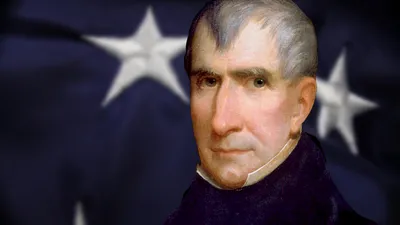
William Henry Harrison: From Soldier to President

marydilip.info – William Henry Harrison, the 9th President of the United States, is often remembered for his incredibly brief presidency, lasting only 31 days. However, his rise to the nation’s highest office was anything but brief. Harrison’s journey from a soldier on the front lines to the White House is a fascinating tale of military service, political ambition, and the complexities of early American life. His military prowess, political savvy, and personal character shaped much of his legacy, and his path to the presidency reveals much about the era in which he lived.

Early Life and Background

William Henry Harrison was born on February 9, 1773, in Berkeley Plantation, Virginia, into a family with a rich political heritage. His father, Benjamin Harrison V, was a signer of the Declaration of Independence and later served as Governor of Virginia. The Harrison family was well-connected, providing William Henry with a privileged upbringing, yet his early life was one of transition and change.

Harrison’s formal education began at the College of New Jersey (now Princeton University), though he did not finish his studies there. Instead, at the age of 18, Harrison left school to pursue a career in medicine, training under a local physician. However, his path would soon take a different turn when he was offered a commission in the United States Army in 1791 during the Northwest Indian War, which would become the beginning of his military career.

The Military Career: Soldiering on the Front Lines

Harrison’s decision to join the army was influenced by the opportunity to serve his country and defend its frontier. In 1791, at the age of 18, he was appointed an ensign in the U.S. Army, and he quickly proved himself as a capable officer. His early service was marked by his involvement in the struggles against Native American tribes in the Ohio River Valley, a region that was central to the United States’ expansion.

Harrison’s first notable military engagement came during the campaign to retake the western territories from Native American control. In 1794, he was promoted to lieutenant and was stationed at Fort Washington (present-day Cincinnati), where he became deeply involved in the ongoing conflicts. He fought in the Battle of Fallen Timbers, a pivotal victory that secured American control over the Northwest Territory. This success established Harrison as a rising military star.

The Battle of Tippecanoe and National Recognition

Harrison’s military career reached its pinnacle in 1811 during the War of 1812. Before the war formally broke out, Harrison, who by then was the Governor of the Indiana Territory, became involved in a series of conflicts with Native American tribes who opposed American expansion. The most significant of these was the Battle of Tippecanoe, fought on November 7, 1811.

In the early 1800s, Tecumseh, a Shawnee chief, had united several Native American tribes in the region to resist American encroachment. His brother, Tenskwatawa (the Prophet), led a spiritual movement against the American settlers. In response to these growing tensions, Harrison led an expedition to confront the Native Americans at Tippecanoe, a settlement in what is now Indiana. The ensuing battle was fierce, and although Harrison’s forces won, the battle was costly in terms of casualties and its aftermath.

The victory at Tippecanoe made Harrison a national hero and earned him the moniker “Old Tippecanoe.” The battle’s significance, combined with his military service, propelled Harrison into the national spotlight. It also set the stage for his future political career, as he became a symbol of American expansion and military prowess.

Political Rise and the Indiana Territory

Harrison’s military success helped launch his political career. In 1800, President John Adams appointed him as the Governor of the Indiana Territory, a position he would hold for over a decade. As governor, Harrison’s primary role was overseeing the settlement of American land and managing relations with Native American tribes. His work in this capacity helped open up the frontier to American settlers and solidified his reputation as a capable administrator.

Harrison’s tenure as governor was marked by his persistent efforts to negotiate land treaties with Native American tribes, although many of these agreements were often contentious. He presided over the formation of several new states in the western frontier, including Indiana, which achieved statehood in 1816.

During his time in the Indiana Territory, Harrison’s political ambitions began to take shape. He won election to the U.S. House of Representatives in 1816 and served a term in Congress, where he began to align himself with the interests of land expansion, the American frontier, and the protection of settlers’ rights.

The 1820s and 1830s: Harrison’s Political Return

After a brief period out of the national spotlight, Harrison returned to political life in the 1820s and 1830s. He was elected to the U.S. Senate in 1824, where he joined the ranks of prominent Whigs such as Henry Clay and Daniel Webster, advocating for internal improvements, a strong national bank, and protective tariffs. His time in Washington was marked by his ability to forge political alliances and appeal to the interests of the growing Western and Southern territories.

Harrison’s political positions, especially his advocacy for expansion and economic growth, earned him respect among both Whigs and many Democratic-Republicans. He ran for the presidency in 1836, but his efforts were thwarted by the incumbent, Martin Van Buren. However, Harrison’s political resilience and growing popularity would set the stage for his final and most successful presidential campaign.

The 1840 Presidential Election: A Remarkable Comeback

By 1840, Harrison was a seasoned politician with decades of experience. His reputation as a military hero and statesman was well established, and he decided to run for president once again. The Whig Party, eager to challenge Van Buren’s administration, nominated Harrison to run for president. At 67 years old, he was the oldest presidential candidate in history at the time, which became a key talking point during the election.

Harrison’s campaign strategy was centered around his image as a man of the people. The Whigs presented him as a humble frontiersman who had lived a simple, rugged life, in contrast to Van Buren, who was portrayed as an out-of-touch aristocrat. The campaign slogan “Tippecanoe and Tyler Too,” referring to his military victory at Tippecanoe and his running mate, John Tyler, resonated with the public. The campaign utilized new tactics, such as mass rallies, parades, and slogans, which were innovative for their time.

The 1840 election was one of the first to employ modern political campaign techniques, and Harrison triumphed over Van Buren in a landslide, winning both the popular and electoral vote. His victory marked the first time the Whig Party captured the presidency.

The Presidency and Its Tragic End

Harrison’s presidential inauguration took place on March 4, 1841, and he made history as the oldest man to become president at the time. His inauguration was a grand affair, with Harrison delivering one of the longest inaugural addresses in American history. However, the cold and windy weather that day took a toll on Harrison’s health. He contracted a severe cold, which quickly developed into pneumonia.

Just 31 days into his presidency, on April 4, 1841, Harrison succumbed to his illness and passed away, making his term the shortest in U.S. history. His sudden death led to a constitutional crisis, with questions about the legitimacy of Vice President John Tyler’s assumption of the presidency.

Legacy: A Heroic, Yet Brief Presidency

Though his presidency was cut short, William Henry Harrison’s legacy endures in American history. He is remembered as a military hero and a symbol of American expansion and perseverance. His death marked a turning point in the understanding of presidential succession and the nation’s political practices. The clarity that followed regarding the procedures for replacing a deceased president would ultimately lead to the passage of the 25th Amendment in 1967.

Harrison’s journey from soldier to president reflects the themes of early American life—struggles for expansion, the importance of military leadership, and the emergence of populist politics. His brief time in office and his legacy as a war hero made him a lasting figure in the annals of U.S. history.

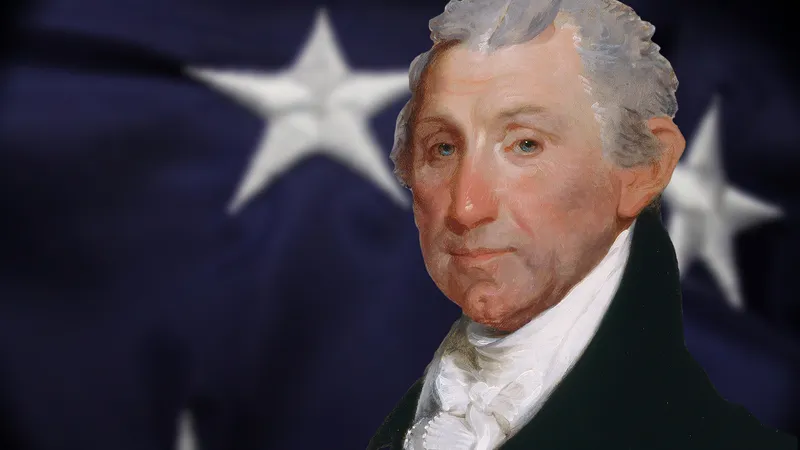
The Life and Times of James Monroe – Early Life

marydilip.info – James Monroe, the fifth president of the United States, led the country through a significant period of growth and national unity, known as the “Era of Good Feelings.” Monroe’s legacy as a statesman, diplomat, and president is often overshadowed by his more famous contemporaries, such as Thomas Jefferson and Andrew Jackson. Yet, Monroe’s contributions to the formation of the nation’s political identity, foreign policy, and territorial expansion are undeniable. From his military service during the Revolutionary War to his presidency, Monroe’s life provides a fascinating glimpse into the development of early American politics.

Early Life: A Humble Beginning

Birth and Family Background

James Monroe was born on April 28, 1758, in Westmoreland County, Virginia, to a modest family. His father, Spence Monroe, was a farmer who passed away when James was just 16, leaving his mother, Elizabeth, to raise him and his siblings. Though they were not wealthy, Monroe’s family was part of Virginia’s gentry, and his father’s early death did not leave Monroe destitute.

Monroe’s early years were marked by hard work, but he was also fortunate enough to receive an education. He attended the College of William & Mary in Williamsburg, Virginia, before leaving to serve in the Revolutionary War. His experience at the university would influence his later involvement in the development of the nation’s legal and political systems.

Military Service During the American Revolution

Monroe’s military service in the Continental Army during the American Revolution was formative, both in shaping his political ideals and in his personal development. Monroe enlisted at the age of 18 in 1776, serving as a second lieutenant in the 3rd Virginia Regiment. He fought in some of the most significant battles of the war, including the Battle of Trenton, where he was wounded by a musket ball.

Monroe’s experiences in the war instilled in him a deep sense of patriotism and a lifelong commitment to American independence. His time on the battlefield shaped his views on national defense, military leadership, and the importance of a unified republic. In fact, his military service became a cornerstone of his future political career, giving him credibility as a leader in both Virginia and on the national stage.

Political Beginnings

Early Political Career

After the war, Monroe returned to Virginia, where he studied law under Thomas Jefferson’s mentor, George Wythe. In 1782, Monroe was elected to the Virginia House of Delegates, marking the beginning of his long and varied political career. His early years in politics were influenced by the ideals of the American Revolution—particularly republicanism and a belief in the importance of individual liberties.

Monroe quickly gained a reputation as an advocate for the common people, supporting policies that would provide economic relief for farmers and promote westward expansion. He was elected to the Continental Congress in 1783, and it was during this time that he became a vocal proponent of strengthening the national government, a stance that ultimately led him to support the U.S. Constitution.

U.S. Senate and Governor of Virginia

Monroe was elected to the U.S. Senate in 1790, where he served until 1794. While in the Senate, Monroe took an active role in foreign policy, including advocating for the French Revolution and opposing the Federalist policies of Alexander Hamilton and John Adams. His support for the French Revolution put him at odds with many in the U.S. government, particularly during the presidency of George Washington, and he was eventually recalled from his post as ambassador to France.

Monroe’s relationship with Washington deteriorated during this period, but his political fortunes improved when he returned to Virginia and was elected governor in 1799. As governor, Monroe worked to promote internal improvements and to stabilize Virginia’s economy after the Revolutionary War. His time as governor was significant not only for his leadership within Virginia but also for his broader influence on national policies that would eventually come to fruition during his presidency.

Diplomacy and Key Appointments

Ambassador to France and Spain

Monroe’s diplomatic career was perhaps his most defining feature before he became president. In 1794, President Washington appointed him to be the U.S. Minister to France. During his time in Paris, Monroe developed a deep admiration for the French Revolution, which led to tensions with President Washington’s administration. Monroe’s diplomatic style, characterized by a firm defense of American interests, often clashed with the more cautious approach favored by Washington and his successor, John Adams.

In 1803, Monroe was sent to France once again, this time to help negotiate the purchase of the Louisiana Territory. His efforts, along with those of his fellow diplomat Robert Livingston, resulted in the historic Louisiana Purchase, which effectively doubled the size of the United States and secured the country’s future as a continental power.

Monroe’s diplomatic success continued when he was sent to Spain to negotiate over Florida. In 1819, he and his Spanish counterpart, Luis de Onís, negotiated the Adams-Onís Treaty, in which Spain ceded Florida to the United States and agreed to set a boundary between U.S. and Spanish territories in North America. The treaty was a significant diplomatic achievement, consolidating U.S. territory and expanding the nation’s influence on the continent.

Secretary of State and War

Before becoming president, Monroe served as Secretary of State under President James Madison from 1811 to 1814. During the War of 1812, Monroe was also appointed Secretary of War, a position that gave him direct responsibility for overseeing military operations against the British.

Monroe’s leadership during the War of 1812 is often noted for his efforts to restore morale and strengthen the country’s military readiness. Although the war ended in a stalemate with the Treaty of Ghent (1814), Monroe’s handling of war matters gained him considerable respect.

The Presidency: A Time of National Unity

The “Era of Good Feelings”

Monroe’s presidency, from 1817 to 1825, is often referred to as the “Era of Good Feelings,” a period marked by national unity and political harmony. The Federalist Party had essentially faded from the political landscape, leaving the Democratic-Republican Party as the dominant political force. Monroe’s administration was able to navigate a range of issues—economic development, territorial expansion, and foreign policy—without the deep partisan divides that had characterized previous administrations.

The Monroe Doctrine

One of the most enduring legacies of Monroe’s presidency is the Monroe Doctrine, which he articulated in 1823. This foreign policy doctrine declared that the Western Hemisphere was no longer open to European colonization and that any European intervention in the Americas would be viewed as a hostile act against the United States. The Monroe Doctrine was a bold assertion of U.S. power and had long-lasting implications for American foreign policy, establishing the U.S. as a dominant force in the Western Hemisphere.

Domestic Achievements and Challenges

Monroe’s presidency also saw significant domestic achievements, particularly in the areas of economic development and territorial expansion. Monroe supported the development of internal improvements, including roads, canals, and infrastructure projects, which helped to connect the expanding nation. However, the nation faced ongoing tensions over the issue of slavery, which would eventually lead to the Civil War.

The Missouri Compromise of 1820 was a critical piece of legislation passed during Monroe’s presidency. It allowed Missouri to enter the Union as a slave state while admitting Maine as a free state, maintaining a balance between North and South. The compromise temporarily eased tensions, but it underscored the growing sectional divides in the country.

The Acquisition of Florida and Territorial Expansion

Monroe’s presidency was marked by significant territorial expansion. In addition to the Adams-Onís Treaty that secured Florida, Monroe’s administration oversaw the expansion of the United States’ borders westward. Monroe’s vision of an expanding nation, free from European interference, became a defining feature of his presidency.

Later Life and Legacy

Post-Presidency and Death

After leaving office, Monroe retired to his home, Ash Lawn-Highland, in Virginia. He lived a quiet life but remained active in politics, offering advice and insight to future generations of American leaders. Monroe’s later years were overshadowed by personal hardships, including financial difficulties. He died on July 4, 1831, at the age of 73—remarkably, just five years after the deaths of Thomas Jefferson and John Adams, both of whom had been pivotal figures in the nation’s founding.

Monroe’s Legacy

Monroe’s legacy is multifaceted. His presidency helped to define the American approach to foreign policy, especially through the Monroe Doctrine, which shaped U.S. relations with Europe and Latin America for over a century. His support for westward expansion and internal improvements helped lay the groundwork for the United States’ growth as a continental power.

While Monroe’s presidency was marked by relative peace and prosperity, it also highlighted the deepening divides over issues like slavery and sectionalism that would later erupt into the Civil War. Nonetheless, Monroe’s leadership during the “Era of Good Feelings” represents a key moment in American history when national unity and optimism were at their peak.

Conclusion

James Monroe’s life and times spanned some of the most formative years in the history of the United States. His contributions as a soldier, diplomat, governor, and president helped to shape the country’s political identity, its territorial boundaries, and its place in the world. Monroe’s legacy as a statesman, particularly through the Monroe Doctrine, continues to resonate in American foreign policy today. His life serves as a reminder of the dedication, vision, and challenges faced by the early leaders of the American republic.

Anne Frank: The Voice of the Holocaust – Early Life

marydilip.info – Anne Frank, a Jewish girl whose life was tragically cut short during the Holocaust, has become one of the most iconic figures representing the human cost of World War II. Her poignant diary, written while hiding from the Nazis, is a testament to the strength of the human spirit, the horrors of war, and the enduring power of words. Anne’s story continues to inspire millions around the world and serves as a crucial reminder of the consequences of prejudice, hatred, and intolerance.

This article explores Anne Frank’s life, her time in hiding, the publication of her diary, and her lasting impact on the world.

Early Life of Anne Frank

Anne Frank was born on June 12, 1929, in Frankfurt, Germany, to Otto Frank and Edith Frank. She had one older sister, Margot, who was born in 1926. The Frank family was originally from Germany, but they fled to the Netherlands in 1933, after Adolf Hitler came to power and the Nazis began persecuting Jews. The family settled in Amsterdam, where Otto Frank worked as a businessman and the family lived a relatively peaceful life in comparison to the growing tensions in Germany.

The Rise of Anti-Semitism and the Frank Family’s Move to Amsterdam

The rise of Nazi power and the increasing discrimination against Jews in Germany were major factors in the Frank family’s decision to move to the Netherlands. Initially, the family found refuge in Amsterdam, where Anne attended school and enjoyed a relatively happy childhood. However, in 1940, the Nazis invaded the Netherlands, and the situation for Jewish people worsened dramatically. Anti-Semitic laws were implemented, and Jews were forced into increasingly restrictive living conditions.

The Frank Family’s Flight to Hiding

In 1942, as the war escalated and the persecution of Jews intensified, Anne’s sister Margot received a summons to report to a Nazi labor camp. The Frank family realized that their lives were in imminent danger. They decided to go into hiding in the “Secret Annex,” a hidden space located behind Otto Frank’s business in Amsterdam. They were joined by another Jewish family, the Van Pels, and later by Fritz Pfeffer, a dentist. The family was helped by Otto Frank’s employees and other trusted individuals who risked their lives to provide food, supplies, and information.

The Secret Annex: Anne’s Life in Hiding

The Frank family and their fellow refugees spent more than two years in hiding, living in constant fear of discovery. The small, cramped quarters of the Secret Annex became their refuge, where they had to remain silent during the day to avoid detection by the building’s workers. Anne, who had just turned 13 when the family went into hiding, spent much of this time writing in her diary, which she had received as a gift on her birthday.

Writing in the Diary

Anne Frank’s diary, known as The Diary of a Young Girl, was her constant companion during the time she spent in hiding. She wrote about her thoughts, emotions, experiences, and her relationships with the other people in the annex. She also recorded her deep personal reflections on the world around her, as well as her aspirations and frustrations. The diary allowed Anne to process her difficult and often terrifying circumstances, and it became a safe space where she could express herself freely.

In the diary, Anne also reflected on her own growth as a person, sharing her ambitions to become a writer and the challenges of growing up in such an extraordinary and difficult time. She was highly introspective, and her observations revealed a sharp, mature understanding of the complexities of human nature and the devastating effects of hatred and prejudice.

The People in the Secret Annex

Life in the Secret Annex was far from easy. The people in hiding were forced to live in close quarters and rely on each other for support and survival. Tensions often ran high, as the individuals had to cope with fear, scarcity, and the strain of living under constant threat.

Anne’s relationships with the other members of the annex were complex. She had a close bond with her sister Margot, although they often lived in each other’s shadows. Anne’s relationship with her mother, Edith, was more strained, and she often expressed frustration with her mother’s quiet and passive demeanor. Her relationship with her father, Otto Frank, was much closer, and he became a source of support and encouragement for her throughout their time in hiding.

Anne also developed a close, complicated relationship with Peter Van Pels, the teenage son of the family who was hiding with them. While their relationship was initially awkward, over time, Anne and Peter began to confide in each other and share their thoughts and feelings.

The Role of the Helpers

Anne’s family and their companions in hiding were able to survive in large part due to the help of a group of trusted individuals who risked their lives to provide food, supplies, and information. The Frank family’s most important helpers included Miep Gies and her husband Jan, who worked for Otto Frank and brought supplies to the annex. Other helpers included Victor Kugler, Johannes Kleiman, and Gerrit van der Veen, who all supported the family’s efforts to stay hidden from the Nazis.

These individuals risked their own lives to help the Franks and others in hiding, demonstrating incredible courage and humanity in the face of one of history’s darkest periods.

The Arrest and Deportation

On August 4, 1944, the unthinkable happened: the Frank family’s hiding place was betrayed. The police raided the Secret Annex, arresting all of its occupants. The exact identity of the person who betrayed them is still a subject of debate, but it is believed that someone informed the Gestapo of the Frank family’s location.

Anne and her family were taken to the Westerbork transit camp in the Netherlands and later deported to Auschwitz, the notorious Nazi concentration and extermination camp. After a brief time in Auschwitz, Anne and her sister Margot were transferred to the Bergen-Belsen concentration camp in Germany. It was in Bergen-Belsen, in March 1945, that Anne and Margot both died from typhus, just weeks before the camp was liberated by Allied forces.

The Publication of Anne Frank’s Diary

Anne Frank’s diary was found by Miep Gies, one of the helpers who had assisted the Frank family during their time in hiding. Miep discovered the diary after the arrest and kept it safe. In 1947, after the war, Otto Frank, the sole surviving member of the family, worked with a publisher to have Anne’s diary published. The book was initially published in Dutch under the title Het Achterhuis (The House Behind), and later translated into numerous languages. The English translation was published in 1952 under the title The Diary of a Young Girl.

The diary quickly gained widespread attention, and Anne’s powerful words became a symbol of the Holocaust. Her reflections on the horrors of war, her hopes for a better world, and her courage in the face of unimaginable adversity resonated with readers of all ages and backgrounds. Anne Frank’s diary has since become one of the most widely read and influential books in the world, reaching millions of readers and preserving Anne’s legacy for future generations.

Anne Frank’s Legacy

Anne Frank’s diary is not just a record of one girl’s life during the Holocaust; it is a profound and universal testament to the resilience of the human spirit and the impact of hatred and discrimination. Through her writing, Anne has become a voice for the millions of people who suffered and died during the Holocaust.

The Anne Frank House and Museum

Today, the Anne Frank House in Amsterdam serves as a museum dedicated to her life and legacy. Visitors can tour the Secret Annex, where Anne and her family lived in hiding, and learn about Anne’s life, her writing, and the history of the Holocaust. The museum is a place of reflection, education, and remembrance, ensuring that Anne Frank’s story continues to resonate with people around the world.

Anne Frank’s Impact on Education and Remembrance

Anne Frank’s diary has had a lasting impact on Holocaust education, and her story is included in school curricula around the world. Her words continue to inspire conversations about prejudice, tolerance, and human rights, and her legacy serves as a reminder of the importance of combating hatred and intolerance in all forms.

Through her diary, Anne Frank has given a voice to the countless victims of the Holocaust, reminding us of the power of memory and the importance of ensuring that such atrocities are never forgotten.

Conclusion

Anne Frank’s life and legacy serve as a poignant reminder of the horrors of the Holocaust, the resilience of the human spirit, and the enduring power of words. Through her diary, Anne Frank has become an icon of hope, humanity, and the fight against hatred. Her story continues to inspire millions, urging us to stand up for justice, equality, and human dignity.

Cristiano Ronaldo: The Journey of a Football Icon

marydilip.info – Cristiano Ronaldo is widely regarded as one of the greatest footballers of all time. Known for his unparalleled work ethic, extraordinary skill, and relentless drive, he has achieved extraordinary success both at the club and international levels. Over the course of his illustrious career, Ronaldo has become an international symbol of excellence in sports, inspiring millions of fans and aspiring athletes around the world.

Early Life and Beginnings in Football

Cristiano Ronaldo dos Santos Aveiro was born on February 5, 1985, in Funchal, Madeira, an archipelago off the coast of Portugal. Growing up in a modest household, Ronaldo’s early life was far from glamorous. His father, José Dinis Aveiro, was a municipal gardener, and his mother, Maria Dolores dos Santos Aveiro, worked as a cook. Ronaldo had three siblings, and their family struggled financially.

Discovering Football in Madeira

Ronaldo’s passion for football emerged at a young age. He started playing football with his friends in the streets of Funchal, demonstrating his incredible talent early on. At the age of 8, he joined Andorinha, a local club, where his father worked as a kit man. His natural abilities quickly stood out, and by the age of 12, he moved to Nacional, another local club in Madeira.

Moving to Sporting CP: A Leap Towards Professionalism

At 12 years old, Ronaldo made a bold decision to move from Madeira to Lisbon to join the youth academy of Sporting CP, one of Portugal’s most prestigious football clubs. This marked the beginning of his serious pursuit of a football career. The transition was difficult for Ronaldo, as he was separated from his family and had to adjust to a new environment. However, his commitment and love for the game drove him to excel at Sporting CP, and by the age of 16, he made his debut for the senior team.

Rise to Stardom: Joining Manchester United

Ronaldo’s breakthrough came in 2003, when he was scouted by Sir Alex Ferguson, the legendary manager of Manchester United. The occasion that sealed his move to England was a match between Sporting CP and Manchester United in which Ronaldo’s performance impressed the United players and coaching staff. Following this match, Ferguson moved quickly to secure Ronaldo’s signature, making him one of the most exciting young prospects in world football.

The Premier League Era: Early Years at Manchester United

In 2003, at just 18 years old, Ronaldo signed with Manchester United for a then-record fee for a teenager—£12.24 million. His early years at the club were marked by rapid development. Initially, he struggled to find consistency but quickly demonstrated his exceptional flair, dribbling skills, and ability to score goals. Under the mentorship of Ferguson, Ronaldo transformed into one of the best players in the world.

Winning His First Ballon d’Or

Ronaldo’s breakthrough came in the 2007-2008 season when he scored 42 goals across all competitions, leading Manchester United to the Premier League title and the UEFA Champions League trophy. His performances that season earned him the prestigious Ballon d’Or in 2008, cementing his place as one of the top footballers globally.

During his time at Manchester United, Ronaldo developed a fierce competitive spirit and a reputation as one of the most physically gifted players in football. His work ethic, combined with his natural talent, made him nearly unstoppable. His incredible performances for United included countless thrilling goals, dazzling dribbles, and vital assists.

A New Challenge: Moving to Real Madrid

In 2009, Ronaldo made a high-profile move to Real Madrid for a then-world record transfer fee of €94 million. The move to Spain was a significant step in Ronaldo’s career, as he joined one of the most storied clubs in football history. At Real Madrid, Ronaldo would go on to achieve even greater success, further solidifying his legacy as one of the best players of all time.

Domination in Spain: Ronaldo’s Incredible Real Madrid Journey

At Real Madrid, Ronaldo’s performances reached new heights. His goal-scoring ability became legendary, and his partnership with players such as Karim Benzema and Luka Modrić created a formidable attacking force. Ronaldo’s arrival in Madrid marked the beginning of a new era of dominance for the club.

He led Real Madrid to numerous victories, including four Champions League titles (2014, 2016, 2017, and 2018) and two La Liga titles. Ronaldo’s success at the club also included four more Ballon d’Or awards, bringing his total to five, more than any player in history except for Lionel Messi.

Records and Achievements at Real Madrid

Ronaldo’s time at Real Madrid was marked by a series of individual records and team successes. He became the club’s all-time top scorer with 450 goals in 438 appearances, solidifying his place in the club’s history. His ability to score in nearly every competition he played in—whether it was in La Liga, the UEFA Champions League, or the Copa del Rey—made him a true global icon.

His relentless pursuit of excellence also meant he was a key figure in Real Madrid’s famous “La Decima” campaign in 2014, when the club won their 10th European Cup title. Ronaldo’s goal-scoring exploits in the Champions League made him the tournament’s top scorer multiple seasons, and he became the competition’s all-time leading scorer.

The Juventus Era: New Adventures in Italy

In 2018, after nine successful years at Real Madrid, Ronaldo made another significant move, this time to Italy’s Juventus, for a transfer fee of €100 million. His move to Serie A was an unexpected one, but Ronaldo saw it as a new challenge and an opportunity to prove himself in a different league.

Success in Italy: Winning Domestic Titles

Ronaldo’s impact at Juventus was immediate. His arrival in Turin brought new energy to the team and increased expectations. In his first season with Juventus, Ronaldo led the team to their eighth consecutive Serie A title. He also won several individual awards, including the Serie A Footballer of the Year award.

Although Juventus did not win the Champions League during Ronaldo’s time at the club, he continued to shine domestically, finishing as Serie A’s top scorer in his first two seasons and maintaining his reputation as one of the most lethal forwards in the world.

A New Challenge: Returning to Manchester United

In August 2021, Ronaldo made a sensational return to Manchester United after three years at Juventus. His comeback to Old Trafford was celebrated by fans worldwide, who were eager to see the prodigal son return to the club where his legacy began. Ronaldo’s return was marked by important goals and leadership, but also by the team’s fluctuating performance in domestic and international competitions.

International Glory: Portugal and Ronaldo’s Legacy on the World Stage

Ronaldo’s journey with the Portuguese national team has been just as remarkable as his club career. Since making his international debut in 2003, Ronaldo has become Portugal’s all-time top scorer and one of the most capped players in the history of international football.

Winning the European Championship and Nations League

Ronaldo’s crowning achievement with Portugal came in 2016 when he led the national team to victory in the UEFA European Championship. The triumph was historic, as Portugal won their first major international trophy, defeating France in the final. Ronaldo’s leadership on and off the pitch was key to Portugal’s success.

In 2019, Ronaldo helped Portugal win the inaugural UEFA Nations League, further cementing his status as one of the greatest international players of all time. His performances for Portugal have made him a national hero and a source of pride for the country.

World Cup Aspirations and Global Impact

Ronaldo has also played in multiple FIFA World Cup tournaments, with his best performance coming in 2006 when Portugal finished in fourth place. While a World Cup victory has eluded him, Ronaldo’s presence in these tournaments has made him one of the most iconic players in international football history.

Cristiano Ronaldo’s Legacy: The Mark of an Icon

Cristiano Ronaldo’s journey from a young boy in Madeira to one of the greatest footballers in history is a testament to his determination, talent, and resilience. His work ethic and mental toughness have set him apart from others, and his influence extends beyond football. Ronaldo’s philanthropic work, entrepreneurial ventures, and role as a global ambassador for various causes have further enhanced his legacy.

Records and Achievements

Ronaldo’s list of individual records and achievements is staggering. He is the all-time top scorer in both the UEFA Champions League and the Portugal national team. With over 800 career goals, Ronaldo is widely regarded as one of the greatest goal scorers in football history.

His five Ballon d’Or trophies, five UEFA Champions League titles, and numerous domestic league titles showcase his unparalleled consistency and success over nearly two decades. Ronaldo’s impact on the sport is undeniable, and his legacy will live on for generations to come.

The Influence on Future Generations

Cristiano Ronaldo has inspired countless young footballers around the world. His commitment to fitness, his relentless drive to improve, and his refusal to be satisfied with anything less than excellence have set a new standard for athletes in all sports. He has become a symbol of hard work, discipline, and resilience, and his influence stretches beyond the football pitch.

Conclusion

Cristiano Ronaldo’s journey through football is one of dedication, perseverance, and triumph. From his early days in Madeira to his record-breaking career with Manchester United, Real Madrid, Juventus, and Portugal, Ronaldo has left an indelible mark on the sport. His legacy as one of the greatest footballers in history is secure, and his influence on the game and beyond will continue to inspire future generations of athletes.

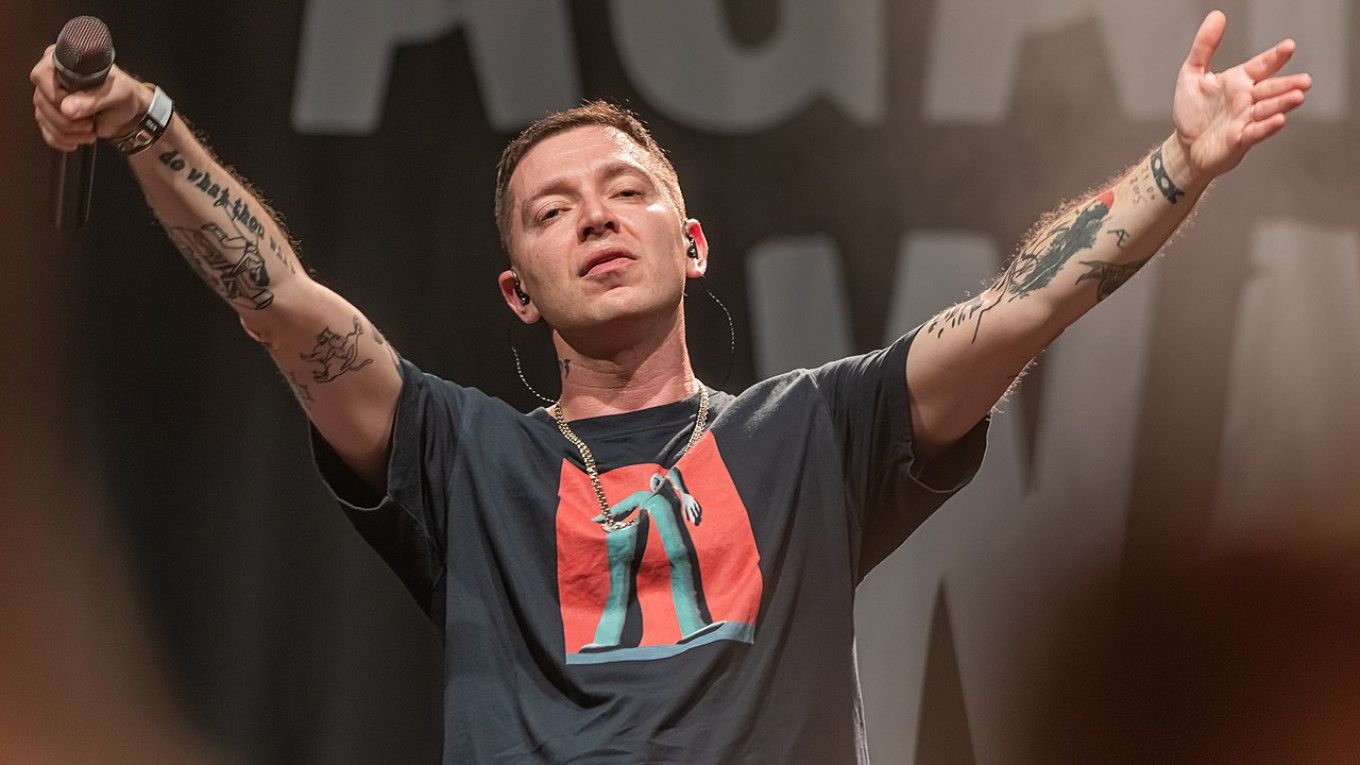
Oxxxymiron: The Titan of Russian Rap – Early Life

marydilip.info – Oxxxymiron, born Miron Fyodorov, is undeniably one of the most influential and well-known figures in the Russian rap scene. Known for his intricate wordplay, deep lyrical content, and commanding stage presence, he has shaped the sound of modern Russian hip-hop. From his battle rap roots to becoming a cultural icon, Oxxxymiron’s journey is one of brilliance, controversy, and unparalleled impact.

Early Life and Beginnings in Rap

Oxxxymiron was born in Leningrad (now St. Petersburg) in 1985, during a time when the Russian music scene was experiencing significant shifts. His early exposure to literature, combined with his love for hip-hop, laid the foundation for his future in rap. While studying linguistics at the prestigious Saint Petersburg State University, Oxxxymiron started to develop his unique style, which would later distinguish him in the rap community.

Initially, he dabbled in battle rap, which helped him hone his skills in quick thinking, wordplay, and clever rhymes. It was during these battles that Oxxxymiron earned his reputation for being a formidable competitor with a razor-sharp intellect.

Breaking Through: Vechniy Jid and Global Recognition

Oxxxymiron’s first full-length album, Vechniy Jid (translated as “The Eternal Jew”), was released in 2011, and it immediately captured the attention of the Russian rap scene. The album’s release marked a turning point in Russian hip-hop, as Oxxxymiron’s combination of intellectual lyrics, social commentary, and philosophical musings set him apart from his contemporaries. Vechniy Jid quickly became a classic, cementing his position as a top-tier rapper in Russia.

However, it wasn’t just the album that earned him widespread fame. Oxxxymiron’s career-defining moment came in 2017 when he participated in the highly anticipated rap battle against Dizaster, an American battle rapper, at the Battle of the Year event in Los Angeles. This battle, which was broadcasted globally, became an iconic moment in the history of battle rap, with Oxxxymiron’s wit, linguistic prowess, and strategic approach winning over fans from all around the world.

Master of Wordplay: The Intellectual Side of Oxxxymiron’s Lyrics

Oxxxymiron’s lyrics are often described as poetic and complex. He seamlessly combines references to Russian and world literature, philosophy, history, and politics, creating verses that demand a deep understanding of culture and language. His mastery of rhyme schemes, metaphors, and multi-syllabic wordplay has earned him widespread respect not only in the rap community but also among intellectuals and academics.

One of the core themes in Oxxxymiron’s music is social consciousness. He frequently tackles issues such as inequality, corruption, and the struggles of the modern Russian citizen. His ability to balance these deep topics with catchy rhythms and memorable lines has made him a rare artist who can both entertain and provoke thought.

Global Appeal: Oxxxymiron’s International Influence

While Oxxxymiron is undeniably a household name in Russia, his influence extends far beyond his home country. The 2017 rap battle against Dizaster played a major role in introducing his music to an international audience, and since then, Oxxxymiron has continued to expand his reach globally. His collaborations with artists from other countries and performances abroad have further solidified his status as a worldwide rap icon.

What makes Oxxxymiron unique is his ability to connect with people from various cultural backgrounds, largely due to the universal themes in his music. While he raps in Russian, the emotional depth and intellectual nature of his lyrics transcend language barriers, attracting listeners from diverse parts of the world.

The Battle Rap Legacy

Oxxxymiron’s legacy is heavily tied to his battle rap success. Known for his ability to deliver devastating disses with precision, Oxxxymiron’s battle rap style is a blend of linguistic mastery and psychological tactics. He doesn’t just rely on clever punchlines; he is also known for dissecting his opponents’ weaknesses and using their own flaws against them, making each battle feel like a mental chess match.

His victory over Dizaster was not just a testament to his skill as a rapper, but it also showcased his ability to elevate battle rap to an art form. Oxxxymiron’s influence on the battle rap community has been profound, inspiring a new generation of battle rappers in Russia and beyond to approach the craft with the same level of seriousness and creativity.

Social and Political Commentary

Another hallmark of Oxxxymiron’s music is his fearless approach to social and political issues. Throughout his career, Oxxxymiron has used his platform to address subjects such as corruption, the challenges of growing up in Russia, and the fight for personal freedom. His willingness to speak out on controversial topics has earned him both admiration and criticism.

Oxxxymiron’s 2018 track Gorod pod podoshvami (translated as “City under the soles”) exemplifies his commentary on societal issues, using his lyrics to call out the hypocrisies of modern Russia. His voice is one of dissent, and he has positioned himself as a critical voice in a nation where the political landscape can often suppress freedom of expression.

Oxxxymiron’s Impact on Russian Music and Beyond

Oxxxymiron’s influence on the Russian music scene cannot be overstated. As one of the pioneers of Russian rap, he has brought the genre into the mainstream, elevating it beyond the underground status it once held. His success has paved the way for other artists to follow suit, and today, Russian hip-hop is a thriving and respected genre in its own right.

His cultural impact has also extended beyond music, as Oxxxymiron has become a symbol of intellectual and artistic resistance. He has spoken out on numerous occasions about the need for creative freedom and artistic expression, challenging the norms and expectations of the music industry.

The Future of Oxxxymiron

With a career that spans over a decade, Oxxxymiron shows no signs of slowing down. His upcoming projects, including new music and potential collaborations, continue to generate significant anticipation. As an artist who consistently pushes boundaries and seeks to provoke thought, Oxxxymiron is poised to remain at the forefront of Russian rap and global hip-hop culture.

Conclusion

Oxxxymiron is a true legend in the world of rap. His intellectual depth, lyrical skill, and fearless approach to controversial topics have made him not just a rapper but a cultural icon. As he continues to evolve as an artist, Oxxxymiron’s influence will undoubtedly be felt for years to come, both in Russia and globally. His contributions to hip-hop are invaluable, and his legacy as one of the greatest figures in Russian rap history is firmly established.

360: A Trailblazer in Australian Hip-Hop – Early Life

marydilip.info – 360, born Matthew James Colwell on July 5, 1986, in Melbourne, Australia, is a celebrated rapper and songwriter whose work has helped define the Australian hip-hop scene. Known for his candid lyricism, emotional depth, and catchy hooks, 360 has become one of the most influential figures in the country’s hip-hop landscape. His music, which blends personal storytelling with relatable themes of love, struggle, and resilience, has won him a dedicated fanbase and critical acclaim both in Australia and abroad.

Early Life and Musical Beginnings

360 grew up in Melbourne, a city known for its rich music culture and diverse population. From a young age, he developed a love for hip-hop and was heavily influenced by the sounds of artists like Nas, Tupac Shakur, and Eminem. His early exposure to these legends helped shape his own musical style, blending introspective lyrics with hard-hitting beats.

Before venturing into music professionally, 360 was involved in the Australian battle rap scene, where he honed his skills and developed a reputation for his quick wit and sharp lyricism. His success in local rap battles and his ability to capture the attention of audiences eventually led him to pursue a career in hip-hop full time.

Breakthrough with What You See Is What You Get (2011)

360’s breakthrough moment came with the release of his debut studio album, What You See Is What You Get, in 2011. The album marked a turning point in his career, showcasing a blend of personal reflection, social commentary, and the kind of storytelling that would become a hallmark of his style.

Tracks like “Killer” and “Throw It Away” brought 360 widespread attention, demonstrating his ability to craft both emotionally charged and commercially viable music. The album’s success was significant not only because of its high sales but also because it helped establish 360 as one of the leading voices in Australian hip-hop. The album’s mix of raw emotion and catchy hooks resonated with fans, propelling 360 to the forefront of the Australian music scene.

Follow-up Success with Vintage Modern (2014)

After the success of What You See Is What You Get, 360 continued to build on his momentum with his second album, Vintage Modern, released in 2014. This album marked a more mature and polished sound, with 360 delving deeper into his personal life and struggles. Vintage Modern showcased his growth as both an artist and an individual, with songs that explored themes such as heartbreak, addiction, and self-reflection.

The album’s lead single, “Sixavelli,” became one of 360’s most popular tracks, highlighting his knack for blending catchy beats with honest lyricism. Vintage Modern also featured collaborations with prominent Australian artists, including Pez and Illy, further solidifying 360’s place in the Australian music scene.

The album’s success led to a sold-out national tour and further cemented 360’s reputation as one of the top-tier rappers in the country. Fans and critics alike praised his ability to balance vulnerability with strength, creating a body of work that was both relatable and sonically compelling.

Struggles with Mental Health and Personal Growth

One of the defining elements of 360’s music is his openness about his personal struggles, particularly his battles with mental health. Throughout his career, he has used his platform to raise awareness about issues such as depression, addiction, and self-doubt. His willingness to speak candidly about his own vulnerabilities has endeared him to fans who see their own struggles reflected in his music.

In particular, the track “Boys Like You” from his Vintage Modern album addresses themes of emotional turmoil and the difficulty of maintaining personal relationships. The song is a powerful example of how 360 uses his music as a form of therapy, providing listeners with a window into his own experiences while also offering solace to those who are facing similar challenges.

360’s openness about his mental health has also contributed to a broader conversation about mental health in the Australian music industry, encouraging other artists to be more open and vulnerable in their work.

Evolution with Utopia (2016)

360’s third album, Utopia, released in 2016, marked yet another evolution in his sound. The album features a more refined production style, incorporating a blend of electronic, trap, and hip-hop elements. Utopia saw 360 experimenting with different genres, while still maintaining his signature emotional depth and lyrical honesty.

The album’s lead single, “Price of Fame,” addressed the pressures of fame and the challenges that come with being in the public eye. Utopia received positive reviews from critics, who praised its introspective lyrics and innovative production. Despite the album’s success, 360 made a conscious decision to step away from the spotlight for a period of time, focusing on his personal growth and well-being.

The album also continued his exploration of mental health, with tracks like “Can I Be Me” delving into the struggle for self-acceptance and the need to find balance in an increasingly complex world. Utopia reinforced 360’s status as an artist who was not afraid to explore the complexities of life through his music.

Musical Style and Influence

360’s music is characterized by its introspective lyricism, catchy hooks, and seamless blend of genres. His sound is a fusion of traditional hip-hop, electronic, and pop elements, which has helped him stand out in the Australian rap scene. 360 is known for his ability to craft memorable melodies while maintaining the authenticity of his hip-hop roots.

Lyrically, 360 is often celebrated for his vulnerability and his willingness to tackle difficult topics such as mental health, addiction, relationships, and self-doubt. His music often explores the complexities of human emotion, offering listeners a glimpse into his personal struggles while providing a sense of hope and understanding.

360’s influence extends beyond the Australian hip-hop scene, as his music has resonated with audiences around the world. His ability to blend commercial appeal with deep, introspective themes has made him a standout figure in the global music industry.

Legacy and Future Outlook

As one of Australia’s most successful and respected hip-hop artists, 360’s legacy is defined by his ability to break through barriers and redefine what it means to be an artist in the Australian music scene. His honest, raw approach to songwriting has earned him a loyal fanbase and critical acclaim, while his influence can be seen in the careers of many contemporary Australian artists.

With his continued evolution as both a person and an artist, 360’s future in the music industry remains bright. His ability to balance personal growth with artistic expression has allowed him to remain relevant, even as he faces the challenges that come with fame and success.

Conclusion

360’s journey in the Australian hip-hop scene has been marked by both triumph and personal struggle, but through it all, he has remained true to his artistry and his fans. His ability to blend emotional depth with catchy beats, and his willingness to tackle difficult subjects, has made him one of the most influential rappers in the country. As he continues to evolve, 360’s legacy as a trailblazer in Australian hip-hop is assured, and his music will continue to resonate with audiences for years to come.